Secure Trenbolone Enanthate Online with Premium Shipping and Competitive Rates
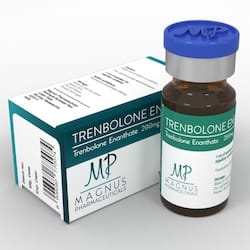
Secure Trenbolone Enanthate Online with Premium Shipping and Competitive Rates
Navigating Your Trenbolone Enanthate Cycle
To truly master a Trenbolone enanthate cycle, you have to respect how the long-acting ester works. Unlike the acetate version, this ester drifts into your system at a measured, steady pace. This slow release is a game-changer for keeping things stable.
Most seasoned lifters aim for consistent hormone levels to keep side effects at bay. By utilizing precise dosing and gradual increases, you can chase massive hypertrophy and strength gains without the chaos. It is all about finding that rhythmic balance in your blood chemistry.
Think of the acetate version as a sudden sprint that leaves you gasping for air. It uses a shorter carbon chain, hitting your system with intense speed. Because it leaves just as fast, you find yourself stuck with frequent injections to avoid total hormonal crashes.
The acetate approach is essentially a ”hit hard and exit fast” method. This can be incredibly draining on your physical and mental well-being. It creates a jagged hormonal profile that most people find difficult to manage over time.
Trenbolone Enanthate, on the other hand, plays the long game. Because the molecule carries a much larger structure, it enters your circulation through a slow, leisurely process. This prevents those massive spikes and dips in your hormones.
Avoiding those dramatic fluctuations is a massive win for your sanity. When your levels remain level, you significantly lower your chances of facing sudden acne outbreaks or wild mood swings. It makes the entire experience much more predictable.
The choice between these two often comes down to how much ”chaos” you can handle. While an acetate cycle might work for a quick, experimental burst, the enanthate version provides a much smoother journey. If you want steady muscle tissue growth, the stability of this ester is your best friend.
When you are shopping around for supplies, you’ll likely browse sites like poseidonrx.com to compare quality. You need to make sure the ester is fully dissolved and stable within the carrier oil. A low-quality oil can lead to crystallization, making every injection a painful, unpredictable mess.
Verifying Chemical Purity and Standards
When you get into the nitty-gritty technical details, you’ll run into the number 1629618-98-9. This is the official CAS number. Scientists use this specific code to identify a unique chemical structure, ensuring exactly what you have is what you think it is.
In the high-stakes world of advanced research, this number is your best tool for verification. If a supplier hands you a batch that doesn’t align with this specific molecular fingerprint, you are essentially playing a deadly game of chance. You cannot afford to guess with your health.
Pure Trenbolone enanthate is an incredibly powerful force. Any traces of leftover solvents or impurities can turn a great cycle into a total medical disaster. You want a substance that has been refined to the highest possible standard to keep your body safe.
The bottom line is that your results are tied directly to how pure your source is. If the chemical makeup is slightly off, your body will fight the contaminants instead of building muscle. Always demand documentation that proves the substance meets pharmaceutical-grade research standards.
Many veterans suggest you double-check the chemical specs to ensure the molecular structure matches your expectations. This isn’t about being paranoid; it’s about being smart. In this arena, ignorance is a very expensive mistake that can truly hurt you.
Optimization and Dosing Strategies
When people start talking about ”Tren,” they are talking about the heavyweight champion of the gym. It is so potent that you don’t need massive amounts to see life-changing results. For those chasing hypertrophy, starting with very small doses is the smartest way to test your tolerance.
Every person’s protocol will look different based on their history and their specific goals. Here is a general idea of how different experience levels might approach dosing for power and size:
- Novice/Testing: 150mg to 250mg per week.
- Experienced/Advanced: 300mg to 500mg per week.
- Note: Never push your dosage higher unless you have years of experience under your belt.
What this means for you is that more is definitely not always better. If you rush into massive doses, you’re essentially fast-tracking side effects like night sweats, hair thinning, or intense aggression. Staying consistent at a lower dose is far better than spiking your levels and crashing your health.
Mastering the Art of Titration
Titration is just a fancy term for ”starting small and moving up slowly.” You shouldn’t walk into a cycle with a heavy dose on day one. Instead, you should introduce the compound into your life in tiny, manageable increments.
This approach allows you to keep a close eye on how your biology reacts to the hormonal shift. I always advise my peers to treat Trenbolone like a wild predator. You wouldn’t walk up to a lion and try to pet it; you observe it from a safe distance first.
By scaling your dose gradually, you can catch early warning signs like high blood pressure or anxiety before they spin out of control. This allows you to stop or adjust before things become unmanageable.
If you start feeling incredibly on edge or your sleep begins to fail you, you’ve probably hit your limit. Successful titration helps you find that perfect ”sweet spot” where muscle gains thrive but your mental health stays intact. It is a delicate dance between biology and discipline.
| Objective | Strategy | Risk Factor |
| Hypertrophy (Size) | Consistent, low-dose steps | Moderate |
| Strength (Power) | Measured, moderate dosing | High |
Finding Top-Tier Chemical Raw Materials
When it comes to safety and getting the results you expect, you must hunt down Trenbolone Enanthate from API producers that hold GMP certifications. Look for documentation that hits the benchmarks set by the EP or USP. You are looking for substances that boast a purity of ≥99% according to verified lab data. Avoid the shady characters who skip batch testing; they usually peddle stuff filled with wrong concentrations or nasty junk.
Searching for raw powders can feel like trying to find a needle in a haystacks. You really need to keep a sharp eye out for specific indicators like the European Pharmacopoeia (EP) or the United States Pharmacopeia (USP). These aren’t just fancy names; they are the international rulebooks that guarantee a substance is manufactured and checked to hit specific purity marks.
If a seller refuses to show their papers, get out of there immediately. I have watched countless people throw their hard-earned cash down the drain on ”mystery powders” that were actually just chalk or salt. In this game, you want a compound that is as steady and reliable as the sun coming up. Do not take shortcuts when you are building the very base of your research.
What this means for you is that you have to step up and act as your own quality inspector. Taking a vendor’s word for anything is a recipe for disaster; you need to see the actual proof in writing. Real pros don’t just hit ”buy”; they perform audits, double-check everything, and cross-reference every tiny detail before they commit a single gram to their inventory.
The Benchmark: API and GMP Manufacturing Standards
The gap between a professional factory and a ”garage lab” is like night and day. You should only ever deal with manufacturers that are GMP-certified and produce APIs. API stands for Active Pharmaceutical Ingredient, which is the actual chemical engine that drives the intended biological effect. GMP, or Good Manufacturing Practice, refers to the rigorous system used to ensure products are controlled and manufactured with total consistency.
Dodging the regulations by using unverified sources is a massive gamble. These vendors often work in the dark, meaning they ignore strict protocols regarding chemical stability or basic hygiene. They might entice you with a cheap price, but you are essentially paying for the chance to guess what is actually inside the container. It is a bad deal that frequently leads to serious biological complications.
A legit manufacturer will hand over a Certificate of Analysis (COA) for every single batch they produce. Think of that document as your personal shield. It breaks down exactly what is in your shipment, confirming the Trenbolone Enanthate matches what is written on the label. If a supplier starts acting cagey about providing this, consider that a massive red flag.
I often tell my colleagues that paying a bit more to a reputable vendor is much cheaper than the price you pay for a contaminated batch. You aren’t just buying some powder; you are purchasing peace of mind and a predictable way the body will react. The bottom line is that when you are working with such a powerful compound, quality is never something you should negotiate.
Confirming Purity and Evaluating Bulk Supplies
If you are looking into bulk buying, you are probably trying to keep your research consistent over a long haul. While purchasing larger amounts can save you some money, it also puts more pressure on your quality control. Don’t just go for the biggest bag on the shelf; go for the one that offers the most transparency. You need to see that ≥99% purity level clearly written in a report from a third party.
Checking these reports is where most people trip up. You want to see that an independent lab—not the company itself—performed the testing. Specifically, you need to check for microbial contaminants, residual solvents, or heavy metals. If any of these substances exceed safe levels, the whole batch is a total no-go for any serious work.
The following chart shows how different procurement levels might look for high-grade materials. These figures are just estimates to help you get a feel for how the market is currently moving.
| Procurement Level | Amount | Purity | Approx. Price | Intended Use |
|---|---|---|---|
| Sample Pack | 10g | ≥99% | $150 | Initial Verification |
| Standard Bulk | 100g | ≥99% | $850 | Long-term Research |
| Industrial Bulk | 500g | ≥99% | $3,200 | Large Scale Labs |
| Micro-Dose Kit | 2.5mg | High | $45 | Specific Testing |
Many experts suggest you always double-check the chemical specifications to make sure the CAS number and molecular structure are exactly what you need. This prevents you from accidentally using a different ester or a different isomer, which would totally change how that substance behaves once it enters a biological system.
If you see a vendor offering big discounts on bulk orders, always ask if they are cutting costs on their testing frequency. Sometimes, a shop will be very thorough with small batches but they get lazy with the deep testing on a 50kg shipment. Never assume that buying in bulk automatically means the quality stays high. Always demand a fresh COA for every single order you make.
Budgetary Planning and Acquisition Methods
The price tag on Trenbolone Enanthate shifts dramatically depending on the specific format you choose. If you grab those tiny 2.5 mg TRC vials meant for high-level analytical verification, expect to shell out at least $45 per unit. It is a steep price for such a minuscule amount of material.
However, the game changes when you start buying raw powder in massive quantities. Moving toward bulk purchasing can slash your long-term research expenses by more than 70% compared to buying pre-mixed solutions. It is the classic trade-off between convenience and pure economic efficiency.
Think of it as the difference between buying a single, pre-measured packet of flour at the local shop versus hauling a 50-pound sack from a wholesaler. Both serve the same purpose, but the economics are worlds apart. You have to decide which path fits your setup.
The Real Difference Between Vials and Raw Powder
When you are first mapping out your research protocols, the ease of small vials can be incredibly tempting. These 2.5 mg TRC (Toronto Research Chemicals) units are highly specialized tools. They aren’t meant for casual use; they are designed to meet strict laboratory standards for high-precision testing.
Because these units are manufactured in tiny, ultra-pure batches, the price per milligram stays sky-high. You are essentially paying a premium for that extreme level of purity and the convenience of a ready-to-use format. It is a luxury option for specific, exacting needs.
Once you graduate to bulk powder, the math starts working in your favor. You aren’t paying for a sterile vial or a pre-made solution. You are getting the raw Active Pharmaceutical Ingredient (API) in its purest, most concentrated state. This is where the real savings hide.
The bottom line is that scaling up makes the cost per milligram plummet. Of course, this isn’t ”free” money. You will need to invest in proper equipment like precise scales and various solvents to prepare your own solutions. You have to weigh the extra manual labor against those massive budget savings.
Check out this comparison to see how the pricing shifts as you move from micro-doses to large-scale procurement:
| Product Format | Typical Volume | Estimated Cost | Primary Application |
| TRC Vials | $45 – $60 | Analytical Verification | |
| Standard API | $150 – $850 | Small Scale Research | |
| Bulk Powder | $3,200+ | Industrial/Large Labs |
Calculating Your Full Project Expenses
Don’t just look at the sticker price on a single bottle when you are planning your budget. You have to look at the long game. If your research requires a 50 mg weekly dose, your budget must account for that ongoing outflow over the entire duration of the cycle.
What this means for you is that a ”bargain” can quickly turn into a money pit if the potency is inconsistent. If a batch is under-dosed, you’ll end up using more product to reach your targets. This unexpected consumption can blow your budget wide open very quickly.
I always tell people to include a 10-15% buffer in their math. You need to account for spilled material, waste, or slight variations in potency. It is better to have extra funds than to run dry right when you are halfway through your research.
I have seen many researchers get blindsided because they forgot the ”hidden” costs. You need to budget for solvents, syringes, and even specialized storage. A professional-grade budget accounts for everything, from the initial raw powder to the very last piece of lab equipment used.
Dealing with International Logistics and Customs
Shipping injectable oils across international lines is a high-stakes game. Many countries view these substances with an incredibly suspicious eye, and customs agents are trained to sniff them out. You are navigating a complex web of trade laws and biological regulations.
The biggest mistake I see is relying too heavily on a vendor’s promise of ”discreet” shipping. Stealth is never a guarantee. If a package gets flagged and seized, your money and your shipment vanish in an instant. It is a gamble that requires you to be very well-versed in local laws.
To avoid these headaches, many seasoned pros stick with specialized logistics providers. These experts understand the specific nuances of shipping chemical research materials. Sometimes, it is much smarter to pay a little more for a vendor who knows how to handle the paperwork correctly.
Choosing Between Boutique Labs and Middlemen
In this market, you will generally encounter two types of suppliers: specialized labs and general distributors. The specialized labs focus heavily on high-purity API and usually provide the granular documentation you need. They are the ”boutique” option—more expensive, but the quality is much more reliable.
General distributors act more like middlemen. They buy huge quantities and then flip them to smaller clients. While their bulk pricing can look very attractive, you are introducing an extra layer of logistics where errors can occur. You might save a few bucks, but you increase your risk of receiving an impure product.
I always suggest performing a careful cost-benefit analysis before signing off on a supplier. Is a 20% discount from a middleman worth the risk of an unverified product? Personally, I think the peace of mind you get from a direct, specialized lab is worth every extra cent you spend.
How to Handle Your Injections and Timing
To get the most out of your trenbolone enanthate, you have to respect its long-lasting nature. Because this compound hangs around for a while, you should aim for shots at least once every seven days. The goal here is to keep your blood serum levels—the amount of the substance moving through your veins—from bouncing all over the place.
I have always found that breaking your total amount into smaller, more frequent doses works wonders for stability. You should also lean toward using an oil-based carrier rather than trying to work with dry powder. It’s much kinder to your body and significantly lowers the chance of experiencing any unpleasant swelling or redness.
Understanding the Enanthate Chain
That ”enanthate” label isn’t just a fancy name; it refers to a specific ester chain glued to the molecule. Think of this ester as a slow-release timer. Your body has to perform a bit of biological surgery to clip that ester off before the steroid actually starts working. This delay is exactly why you won’t see massive changes the second the needle hits the muscle.
Since this particular ester stays in your system for a good chunk of time, throwing a huge dose at your body once a month is a recipe for disaster. You’ll end up riding a biological roller coaster, swinging from massive hormonal spikes to deep crashes. This volatility is exactly what triggers those intense mood swings and physical instability we all want to avoid.
What this means for you is that you should aim for a steady, rhythmic flow instead of a sudden deluge. Most experienced users stick to a consistent weekly routine to keep things calm. By spreading out the weight of the dose, you bypass those jagged hormonal peaks and valleys that often lead to ”tren rage” or sudden bursts of anxiety.
The bottom line is that being disciplined will save you a lot of grief. If you happen to miss a scheduled session, don’t try to play catch-up by doubling up on your next shot. That’s just asking for trouble. Simply return to your normal pattern and let the long-lasting ester do its job of leveling you back out.
Staying Stable and Maintaining Levels
If you want predictable results, you have to keep your chemistry steady. When your serum levels are constantly jumping up and down, you are essentially fighting a war against your own internal environment. Stability is the secret sauce; it ensures the compound works for you rather than against you through unpredictable side effects.
I’ve seen plenty of guys try to ”be smart” by stretching their injections to ten days just to save a few bucks. Honestly, don’t do that. Even though the enanthate ester is long-lived, it isn’t permanent. You want to stay in that narrow ”sweet spot” where the concentration in your blood remains constant and effective.
For most people, a single injection every week is the standard. However, some prefer to split the load into two smaller sessions—perhaps every Monday and Thursday. This ”micro-dosing” strategy is the gold standard for keeping your levels as flat as a pancake, which helps keep your mental state much more stable.
Consistency is always going to beat intensity in this game. You aren’t running a quick sprint here; you are pacing yourself for a marathon. If you treat your injection schedule like a non-negotiable appointment, your body will respond with much more reliable and smooth progress.
Choosing Between Oils and Raw Powder
When you’re sourcing your gear, you’re going to face a fork in the road: pre-made oil-based vials or raw dry powder that requires manual mixing. Both paths come with their own set of hurdles. Pre-mixed oils are a massive time-saver and very convenient, but you are essentially trusting that the lab’s quality control is up to snuff.
If you go the raw powder route—the actual active pharmaceutical ingredient (API)—you can often get much better purity for a lower price. The catch is that you have to act like a chemist in your own home. You’ll need to get comfortable using solvents like grapeseed oil or benzyl alcohol to create a stable, injectable solution.
| Method | Ease of Use | Risk Factor | Cost Efficiency |
| Oil-Based | High | Low (Pre-mixed) | Lower |
| Dry Powder | Low | High (Manual Prep) | Very High |
If you decide to go the powder route, you cannot afford to be sloppy. A tiny math error or a small bit of contamination during your mixing process can turn a great cycle into a massive medical headache. If you aren’t totally confident with sterile techniques and milligram scales, sticking to pre-made oils is the much safer bet.
Avoiding Irritation at the Site
Let’s be real: trenbolone can be a very ”spicy” compound for your muscles. It is notorious for causing localized redness, irritation, or even small, hard lumps right where you injected. This usually happens because the oil is too thick or the solution’s pH isn’t quite right, causing your tissue to push back.
To keep your skin and muscle tissue healthy, never reuse a needle, even if it looks perfectly clean. Reusing a needle drags microscopic bacteria and debris into your muscle, which is a one-way ticket to a painful abscess. Those infected pockets of fluid are no joke and often require a doctor to drain them.
I always suggest a little ”pre-game” for your skin. Give the area a gentle massage to boost circulation before you inject, and then massage the spot for a few seconds once the needle is out. This helps the oil disperse through the muscle instead of sitting in one angry, concentrated clump.
- Use a 27g or 25g needle for the actual injection to keep trauma to a minimum.
- Make sure your oil is at room temperature; cold liquids are much harder to push and cause more irritation.
- Switch up your injection spots every time to stop scar tissue from building up.
Evaluating the Different Trenbolone Options
Deciding between the acetate and enanthate versions depends entirely on how long you plan to run your protocol and the kind of stability you crave. Think of it as a choice between immediate impact and long-term consistency.
The acetate version functions as a fast-acting option, perfect for when you need to make rapid adjustments. Conversely, enanthate acts as a slow-release mechanism, providing a steady flow into your system for several days at a time.
The way you choose your ester will ultimately dictate how easily you navigate potential side effects. It also determines how effectively you can fine-tune your physique as the cycle progresses.
Acetate vs. Enanthate: Matching the Ester to Your Schedule
Imagine the ester length is like the fuse on a firework. The acetate is a very short fuse; it ignites your system almost instantly and burns out just as quickly. This makes it an incredible tool if you need to abort a cycle suddenly or if the side effects become too heavy to endure.
Enanthate, on the other hand, behaves more like a slow-burning candle. Because this ester is heavier, it takes much longer to enter your bloodstream. Since it lingers in your body, you won’t experience the wild hormonal ”rollercoaster” that often accompanies the shorter versions. It is the marathon runner here.
If you are just starting out and testing the waters, acetate might feel less overwhelming because you can ”shut it off” quite easily. However, for the veteran looking for a constant, unwavering anabolic state, enanthate is your best friend. It offers a smooth ride with consistent levels.
Ultimately, the choice boils down to your tolerance for volatility. While high-intensity training sometimes demands high-intensity chemistry, a steady hand often works better. If you want to avoid jagged peaks in your strength or mood, opt for the longer ester.
The Role of Ester Length in Nitrogen Retention and Fluid Management
Trenbolone is legendary for driving nitrogen retention, which is your body’s ability to stay in a muscle-building state. When these levels remain high, your body stays locked in ”growth mode.” The longer ester helps maintain this state without the massive spikes that trigger systemic stress.
Then there is the famous ”dryness” factor. Most athletes use trenbolone to achieve a hard, grainy look. While trenbolone is naturally ”dry” compared to other substances, the ester still matters. Short esters can cause rapid fluctuations in how your body handles subcutaneous fluid.
Enanthate tends to offer a more gradual transition. You won’t wake up with sudden bloating, but you also won’t see an overnight transformation. It is a slow, steady buildup of lean tissue. This stability is vital for keeping your look tight rather than puffy or water-logged.
What this means for you is that your physical progress will appear more controlled and natural. If you try to rush the process with short esters, you might mistake fluid shifts for actual muscle growth. Patience with enanthate leads to a more permanent-looking physique.
Selecting a Version for Cutting Phases versus Lean Bulking
If you are in a cutting phase—shredding fat while protecting every gram of muscle—you want a substance that won’t make you look soft. Many athletes reach for acetate during a cut because its rapid clearance allows for an ”emergency exit” if aggression or night sweats become too much.
When you are focusing on a lean bulk, enanthate usually takes the crown. You want those elevated, steady levels to support heavy lifting and constant protein synthesis. It provides the stable anabolic environment needed to pack on dense muscle mass without needing constant, frequent injections.
I have seen guys try to bulk with acetate, but the logistical nightmare of frequent injections to keep levels stable is exhausting. It is like trying to keep a fire going by throwing tiny twigs on it every ten minutes. It works, but it is a headache.
Enanthate lets you put your focus back on your diet and training rather than your syringe. It provides a solid foundation for growth. If you want to add size without the bloat, enanthate is the tool you want in your kit.
How TRC-Specific Formulations Differ from Standard Veterinary Grades
You have to be incredibly careful when you are sourcing. You will frequently encounter ”veterinary grade” products designed for livestock like horses or cattle. These are often made in huge batches with much lower standards for sterility and purity.
They are designed for a 1,500-pound animal, not a 200-pound human. On the other side of the spectrum, you have specialized research chemicals. For example, Trenbolone Enanthate-d13, TRC is a high-purity research compound manufactured under much more rigorous laboratory conditions.
These are typically sold in much smaller, precise milligram dosages for scientific study. The difference in quality can be the line between a clean cycle and a trip to the hospital. Veterinary oils can be ”dirty,” containing impurities or thickeners that cause systemic inflammation or abscesses.
Research-grade materials are generally much cleaner and behave more predictably. The bottom line is that your safety depends on your source. While veterinary products might save you money upfront, the risk of contamination is a massive gamble. High-purity, research-grade material offers peace of mind that is worth the cost.
Safeguarding Your Physical Health
Navigating a cycle with trenbolone enanthate requires a proactive strategy to protect your metabolic rate, heart health, and endocrine system. You can’t just go all-in without a plan for managing internal efficiency and cardiovascular wellness.
It is essential to optimize how your body uses nutrients to capitalize on increased nitrogen retention. You should also prioritize lipid profiles and execute a disciplined post-cycle therapy. This ensures your natural hormones bounce back and your hard-earned muscle stays put.
Fueling the High-Performance Engine
Trenbolone is legendary for its ability to boost feed conversion efficiency. This means your body becomes a master at turning every calorie into lean muscle instead of storing it as fat. It is a massive advantage, but it comes with a catch.
Think of your metabolism as a high-revving racing engine. When you’re running this potent of a compound, your body’s demand for amino acids goes through the roof. You can’t just eat more junk; you have to eat with precision and purpose.
I’ve watched many lifters try to coast on a basic diet while using enanthate, only to end up looking flat and feeling totally drained. You need to treat your meal prep like a laboratory experiment. Focus on highly bioavailable proteins and complex carbs to keep insulin sensitivity stable.
What this means for you is that your kitchen becomes the most important part of your training split. If you aren’t tracking your macros with total accuracy, you are essentially gambling with your physique. Your nutrition is the foundation that keeps the entire structure from crumbling.
Protecting Your Heart and Bloodwork
One of the biggest ”silent” threats during intense cycles is the shift in your lipid profile. Specifically, we are looking at the ratio between your HDL (the good stuff) and LDL (the bad). Trenbolone can aggressively crush your HDL levels.
Think of HDL as your body’s internal cleaning crew for your arteries. You don’t want to build a massive physique at the expense of your cardiovascular integrity. Staying ahead of these changes is far better than trying to fix a problem once it starts.
I always tell my friends that you can’t ignore the internal plumbing just because the exterior looks incredible. You might look like a powerhouse in the mirror, but if your blood is thick and your cholesterol is a mess, you’re playing with fire. Adding lecithin or red yeast rice can provide a much-needed safety net.
The bottom line is that long-term health is the ultimate goal. You want to still be healthy and vibrant when you’re 40, not just during your next training block. Don’t let the chase for aesthetics throw your long-term vitality under the bus.
Tracking Your Internal Chemistry
You shouldn’t be flying blind when using a tool this heavy-duty. You need to know exactly what is happening under the hood, which means regular blood work is mandatory. You need to track your free and total testosterone, along with your estradiol (E2).
Estradiol plays a massive role in how you feel. If your E2 levels skyrocket, you might face water retention or even gynecomastia. If they drop too low, your mood and libido will take a massive hit. You’re looking for that ”Goldilocks zone” where everything is perfectly balanced.
I suggest getting blood work twice: once when you are halfway through your cycle and again after your PCT is complete. This gives you a clear window into how your body is handling the exogenous hormones and how well your natural systems are recovering.
Don’t forget to keep an eye on your kidney and liver markers as well. Even though enanthate is more forgiving than oral variants, the sheer systemic stress is significant. If your AST or ALT levels start creeping up, take it as a serious warning sign to adjust your protocol.
Maintaining Gains Post-Cycle
The true measure of a successful cycle isn’t how much weight you add while on the gear; it’s how much you retain once the cycle ends. This is where Post-Cycle Therapy (PCT) becomes your best friend. It’s designed to restart your body’s natural testosterone production.
If you decide to skip PCT, you are essentially throwing your hard work in the trash. Your natural production could be suppressed for a long time, leading to fatigue, depression, and muscle loss. It’s like building a massive skyscraper on a foundation of quicksand.
Many lifters use SERMs to help nudge the body back into hormone production, or sometimes HCG to ensure the testes ”wake up” properly. It is a delicate balancing act that requires a structured approach to ensure your endocrine system recovers its natural rhythm.
The ultimate goal is a smooth transition back to your baseline without a massive hormonal crash. Do not rush this phase. Your body needs time to recalibrate its chemistry so you can keep your gains and stay healthy for the long haul.
| Support Category | Primary Objective | Estimated Cost (Supplements) |
| Lipid Management | Boost HDL / Reduce LDL | $40 – $70 |
| Hormonal Support | Stabilize E2 / Support PCT | $100 – $250 |
| Organ Protection | Shield Liver & Kidneys | $30 – $60 |
Trackbacks & Pingbacks
[…] Buy Trenbolone Enanthate […]
[…] Trenbolone Enanthate […]
[…] Trenbolone Enanthate Online […]
[…] Order Trenbolone Enanthate […]
[…] Trenbolone Enanthate For Sale […]
[…] Trenbolone Enanthate For Sale […]
[…] Order Trenbolone Enanthate […]
[…] Trenbolone Enanthate For Sale […]
Kommentering är stängd.