Order Arimidex Online: Get Top Quality and Quick Delivery Today
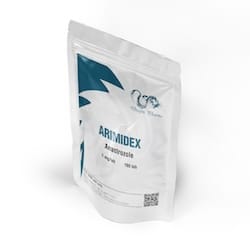
Order Arimidex Online: Get Top Quality and Quick Delivery Today
How to Use Arimidex and What to Expect
The standard approach for most involves swallowing a single 1 mg tablet once every 24 hours. This medication functions by interrupting the aromatase enzyme’s activity. This specific process prevents your system from transforming androgens into estrogen, which effectively deprives hormone receptor-positive breast cancer cells of the essential fuel they need to spread or grow.
The Biological Process
Imagine estrogen as the high-octane gasoline that powers certain breast cancer cells. For women who have gone through menopause, most estrogen isn’t produced by the ovaries anymore; instead, it comes from the body converting other hormones. This is exactly where Arimidex steps in to act as a biological roadblock.
Arimidex belongs to a specific group of medications known as aromatase inhibitors. These drugs target the aromatase enzyme, which is the particular protein responsible for the final stage of estrogen production. By latching onto this enzyme, the medicine essentially shuts down the entire assembly line.
By blocking this enzyme, you can drastically reduce the concentration of estrogen moving through your bloodstream. For anyone battling hormone receptor-positive cancer, this is a true game-changer. It essentially starves those cancer cells, making it significantly more difficult for them to migrate or multiply.
The primary objective is to maintain those estrogen levels at the lowest possible point. When you cut off the fuel source, the survival chances for cancer cells are put at significant risk. Think of it as a strategic, chemical siege designed to protect your long-term recovery and health.
Setting Your Daily Routine
Consistency is your greatest ally when navigating hormone therapy. Since Arimidex works by maintaining a steady level of enzyme inhibition, taking your pill at the same time every day is vital. If you skip a dose, you might create unpredictable ”peaks and valleys” in your estrogen levels.
I often suggest my peers set a digital alarm or tie the pill to a daily habit, like brushing your teeth. This kind of ritualistic approach ensures you don’t miss a beat. You want that enzyme inhibition to remain constant, much like a steady stream of water preventing a fire from spreading.
If you are shopping around for suppliers or comparing costs, you will likely see various prices online. For example, some patients might find costs around $25 or $50 for a small supply, though prices vary wildly. Always make sure you are sourcing from a legitimate pharmacy to guarantee quality and safety.
If you ever forget a dose, please do not double up the next day to catch up. That is a frequent mistake that often leads to unnecessary side effects. Just return to your regular schedule with your next dose and keep moving forward. Your body craves stability rather than sudden spikes.
Handling Side Effects
Let’s be honest: the road can sometimes feel a bit bumpy. Many people report dealing with joint pain, which doctors often call arthralgia. This happens because estrogen plays a massive role in keeping your joints healthy and lubricated. When levels drop, your knees or knuckles might feel stiff or achy.
Fatigue is another frequent visitor to the party. You might feel like your internal battery is draining much faster than it used to. It isn’t just being ”tired”; it is a heavy, systemic exhaustion that makes daily tasks feel like climbing a mountain. Listen to your body when it asks for rest.
To manage these shifts, try to stay active and keep moving. Simple activities like walking or gentle yoga can do wonders for managing joint stiffness. For more detailed information on managing these symptoms, you can check this resource on Arimidex to see how others navigate these shifts.
What this means for you is that you shouldn’t have to suffer in silence. If that fatigue or joint pain starts to interfere with your quality of life, reach out to your doctor. There are often ways to adjust your lifestyle or your supplemental approach to make the journey much smoother.
| Side Effect | Common Sensation |
| Joint Pain | Stiffness or aching in your fingers, hands, or knees. |
| Fatigue | A persistent feeling of exhaustion or low energy. |
| Hot Flashes | Sudden sensations of sweating and intense warmth. |
Remember, the main goal is to keep that cancer at bay. While these side effects can be a nuisance, they are often a sign that the medication is doing its job. Keep a journal of how you feel so you can provide clear, actionable feedback to your medical team.
Understanding the Financial Side of Your Prescription
Depending on where you shop and how your insurance interacts with your provider, you can expect to pay between $15 and $60 monthly for Arimidex. It is important to realize that the original brand-name version comes with a much steeper price tag than generic anastrozole.
The two are chemically identical, so you aren’t sacrificing quality by choosing the cheaper option. If you want to stretch your dollars, grabbing a larger supply at once is a much sharper strategy for maintaining your hormone levels over several years.
Choosing Between Brand and Generic Labels
When you walk through the aisles of a pharmacy, you will encounter two different names on the shelf. The Arimidex label represents the original product created by the manufacturer. While it is the gold standard, that prestige often translates into a high cost that can really drain your bank account over time.
Then there is the generic alternative, which is simply the same active ingredient under a different brand. Generic anastrozole works by inhibiting the aromatase enzyme just like the brand name does. However, the price is usually just a tiny fraction of what you would pay for the name brand.
I suggest you dive into your insurance benefits first to see which version your plan covers best. Sometimes, insurance companies will push you toward the generic version to keep your out-of-pocket costs low. Navigating these fine print details is essential for staying afloat financially while managing your health.
What this means for you is that a little bit of homework now can save you thousands of dollars later. Always have a chat with your physician about whether switching to a generic is a viable path for your specific needs. Most doctors won’t bat an eye at a generic because the effectiveness is a mirror image of the original.
Maximizing Your Savings Through Bulk Purchases
Think about it like buying groceries; if you buy a single bag of rice, it’s more expensive per ounce than the massive bag. A 30-day supply might feel convenient, but the cost for every individual milligram is usually higher. If you jump up to a 90-day supply, the price per pill typically drops a lot.
The math is actually quite simple once you see the patterns. You might pay $1.50 for a single pill at a small pharmacy, but a larger bottle might slash that down to $0.60 per pill. If you are looking at a five-year treatment window, that extra cash could easily pay for a nice trip or help cover other medical bills.
The bottom line is to focus on the total cost of your entire prescription rather than just what you pay this month. If your insurance gives you the green light for a 90-day mail-order delivery, jump on it. It is often the most efficient way to handle the financial side of your medical journey.
Here is a quick look at how different purchasing structures can impact your wallet:
| Purchase Method | Standard Quantity | Estimated Total Price |
|---|---|---|
| Retail Pharmacy (Brand) | 30 Tablets | $55 – $85 |
| Retail Pharmacy (Generic) | 30 Tablets | $15 – $30 |
| Mail-Order (Generic) | 90 Tablets | $35 – $65 |
| Direct Online (Generic) | 90 Tablets | $40 – $75 |
Comparing Local vs. Digital Pharmacies
You might experience a bit of sticker shock when looking at the price tag at your neighborhood pharmacy. Local retail prices tend to be higher because you are paying for the luxury of immediate access and the ability to speak with a pharmacist face-to-face.
You can often find much lower prices through online pharmacies, particularly if you are paying for the medication yourself. However, you have to keep your guard up. Not every site on the internet is trustworthy, so you must stick to licensed, reputable services to ensure your medication is legitimate and not a counterfeit.
If you decide to shop online, always hunt for a ”verified” seal or a clear way to get customer support. A legitimate medical resource will make it easy to understand what you are getting from your provider. It’s better to be safe than sorry when it comes to your health.
Staying on top of a long-term budget requires a bit of foresight. Hormone therapy isn’t a quick sprint; it’s more like a marathon that can stretch out over years. Creating a small monthly ”medical fund” can take the pressure off when those larger, quarterly refills finally arrive.
How to Secure Arimidex Safely Online
When you are shopping for Arimidex, your primary goal should be finding a licensed pharmacy that requires a valid prescription from your doctor. You should steer clear of any website claiming they can sell to you without medical oversight. These ”no prescription” deals are often just traps selling contaminated or fake pills.
Always do your homework by checking regulatory databases to confirm a provider’s legitimacy. You want to ensure your medication arrives in perfect condition and without drawing unwanted attention. Look for vendors that prioritize secure, discreet shipping protocols to protect both your health and your personal privacy.
Think of the online pharmacy market like a busy street fair. You want to find the honest vendor with a solid reputation, not the one shouting the loudest with empty promises. A real pharmacy will always insist that you consult a medical professional before they process your order.
If a website makes it effortless to bypass a doctor’s visit, that is your cue to walk away. You need a partner in your healthcare journey, not a ghost that disappears when things go wrong. A legitimate business will always be transparent about its medical requirements and professional status.
Seek out signs of genuine accountability, like a physical street address and a working phone number. You should be able to speak with a licensed pharmacist if you have questions. If the only way to get help is a generic web form, consider it a massive warning sign.
Look for accreditation seals or ”Verified Pharmacy” badges to gain some peace of mind. However, remember that even a polished website can be a total facade. Trust your intuition if a deal feels too good to be true; in the pharmaceutical world, it usually is.
The bottom line is that your physical safety depends entirely on where you buy your pills. An illegitimate vendor might hand you a tablet that looks like Arimidex but is nothing more than useless chalk or dangerous filler. Vet the person behind the screen before you ever hand over your credit card.
The Hidden Risks of Unregulated Sales
The temptation to chase the absolute lowest price is incredibly strong when medical costs start to climb. However, buying medication without a prescription is essentially a high-stakes gamble with your life. You end up skipping the essential screening that ensures an aromatase inhibitor—a drug designed to lower estrogen—is actually safe for you.
Every person’s body chemistry is unique, and what works for one might be dangerous for another. Without a doctor’s guidance, you are flying blind. What starts as a way to save money often ends up being a very expensive mistake for your long-term health.
Counterfeit drugs are a massive, pervasive problem in the underground market. These ”street” versions often lack any active ingredients at all or contain completely incorrect dosages. You might think you are managing your hormone levels, but in reality, you are receiving zero therapeutic benefit while your condition progresses.
There is also the very real danger of contamination in these unregulated products. Facilities that ignore strict manufacturing standards often produce pills laced with bacteria or heavy metals. You might save $40 on the purchase, but you could end up spending thousands on emergency room visits to fix the damage.
What this means for you is that ”savings” are almost always an illusion. True value is found in the certainty that your medication performs exactly as your doctor intended. Never trade your pharmaceutical integrity for a quick, unverified discount on a shady website.
Shipping, Privacy, and Customs
Once you have selected a provider, consider how that package will actually land on your doorstep. Reliable shipping isn’t just about how fast the box moves; it is about the physical state of the contents. You want sturdy, climate-controlled packaging so your tablets don’t crumble into dust during transit.
Privacy is a major concern for many of us. You probably don’t want a neighbor or a roommate seeing a bottle labeled with a specific medical condition. Reputable pharmacies use discreet shipping protocols so the outer box looks like a generic, boring parcel, keeping your medical history private.
If your order is coming from an international source, you need to be ready for customs logistics. Every country plays by different rules regarding the importation of prescription medications. Some packages might get seized by officials, while others might be held at the border waiting for paperwork you don’t possess.
I suggest you check your local laws before you hit that ”order” button. While some people have success with international shipping, it can be a major logistical headache. To understand the medical context of these medications, you can review this health resource regarding how these drugs function in the body.
Keep in mind that international shipping can take weeks rather than days. If you are running low, you cannot afford to have your supply stuck in a customs warehouse. Always maintain a buffer of extra medication to account for these inevitable shipping hiccups.
- Red Flag: Websites that claim ”No Prescription Required” for Arimidex.
- Red Flag: Vendors that only accept untraceable payments like Gift Cards or Western Union.
- Red Flag: Prices that are suspiciously low—more than 50% below the market average.
- Red Flag: Sites featuring broken links, terrible grammar, or missing contact details.
How Arimidex Stands Against Other Aromatase Inhibitors
Think of Arimidex, or anastrozole, as a specialized blockade. It works by halting the aromatase enzyme, which in turn prevents the body of postmenopausal women from producing high levels of estrogen. It is a heavy lifter for treating certain types of hormone receptor-positive breast cancer, yet it isn’t identical to its cousins, letrozole or exemestane.
The main differences lie in how tightly they grab onto their targets and how they manage the side effects you might experience. Some might be more aggressive at dropping your hormone counts, while others might be kinder to your joints. Understanding these nuances is key to your treatment journey.
Potency and Molecular Structure
When we assess how well these drugs work, we are really asking how effectively they starve cancer cells of their primary fuel source. Arimidex belongs to the ”non-steroidal” family. It doesn’t permanently latch onto an enzyme; it simply occupies the space, temporarily preventing androgens from turning into estrogen.
Letrozole is often seen as the powerhouse in the room. Like Arimidex, it is non-steroidal, but it packs a punch that typically results in even lower circulating estrogen levels in your bloodstream. If your medical team is aiming for the absolute minimum hormone levels possible, letrozole is often the tool they reach for.
Exemestane plays by a different set of rules entirely. Because it is a ”steroidal” inhibitor, it creates a permanent connection with the aromatase enzyme, essentially taking it out of commission. This mechanism can be incredibly effective against certain aggressive tumors, but it can also trigger a different spectrum of physical reactions.
What this means for you is that the ”best” choice isn’t found in a textbook. It’s a very personal decision. While one pill might be more efficient at suppressing hormones, another might allow you to move through your day without constant discomfort. You are balancing chemical efficacy with your actual quality of life.
Managing Your Side Effects
Every medical victory comes with a cost that isn’t paid in cash. Arimidex is quite effective, but it can act as a bit of a thief when it comes to your skeletal comfort. Many women struggle with arthralgia—which is just the medical term for those stiff, aching joints that can make even simple tasks feel like a massive undertaking.
Letrozole is often described as a double-edged sword. Its ability to crash estrogen levels is impressive, but that same efficiency can take a toll on your bone density. You might find yourself battling more intense hot flashes or sudden mood shifts compared to someone on anastrozole. It is a constant tightrope walk between fighting cancer and feeling like yourself.
Exemestane often has a reputation for making patients feel wiped out or nauseated. While these might seem like minor issues on their own, they can stack up over time. If you are already dealing with exhaustion, a drug that actively drains your battery can make every day feel like an uphill battle.
The bottom line is that your biology is your own. One patient might feel perfectly fine on Arimidex, while another might find the fatigue unbearable. This is precisely why your doctors monitor your blood work so frequently; they want to find that ”sweet spot” where the treatment is winning without breaking your spirit.
Choosing the Right Path
Your hormone receptor status is the most important piece of the puzzle. These medications are specifically designed to target hormone receptor-positive cancers, where the malignant cells use estrogen to grow and multiply. If your cancer doesn’t rely on those receptors, these specific inhibitors won’t have a target to hit.
Your oncologist will dive deep into your pathology report to see how aggressive your specific cells are. If the risk of the cancer returning is high, they may choose the most potent option available. It’s a strategic approach, much like selecting the specific heavy machinery needed for a massive construction project.
Think of this as a marathon, not a quick sprint. You may be taking these pills for several years to stay safe. Because of that long duration, your doctor will also weigh how each drug affects your cardiovascular health and your bone strength. They are looking at the big picture, not just the immediate threat.
Keep these distinctions in mind when you sit down for your next appointment with your specialist:
| Characteristic | Arimidex (Anastrozole) | Letrozole | Exemestane |
| Chemical Class | Non-steroidal | Non-steroidal | Steroidal |
| Estrogen Reduction | High | Very High | High |
| Primary Side Effect | Joint Aches | Bone Strength | Nausea/Tiredness |
If you feel like your current medication is becoming too difficult to manage, please don’t just quit on your own. Stopping abruptly can be a dangerous gamble with your health. Instead, have an honest talk with your doctor about a ”switch.” Sometimes, simply changing the type of inhibitor can change your entire experience.
Navigating Your Wellness and Managing Side Effects
Tackling the side effects of Arimidex requires a proactive mindset, especially since dropping estrogen levels can lead to issues like bone thinning, constant tiredness, or stiff joints. You shouldn’t just sit back and let these symptoms dictate your life. Instead, treat your recovery as an active mission involving smart food choices, physical activity, and vigilant self-observation.
Think of your internal biology like a clockwork mechanism that has suddenly run low on oil. Because Arimidex works by inhibiting the aromatase enzyme—the specific protein that converts androgens into estrogen—your body experiences a sharp decline in hormone levels. While this drop is the very thing preventing cancer cells from growing, it can leave your joints feeling incredibly ”gritty” or creaky.
What this means for you is that you shouldn’t simply endure the discomfort in silence. While some level of physical change is part of the process, the real objective is to keep these symptoms from taking over your day-to-day existence. You are essentially mapping out a new personal landscape, and you will likely need a few extra tools to smooth out the bumps along the road.
The bottom line is that staying healthy during your treatment is about being ahead of the curve. If you wait until the pain is unbearable or the exhaustion is overwhelming before making changes, you are constantly playing defense. Try to establish a foundation of healthy habits that protect your skeletal integrity and stamina from the very start.
Bolstering Your Energy and Skeletal Strength
Low estrogen is a bit of a double-edged sword when it comes to your bones. Estrogen acts as a vital guardian for your bone density, which is essentially the measurement of how solid and robust your skeletal frame remains. As these hormone levels plummet, the threat of osteoporosis—where bones become fragile and porous—becomes a very real hurdle to clear.
To keep your frame sturdy, you need to prioritize your intake of Vitamin D and calcium. I often tell my friends to view their nutrition as a way of reinforcing their internal scaffolding. You might find yourself reaching for more fortified dairy, leafy greens, or yogurt to ensure your body isn’t stripping calcium away from your bones to fuel its other functions.
Movement is your greatest ally in this fight, particularly through weight-bearing exercises. This doesn’t require you to become an elite athlete overnight; even light resistance work or a brisk walk can remind your bones to stay dense. It is much like a ”use it or lose it” contract for your entire skeletal system.
Fatigue can often feel like you are trying to run through a swamp. It isn’t just a case of being sleepy; it is a heavy, pervasive sense of depletion. To fight back, try to tackle your most taxing chores when your energy peaks. Trust your body; if you need a twenty-minute rest, take it without any internal guilt.
Lifestyle Tweaks and Dietary Adjustments
The food you choose serves as the high-grade fuel for your body’s recovery efforts. Since Arimidex can occasionally cause shifts in appetite or digestive upset, focus on eating whole, nutrient-dense meals. Cutting back on heavily processed sugars can help keep your energy steady and prevent those sudden ”crashes” that make exhaustion feel much heavier.
Staying hydrated is another cornerstone of feeling your best. Water is absolutely vital for maintaining the lubrication in your joints and assisting your kidneys in processing your medications. If drinking plain water feels like a chore, try tossing in a cucumber slice or a bit of lemon to make it more palatable.
I’ve watched many people find success by making tiny, incremental shifts rather than trying to flip their entire life upside down overnight. For instance, if your joints are acting up, try adding more walnuts or fatty fish into your weekly rotation. These small, anti-inflammatory tweaks tend to accumulate over time.
If the physical shifts start to weigh on your mind, remember that mental wellness is just as vital as physical strength. Emotional stress has a way of magnifying how much pain or exhaustion you actually feel. Finding a support group or a community of peers can provide a sense of companionship that is incredibly soothing.
Tracking Your Vital Signs
While most side effects are quite manageable, you must stay alert for anything that feels fundamentally wrong. If you experience any sudden, sharp pains, or if you see significant shifts in your skin or bowel movements, don’t wait for your next scheduled appointment to speak up. Addressing a problem early is much easier than trying to fix a crisis once it has spiraled.
Maintaining an open, honest dialogue with your healthcare providers is absolutely essential. They are your partners in navigating this journey. It might be helpful to keep a simple log of your daily symptoms—noting exactly when pain flares or when energy dips—so you can present clear data during your medical visits.
The primary objective for your medical team is your safety and comfort. If a specific symptom is getting in the way of your normal daily routine, tell them immediately. They might suggest a supplement or a tweak to your clinical regimen to help balance the scales.
Keep these specific points in mind for your upcoming check-up:
- Is joint pain interfering with your ability to sleep well?
- Have you noticed any strange changes in your mood or mental focus?
- Does fatigue stop you from participating in light exercise?
- Are any new or worsening digestive problems popping up?
Trackbacks & Pingbacks
[…] Arimidex For Sale […]
[…] Arimidex Online […]
[…] Buy Arimidex […]
[…] Buy Arimidex […]
[…] Buy Arimidex […]
[…] Order Arimidex […]
Kommentering är stängd.