Order Somatropin Injections Online for the Best Deals Today
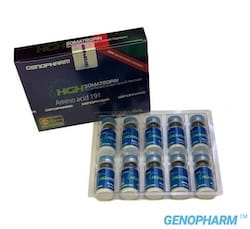
Order Somatropin Injections Online for the Best Deals Today
Finding the Right Somatropin Source
Navigating the world of somatropin requires a sharp eye for detail. You really have to learn how to tell the difference between trusted names like Norditropin or Genotropin and the various unregulated options flooding the internet. To stay out of trouble, always make sure you have a valid prescription from a licensed medical expert before you buy anything.
Choosing a legitimate pharmacy is your best bet for receiving pure, medical-grade substance. On the flip side, buying from shady sources puts you at a huge risk. You might end up with something that is contaminated or even just the wrong amount of hormone entirely.
Think of the current market as a busy street corner filled with many different stalls. You have the ”gold standard” options that have passed through rigorous clinical trials. These are genuine pharmaceutical tools built for treating actual medical conditions.
Then, you have the darker corners of the web. These are the murky, unregulated vials that might contain nothing but salt and a prayer. I’ve seen people chase the lowest prices, but being cheap can become incredibly expensive when your health is on the line. If you’re scouting for reliable vendors, you might stumble upon places like poseidonrx.com, but your top priority should always be the legitimacy of the source.
When you’re shopping around, you need to know exactly what is going into your system. It is about more than just the price; it’s about the molecular integrity of the hormone. Using the wrong stuff can completely throw off your endocrine system, which functions as your body’s internal communication network.
Comparing Prescription Brands and Unregulated Goods
When a doctor writes a script for somatropin, they usually lean on established names like Norditropin or Genotropin. For instance, Novo Nordisk produces Genotropin, a brand-name somatropin created specifically to manage growth hormone deficiencies. Similarly, Norditropin provides a highly standardized, injectable version of human growth hormone used in clinical settings to maintain steady hormone levels in patients.
These specific brands follow incredibly strict manufacturing protocols to ensure every single milligram is correct. This is worlds apart from the ”gray market” stuff you see on social media or shady websites. Those unregulated vials frequently lack the precise concentration needed for safe use, which turns every single dose into a dangerous guessing game.
The gap between the two is massive. A prescription brand gives you predictability, which is the essential foundation for any medical journey. You can trust what is inside that vial because global health authorities hold the manufacturer accountable to deliver consistent, medical-grade results every time.
If you are weighing your options, pay attention to how the formula is stored. Some brands come as lyophilized (freeze-dried) powders that you have to reconstitute yourself. Others come in convenient, pre-filled pens. Those pens are wonderful for convenience, but only if you actually trust the company that made them.
The Necessity of Medical Oversight and Legal Safety
You can’t just walk into a shop and grab somatropin like you’re buying a pack of gum. From a legal standpoint, you must have a prescription from a doctor. This isn’t just some annoying piece of red tape; it is a vital safety net meant to protect your long-term wellness.
A physician will look over your bloodwork to verify that your body truly needs the hormone. If you take exogenous growth hormone when your levels are already healthy, you could face serious issues like joint pain or insulin resistance. Your doctor acts like a navigator, ensuring you don’t accidentally sail your ship into dangerous, rocky waters.
Trying to skip this step by buying HGH online without a doctor’s note is a massive gamble. Many websites promise lightning-fast shipping, but you are often dealing with entities that operate completely outside the law. This means you have zero way to get your money back or find recourse if the product is tainted.
The bottom line is that medical supervision is your primary shield. A doctor stays on top of your dosage and checks your vitals to make sure the treatment is actually working. Without that professional guidance, you’re basically flying through a storm without a map or a compass.
How to Verify Purity and Dodge Counterfeits
If you find yourself sourcing through specialized channels, you need to play detective. Do not simply take a vendor’s word for what they are selling; you have to demand real proof of purity. High-quality substances should always come with documented evidence regarding their manufacturing standards and chemical makeup.
One of the best ways to check quality is by using an ELISA test. This is a specialized assay used to confirm the presence and concentration of human growth hormone. This scientific approach helps you verify that the liquid in the vial is the actual hormone you paid for.
When you are checking out a supplier, keep an eye out for these specific quality markers:
- Certificate of Analysis (CoA): This paper should show the specific testing date and the exact purity levels.
- Batch Numbers: Every single vial must have a unique ID that matches up with the documentation.
- Sterility Testing: Make sure the product has been checked for contaminants like bacterial endotoxins.
- Seal Integrity: The packaging needs to be tamper-evident and show no signs that it has been opened before.
Do not let a flashy, professional-looking website trick you into thinking a product is legitimate. Genuine, pharmacy-grade products put transparency ahead of clever marketing. If a seller gets defensive or refuses to hand over detailed purity reports, just walk away. Your health is worth far more than a ”too good to be true” bargain.
The Financial Side of Your Treatment
Budgeting for your monthly somatropin regimen can feel like trying to hit a moving target. Depending on your specific brand and whether your insurance is footing the bill, you should expect to spend anywhere from $500 to $2,500 every month.
High-quality, clinical-standard injections offer the safety and dosing precision you need to stay healthy. On the other hand, seeking out generic options or overseas suppliers might slash your total costs, but that often introduces significant risks regarding purity and legal compliance.
Think of your hormone therapy budget like a high-stakes game of chess. You aren’t simply paying for a small glass vial; you are investing in the certainty that what you inject is exactly what the label claims. When you compare prices, the chasm between a regulated US provider and an overseas vendor is often massive.
The truth is that ”bargain” prices often turn into expensive mistakes if the medicine is tainted or simply ineffective. If you are working with a lyophilized powder that requires manual reconstitution, the math has to be flawless. One tiny slip-up with your diluent, and you’ve effectively thrown your money down the drain.
What this means for you is that you have to weigh the upfront savings against the long-term stability of your health. A steady, predictable dose is the heartbeat of your endocrine system. If your concentrations fluctuate, your body will struggle to find the equilibrium it needs for real results.
Weighing Generics Against Name Brands
When professionals mention ”pharmaceutical-grade” products, they are talking about medicine built under strict cGMP manufacturing standards. Brands like Genotropin or Norditropin are the gold standard in this industry. These come with a higher price tag because the quality control protocols are incredibly intense and costly to maintain.
Then you have biosimilars, which are generic-style alternatives designed to act like the expensive brands for a much lower price. They are highly similar to the originals but aren’t identical copies. They can certainly help your wallet, but you must verify they have official approval from bodies like the EMA or FDA.
A common trap is looking only at the price per vial rather than the price per milligram. A large vial might look like a steal, but if the concentration is weak, you’ll have to use much more volume to hit your target. Always calculate your costs based on the actual milligrams you are consuming.
Look at this breakdown to see how different purchasing paths change your monthly financial landscape:
| Buying Method | Estimated Monthly Cost | Typical Purity/Reliability |
|---|---|---|
| US Brand Name (Insurance) | $400 – $800 | Extremely High |
| US Brand Name (Cash Pay) | $1,500 – $3000 | Extremely High |
| International Pharmacy | $300 – $700 | Variable/Uncertain |
| Gray Market/Unregulated | $100 – $300 | Very Low/Dangerous |
How Dosage Levels Drive Your Budget
Your prescribed strength is the quiet engine driving your total expenses. If your doctor mandates a high dose to combat a deficiency, your monthly bills will climb quickly. There is a direct link here: more milligrams always equals more dollars. This is why many patients spend time negotiating with insurance providers for better coverage.
The bottom line is that your unique medical situation sets the budget. A person using a low maintenance dose for anti-aging will have a completely different financial profile than someone treating a clinical deficiency. You cannot truly know your costs until you have a precise, medically supervised titration schedule.
I have watched patients attempt to ”stretch” their doses to save a few bucks, but it is a dangerous gamble. Hormonal balance is a delicate dance; if you miss doses or under-dose to save money, you risk throwing your entire endocrine system into chaos. The cost of fixing medical complications is far higher than the savings from an inconsistent regimen.
If you explore international avenues, you might find that countries like Mexico offer much lower prices for high-quality supplies. However, you must be incredibly diligent about vendor legitimacy. The gap between a legitimate international pharmacy and a total scam is razor-thin, and your health depends on making the right call.
Navigating the Acquisition Process
To get somatropin safely, your first step is getting a formal script from a licensed medical doctor. They’ll need to run a blood panel first to prove you actually have a growth hormone deficiency. It isn’t just a formality; it’s your insurance policy for health.
Once that paperwork is cleared, you can shop at legitimate US-based pharmacies, use reputable international sources like Singular Biotech, or go through authorized medical distributors. These channels help guarantee that your medication stays pure and arrives under strict temperature controls.
Think of the prescription process as a professional roadmap rather than just a piece of paper. Usually, you’ll sit down with an endocrinologist—a hormone specialist—who manages your systemic balance. They’ll check your IGF-1 levels, which serves as a vital window into how much growth hormone your body is producing.
Securing that script is your golden ticket to staying out of the ”gray market.” If you try to skip the doctor, you’re stepping into a dangerous territory where counterfeit or dirty peptides are everywhere. Don’t cut corners if you want real, safe results.
What this means for you is that patience is a virtue here. You won’t just walk into a clinic and leave with a vial in your hand. It’s a journey of consultations, blood tests, and deep dives into your long-term wellness goals and potential side effects.
Spotting Reliable Pharmacies and Online Shops
Navigating the digital marketplace for hormone therapy can feel like walking through a minefield. You might see sites offering ”too good to be true” deals, but you have to look beneath the surface. A trustworthy pharmacy will never ask for your money until you’ve uploaded a valid script from a licensed practitioner.
If a site lets you hit ”add to cart” without any medical oversight, walk away immediately. Those sites are often peddling unregulated junk that could be nothing more than plain saline or, even worse, toxic additives. You shouldn’t have to act like a private investigator just to get your medicine.
Keep an eye out for red flags: broken English, a lack of a real physical office address, or weird payment options like wire transfers or only crypto. Those are the fingerprints of a scammer. A legitimate business will be transparent about their location and accept standard, secure payment methods.
I always suggest my peers look for third-party verification. Think of the Enzyme Immunoassay testing standards as the gold standard for accuracy. Even if you aren’t running lab tests yourself, knowing that true HGH is measured by such rigorous methods shows you why cheap, random powders are a huge gamble.
Weighing the Pros and Cons of Global Suppliers
When budget becomes a major concern, many people look toward specialized providers like Singular Biotech. Since these companies often operate in places like Mexico, they can bypass certain high costs and offer much lower prices. You might see your monthly cost drop from $2,000 down to $500, which is a massive win for your wallet.
The big win here is sheer affordability and access. For many folks, these international options are the only way to stay on their treatment without going broke. They often boast ”pharmacy grade” products that claim purity levels of 99% or higher in their lab reports.
However, there is a catch to consider. When you buy from international vendors, you are essentially taking the driver’s seat on quality control. You are trusting their internal checks and their word rather than the direct oversight of the FDA. It’s a calculated risk that requires careful homework.
The bottom line is that you are trading the built-in safety net of US insurance and domestic regulation for much more breathing room in your bank account. If you go this route, make sure the vendor has a solid history and a clear policy if your shipment arrives damaged or ineffective.
Preserving Peptide Integrity via Cold Chain Management
Somatropin is a peptide, meaning it’s a delicate chain of amino acids. Think of it like a fragile biological structure. If things get too warm, the protein can ”unfold,” a process called denaturation, which turns your expensive medicine into useless liquid.
This is why the ”cold chain” is your best friend. This refers to a temperature-controlled journey that keeps the product between 2°C and 8°C (36°F to 46°F) from the manufacturing plant all the way to your porch. If a vendor sends it in a plain box without ice, you’re just paying for expensive water.
When your box shows up, check those temperature indicators right away. Top-tier providers use specialized insulation and gel packs to battle the heat. If the package feels warm to the touch, don’t just hope for the best; the medicine might have already lost its kick.
To keep things steady at home, grab a dedicated medical-grade mini-fridge. Avoid sticking it in the crisper drawer of your kitchen fridge where the temperature jumps every time someone grabs a snack. A constant, unwavering environment is the only way to ensure your last dose works as well as your first.
How to Manage Your Somatropin Protocol
Finding the right rhythm with somatropin depends entirely on what you are trying to achieve. For those medically diagnosed with Growth Hormone Deficiency (GHD), the focus is purely on replenishment. Because your pituitary gland isn’t producing what your body needs, doctors usually start with a conservative amount and slowly nudge the dose upward to find that sweet spot of stability.
Daily amounts for GHD typically fall between 0.1mg and 0.4mg per kilogram of your total body weight. It’s a delicate balancing act. You aren’t looking for extremes here; you’re looking for equilibrium. If you push too hard, you might run into issues like insulin resistance or carpal tunnel syndrome, which are definitely not worth the trouble.
On the other hand, the fitness community views this peptide through a completely different lens. They aren’t looking for ”normal”; they are looking for an edge. Athletes often aim for much higher, supra-physiological levels to push the boundaries of muscle cell growth, also known as hypertrophy. It’s a high-stakes game of chasing peak anabolic performance.
What this means for you is that your end goal dictates every calculation you make. If you’re fixing a deficiency, precision is your best friend to avoid metabolic chaos. If you’re chasing a shredded physique, you’re playing a much more aggressive game with your hormones. Never assume a dose meant for a clinical patient will be appropriate for an athlete.
To help you visualize how these targets shift based on your intent, check out this quick summary:
| Intent | Daily Dose Range | Target Result |
| Growth Hormone Deficiency | 0.1mg to 0.3mg / kg | Hormonal Balance |
| Muscle Hypertrophy | Variable (High) | Lean Mass Accretion |
| Anti-Aging/Longevity | Low/Subcutaneous | Metabolic Support |
Perfecting Your Injection Technique
You can’t just pop somatropin in your mouth like an aspirin. Since it is a peptide, your digestive enzymes would tear it apart before it ever saw a vein. To get it into the system, you have to go subcutaneous. This means delivering the liquid into the fatty layer just under your skin—it’s a quick little pinch, but you’ll get used to it quickly.
Most people find a fine-gauge insulin syringe is the easiest tool for the job. I recommend targeting areas with a bit of ”give,” such as your thighs or your abdomen. One piece of advice I give my peers is to rotate your sites like you would change a tire. If you keep hitting the same spot, you’ll likely develop uncomfortable, hard lumps known as subcutaneous nodules.
The process requires a clean workspace and a steady hand. Always use an alcohol swab to prep the skin before you do anything else. Even if you’ve just showered, those tiny microbes can cause real trouble. A little bit of hygiene prevents an abscess or a nasty infection from derailing your entire protocol before you even get started.
Keeping Your Peptide Potent
Think of your somatropin as if it were a delicate piece of fine art; it reacts poorly to its surroundings. As I mentioned before, protein degradation is the silent thief of effectiveness. If heat or light breaks down those molecular chains, you’re essentially paying a premium to inject expensive, useless saltwater. That is a heartbreaking way to waste your budget.
The bottom line is that you must respect the ”cold chain.” Your vials need a steady, chilly environment to stay active. Using a dedicated medical fridge is the gold standard for a reason. If your kitchen fridge is constantly being opened and closed, those temperature swings can be just as destructive as leaving the vial on a sunny counter.
You need to be your own quality control officer. If a shipment arrives feeling even slightly lukewarm, do not just shove it in the fridge and hope for the best. If the integrity of the peptide has been compromised by heat, the actual amount of active hormone in that vial might be much lower than what is printed on the label.
Mass Gain vs. Muscle Building
There is a massive distinction between using somatropin for general weight gain and using it for muscle enhancement. Some people use it to fight off wasting syndromes or to combat severe calorie deficits. In those cases, the goal is simply to increase total body mass—a fundamental shift aimed at metabolic stability and survival.
Muscle enhancement is a much more surgical endeavor. Many people pair it with heavy resistance training to skyrocket protein synthesis. The goal here isn’t just to see a higher number on the scale; it’s about the quality of that mass. You want lean, functional tissue, not just extra weight that sits around your waistline.
I have seen plenty of people chase the ”muscle” dream only to end up feeling bloated and constantly hungry. This usually happens when the dosage isn’t paired with a serious lifting stimulus. If you aren’t hitting the weights hard, that extra somatropin won’t build a mountain of muscle; it will just mess with your metabolism in ways you won’t enjoy.
Assessing Quality and Efficacy
To make sure your somatropin actually delivers the results you are chasing, you have to confirm its potency using Enzyme Immunoassay (ELISA) methods. This specific testing measures precise HGH concentrations in your blood. You should look for 99% purity levels in high-end, pharmacy-grade peptides to ensure they are truly clean.
It is also vital that these substances show zero cross-reactivity with other endocrine markers, such as TSH or hCG. When sourcing your supplies, never skip the step of checking for independent verification regarding endotoxins, bacteria, or heavy metals. Avoiding these impurities is the only way to sidestep the various hazards found in non-prescription sources.
Why ELISA Testing Matters
If you ever wonder if your somatropin is truly moving the needle, your bloodwork holds the answer. The most reliable method is the Enzyme Immunoassay, commonly referred to as ELISA. This biochemical approach utilizes specialized antibodies to pinpoint and measure the exact amount of Human Growth Hormone (HGH) moving through your bloodstream.
Think of an ELISA test as a precision-tuned detective on the case. Instead of just giving you a vague idea of ”growth hormone” presence, it hunts down the specific molecular fingerprint of the peptide. This high level of sensitivity is a game-changer for clinicians who need to spot tiny fluctuations when adjusting a sensitive dosing plan.
Relying on a specialized assay means you are prioritizing accuracy over guesswork. Without these granular details, you are essentially navigating a dark room without a flashlight. You might feel like you are hitting your targets, but your internal biochemistry could be signaling a much different, and potentially hazardous, reality.
What this means for you is that you cannot simply ”feel” your way through a cycle. While gaining lean mass or seeing an energy boost is encouraging, it isn’t scientific evidence. Real confidence comes from seeing HGH levels in your serum hit the target range on a verified lab report.
Navigating Lab Reports Without Error
Deciphering a lab report can feel like trying to translate an ancient, cryptic text if you haven’t been trained. One frequent mistake I see is falling victim to ”cross-reactivity.” This occurs when a test misreads other hormones—like TSH or hCG—and incorrectly identifies them as HGH.
If a test lacks specificity, it might report inflated HGH levels just because your thyroid function is off. That is a dangerous way to play. You might assume your somatropin is working wonders when, in truth, your thyroid is simply overactive. It is a bit like a smoke alarm triggering because of burnt toast rather than an actual house fire.
The bottom line is to ensure your physician utilizes an assay specifically engineered to prevent this confusion. You need a test that zeroes in on the HGH molecule while filtering out all that other endocrine ”background noise.” If your reports show multiple hormones spiking at once, the test’s accuracy is likely the problem.
I always advise my peers to hunt for the ”specificity” rating in any lab documentation. A top-tier test will explicitly state it has no cross-reactivity with hCG or TSH. If they cannot give you that guarantee, take those findings with a heavy dose of skepticism and go get a second opinion.
Identifying Truly Pure Materials
Not every batch of somatropin is built to the same standard. While many vendors promise ”high purity,” you should only settle for the gold standard: 99% pharmacy-grade somatropin. This grade ensures the substance has gone through intense purification to strip away almost every residual solvent or manufacturing byproduct.
Pharmacy-grade peptides offer something incredibly precious: predictability. When you dose 1mg of a 99% pure product, you know exactly what is entering your system. Low-grade or ”research-grade” options, however, can be total wildcards. One vial might be potent, while the next is mostly useless filler, making it impossible to maintain stable levels.
I have watched people drop $100 to $200 on a single vial only to find out they bought an expensive placeholder. To avoid this trap, look for total transparency in how things are made. If a supplier refuses to hand over a Certificate of Analysis (CoA) proving their purity, walk away immediately.
The visual cues for high-purity somatropin are subtle but essential. Once reconstituted, the liquid should look completely clear and colorless, with no ”floaters” or visible sediment in the vial. If the solution looks cloudy, it has likely degraded or was never pure. Trust your eyes just as much as your lab work.
The Risks of Toxins and Heavy Metals
The moment you move away from regulated, prescription-strength medicine, your risk profile changes drastically. Non-prescription HGH is often tainted with heavy metals like mercury, arsenic, or lead. These metals don’t just pass through you; they build up, potentially causing organ toxicity or neurological issues that far outweigh any physical gains.
There is also the significant issue of microbial contamination. If a manufacturing facility is sloppy, bacteria or endotoxins can enter the mix, causing localized infections at the injection site or systemic inflammation. You are trying to optimize your health, not inject a cocktail of toxins. It is a high-stakes gamble that many people overlook.
What this means for you is that third-party testing is a non-negotiable requirement. If you are sourcing anything outside of a traditional pharmacy, you must demand proof of testing for both residual solvents and heavy metals. Without that proof, you are essentially using your own body for a very dangerous, very expensive experiment.
Always put your safety ahead of a ”good deal.” A $50 vial that is loaded with contaminants ends up being much more expensive than a $150 pharmacy-grade vial that is guaranteed clean. Protect your health; it is the one thing you cannot replace once it is gone.
Practical Uses and Healing Potential
Somatropin works by triggering systemic signals that aid in metabolic tuning, tissue restoration, and muscle growth. While it serves as a powerhouse for repairing soft tissue damage, such as a torn rotator cuff, its secondary metabolic talent lies in reshaping body composition and enhancing insulin sensitivity. If you are chasing an aesthetic physique, expect it to prioritize lean tissue gains over sheer power.
I have sat down with many athletes who incorrectly assume somatropin is a direct tool for lifting heavier. You have to understand the mechanics here. It functions more as an artist than a weightlifter. Rather than revving up your nervous system for explosive movement, it reworks the physical architecture of your frame. If your aim is a statuesque appearance, this is your primary tool.
Think of this compound as a specialized foreman for your body’s internal rebuild. When a rotator cuff injury occurs, the connective tissue often lacks the regenerative cues needed to mend a damaged tendon. Somatropin steps into that gap to spark collagen production and cellular renewal. It does more than just ”patch” a wound; it creates an ideal setting for the repair to take hold.
However, don’t expect these results to appear out of thin air. Healing is a process that demands the proper raw materials, specifically amino acids and plenty of downtime. Even with the highest quality somatropin available, a body running low on nutrition is like a construction crew showing up to a site with no bricks. You must supply the ingredients if you want to see the finished building.
Metabolic Balance and Long-term Vitality
Navigating the link between somatropin and metabolic health is like walking a tightrope. On one side of the coin, it helps mobilize fatty acids, which assists in the oxidation of fat. This means your system becomes much more adept at utilizing stored fat for energy during periods of rest or light movement.
On the flip side, you have to manage the ”insulin dance.” Because somatropin can act against insulin, taking high doses at the wrong times might trigger temporary spikes in your blood glucose. This is why I tell my peers to keep a constant watch on their fasting glucose. You want the fat-burning perks without stumbling into insulin resistance.
Staying healthy over the long haul requires maintaining a precise biological balance. Pushing levels far beyond what is natural can mess with your endocrine system’s internal feedback loops. It is very similar to driving a car with the gas pedal pinned to the floor; you will move fast, but you will blow the engine much faster than normal. Stability is the real winner here.
What this means for you is moving away from the ”more is better” mentality and toward a philosophy of precision. Tracking your biomarkers is not a suggestion; it is a survival tactic. If your goal is long-term wellness, your blood work acts as a GPS, telling you if you are cruising toward a plateau or heading toward a cliff.
Building Mass versus Boosting Power
When discussing muscle enhancement, we must differentiate between the various ways the body adapts. There is a massive gap between looking significantly larger and being able to move a heavier load on the barbell. Somatropin sits firmly in that first group. It is a master of hypertrophy, specifically increasing the actual size of muscle fibers.
I often hear people weigh different peptides, like Hygetropin, against standard somatropin. Hygetropin is a specific version of HGH frequently utilized for increasing weight and muscle size. While it is incredibly potent for adding lean mass, it is generally not the go-to for increasing raw strength. It can change your silhouette, but it won’t necessarily change your peak power.
The following table breaks down the primary differences you might see depending on your specific objectives:
| Objective | Primary Process | Expected Outcome |
| Hypertrophy (Mass) | Elevated IGF-1 signaling and protein synthesis | Increased thickness and muscle volume |
| Strength (Power) | Increased ATP efficiency and neuromuscular adaptation | Higher force production and explosive power |
If you are aiming to step onto a bodybuilding stage, the mass-building potential of HGH-based protocols is your best ally. However, if you are a powerlifter hoping to add 50 pounds to a heavy squat, somatropin alone might leave you feeling unsatisfied. It builds the engine, but it doesn’t necessarily tune the transmission for high-speed bursts.
In clinical environments, the enzyme immunoassay is the gold standard for tracking these hormonal shifts. This ensures that the numbers on your lab report truly reflect the somatropin in your bloodstream rather than just a random statistical error. Without this level of accuracy, you are essentially flying through a thunderstorm without any instruments.
The bottom line is that choosing between mass and strength depends on how you marry your hormones with your training. You cannot simply inject your way to a new personal record. You have to train specifically for the adaptation you want. Somatropin provides the biological ”green light” for growth, but your lifting sessions provide the actual ”work order.”
Trackbacks & Pingbacks
[…] Somatropin Online […]
[…] Somatropin For Sale […]
[…] Somatropin […]
[…] Order Somatropin […]
[…] Order Somatropin […]
[…] Somatropin Online […]
[…] Somatropin Online […]
[…] Buy Somatropin […]
[…] Buy Somatropin […]
[…] Somatropin For Sale […]
[…] Buy Somatropin […]
Kommentering är stängd.