Order Testosterone Injections Online Today for the Best Value
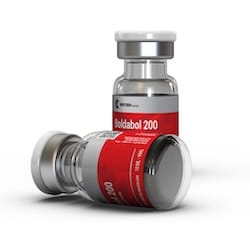
Order Testosterone Injections Online Today for the Best Value
Understanding the Costs of Testosterone Therapy
You might find that the price of testosterone vials dances all over the map, typically landing somewhere between $30 and $150 per unit. These variations usually stem from the specific concentration you need or the reputation of the manufacturer. Whether you opt for expensive, regulated brands or budget-friendly generic options, your choice matters.
How you actually take your medicine plays a massive role in your wallet’s health too. If you are sticking to a weekly or bi-weekly subcutaneous schedule, your monthly overhead will look very different than someone using a different frequency. It is a puzzle where every piece affects the final total.
As you start hunting for supplies, keep a sharp eye on the milligrams of testosterone per milliliter (mg/mL). A lower concentration, such as 100mg/mL, looks like a bargain on the sticker, but it is a bit of a trap. You end up needing to inject much larger volumes to hit your dose, which can turn your routine into a painful, frequent chore.
Evaluating Purity and Potency
Think of pharmaceutical-grade vials as the high-end steak of the hormone world. They are produced in strictly monitored facilities that follow rigid regulatory guidelines to ensure every drop is pure and consistent. If you want absolute safety and peace of mind, this is the gold standard you should aim for.
Generic versions are certainly more wallet-friendly, but they often skip the heavy-duty testing required by major health authorities. It is a bit like buying coffee. You can grab a cheap, sketchy bag from a street vendor, or you can pay extra for a certified organic roast. That cheap cup might save you $10 today, but it might leave you feeling jittery or inconsistent tomorrow.
In this game, stability is your best friend. When you are managing your hormones, you don’t want surprises. You have to decide if the savings on a cheaper vial are worth the risk of impurities. Many people spend time comparing different suppliers, including poseidonrx.com, to find that sweet spot between a fair price and a reliable product.
Before you ever crack the seal on a new vial, make sure you check the batch number and the integrity of the seal. Being careful now prevents a massive headache later. Never let a low price tag blind you to the importance of quality control.
Comparing Injection Styles and Long-Term Savings
The way you deliver your dose is a major factor in your long-term budget. Many guys stick with intramuscular (IM) injections, driving the needle deep into the muscle. While this is the traditional route, the sheer volume of liquid required can lead to higher costs for medical supplies over time.
Then there is the subcutaneous (SubQ) method, which targets the fatty tissue just beneath your skin. It might sound like a minor technicality, but many users find it much easier to handle at home and significantly less painful. This approach can actually save you money because it allows for smaller, more frequent doses that keep your blood levels steady.
Let’s run the numbers together. If you are dropping $50 every week on a specific brand, you are looking at a $200 monthly bill. However, if switching to a more concentrated vial via a different method brings your cost down to $120 a month, you’ve just handed yourself an extra $80. It is a simple math problem that pays massive dividends over a year.
- Intramuscular (IM): The standard muscle-based approach; often requires a larger volume of liquid.
- Subcutaneous (SubQ): Injections into fatty tissue; generally considered more comfortable.
- Concentration (mg/mL): The specific measurement of active hormone within each milliliter.
Navigating Global Markets and Pricing Shifts
The market for these supplies is never static; it shifts like the tides. If you decide to source your gear from international locations, prepare for some serious price swings. Between changing manufacturing laws in other countries, rising shipping fees, and unexpected customs duties, the price you see today might not be what you pay tomorrow.
Sourcing from certain global hubs can be a double-edged sword for your bank account. You might find incredible deals on bulk orders, but you have to account for the ”hidden” costs. I’m talking about potential customs delays or the risk of items getting lost in transit. It is rarely a straight line from the factory to your front door.
The bottom line is that being a smart buyer requires a healthy dose of patience. Resist the urge to jump at a ”too good to be true” deal found on a random internet forum. Those are often traps. Stick with vendors who have a solid reputation; sometimes, paying a little extra is the cheapest way to buy peace of mind.
| Vial Category | Price Range (USD) | Main Cost Driver |
| Standard Generic Vial | $30 – $50 | Mass production and bulk sourcing |
| Premium Brand Vial | $80 – $150 | Rigorous purity testing and regulation |
Where to Find Your Supply
Where you live plays a massive role in how easy it is to get your medication. Many guys end up searching through overseas markets, looking toward places like Suriname or Cyprus to track down certain types of formulations.
While shopping across borders can certainly save you a significant amount of cash, it isn’t a simple task. You have to dance around complex shipping routes, deal with unpredictable customs officials, and, most importantly, make sure the person selling the goods isn’t running a scam.
I’ve seen plenty of guys spend weeks trying to figure out the best way to get their vials delivered. It is a balancing act between saving a few bucks and actually receiving a pure, effective product in your hands.
Navigating the International Landscape
Think of this whole global market like a vast, unpredictable ocean. Some people find much smoother sailing in territories like Cyprus, where the rules surrounding medical supplies aren’t quite as rigid as they are elsewhere.
Other folks set their sights on Suriname, hoping to tap into different supply chains that offer much lower price points. It is a territory defined by both massive opportunities and very real dangers that can catch you off guard.
The truth about shipping things across the world is that the road is rarely a straight line. You aren’t just paying for the actual hormone; you’re paying for the complex journey that liquid must take to land in your mailbox.
Customs agents in your own backyard act as the ultimate gatekeepers of your package. If your delivery looks even slightly suspicious to them, it might end up sitting in a government holding cell or simply tossed in the trash.
What this means for you is that you have to be prepared for packages that simply never show up. Things get lost in the shuffle of international logistics all the time. I always tell my friends to treat these orders like a calculated gamble.
The bottom line is that you should never try to stock up for the entire year in one single order. Start with a small test shipment to see how your local customs office handles the specific items you are trying to bring in.
The Truth About Doctors and Safety
In many regions, trying to get a formal prescription for Testosterone Replacement Therapy (TRT) can feel like you are fighting an uphill battle. Medical professionals are often incredibly cautious about prescribing hormones without demanding a mountain of expensive, invasive blood work.
While these strict requirements exist to keep patients safe, they also create a massive void in the market. When legitimate channels are blocked, people naturally look for alternatives, which opens the door for some very shady players.
This is where the danger of fake products enters the picture. Because the demand is sky-high, many ”gray market” sellers have popped up offering dirt-cheap prices, but those vials might contain nothing but cheap mineral oil or incorrect hormone levels.
Messing with your endocrine system with the wrong concentrations is a heavy price to pay for a bargain. To stay safe, you have to be a bit of a private investigator yourself when choosing a vendor.
A legitimate company will usually offer clear documentation or independent third-party lab results to prove their quality. If a website looks like it was built in the late nineties and promises ”no questions asked” shipping, run the other way. If it feels too easy, something is usually wrong.
To help you get a better idea of the landscape, I have laid out a quick breakdown of how different buying methods tend to stack up. Keep in mind that these are just rough estimates for your planning.
| Purchase Method | Expected Monthly Cost | Risk Profile |
| Local Pharmacy (Prescription) | $80 – $150 | Low |
| Trusted International Vendor | $40 – $70 | Moderate |
| Unverified Gray Market | $15 – $30 | High |
| Bulk Import (Customs Risk) | $30 – $50 | High |
Double-Checking Your Source
Once you have picked a vendor, don’t just go for the lowest number on the screen. You really need to vet them by looking at historical data and what the community has to say about them.
I often see guys using community forums to track specific batch numbers or to see how long shipping actually took for other users. This kind of boots-on-the-ground intelligence is often worth much more than a shiny marketing website.
When your package finally arrives, check those vial seals immediately. If the liquid looks cloudy instead of clear, or if the top feels loose, do not put that in your body. It is much better to lose a little cash than to deal with the permanent fallout of injecting something impure.
At the end of the day, your health is the most important thing you own. Saving money is a great goal, but you shouldn’t sacrifice your hormonal balance just to save a few extra bucks. Treat your sourcing like a high-stakes investment: do your homework, stay skeptical, and always put the quality of the medicine first.
How to Manage Your Dosing and Injection Routine
Most treatment plans lean on long-acting esters, specifically Testosterone Cypionate or Testosterone Enanthate, to keep things moving steadily. You will deliver these through either an intramuscular or subcutaneous method. Timing your shots is where the magic happens; staying consistent prevents those jagged hormonal spikes and crashes that can ruin your week.
Think of it like a slow-burning fuse rather than a sudden explosion. If you miss the mark on timing, you might feel like you are riding a wild ride of mood swings and fatigue. The goal is always a smooth, steady cruise through your hormonal cycle.
Picking the Right Ester and Schedule
When you sit down with your doctor, you will likely weigh the merits of Testosterone Cypionate versus Testosterone Enanthate. These substances are ”esters,” which are essentially chemical anchors attached to the hormone. They act much like a slow-release timer on a candle, ensuring the medication trickles into your system over time.
Cypionate is a frequent flyer in many clinics because it offers a very reliable, extended release. Enanthate performs a similar job, though your unique metabolism might cause it to behave slightly differently. You are chasing that ”sweet spot” where levels stay high enough to feel great, but not so high that they cause trouble.
What this means for you is that your injection schedule is your most important tool. A single massive dose once a week often causes a massive spike followed by a sudden crash. This ”rollercoaster effect” is notorious for leaving people feeling irritable or exhausted as their levels swing wildly.
To avoid those deep valleys, you might find success by splitting your weekly amount into two smaller shots. Instead of one heavy hit every Monday, try injecting smaller portions on Monday and Thursday. This strategy keeps your blood chemistry much more stable, which is the primary goal of any hormone therapy.
Navigating Injection Sites and Methods
Where you place the needle can change your comfort levels and how your body absorbs the dose. The classic approach is the intramuscular (IM) method. This requires injecting the liquid straight into the muscle, typically targeting the gluteus maximus or the vastus lateralis on your outer thigh.
Because muscles have a high concentration of blood vessels, they are excellent for steady absorption. You might encounter a bit of a learning curve with some soreness or small lumps if your technique is off. However, once you get the hang of it, it becomes second nature.
Lately, many people are gravitating toward subcutaneous (SubQ) injections instead. This involves targeting the layer of fat just under your skin, often in the thigh or abdominal area. It is generally a much more painless experience and is quite easy to manage yourself at home.
Your choice between these two methods depends heavily on your individual biology. Some people notice that SubQ shots cause faster testosterone spikes. If you struggle with mood stability, sticking to the traditional intramuscular route might be your best bet. Always run these options by your healthcare provider first.
Taming the Hormonal Rollercoaster
The ”rollercoaster effect” is a real thief of well-being. It occurs when your levels soar immediately after a shot, only to plummet before your next scheduled dose. You might feel like you are on top of the world on Tuesday, but feel completely drained by Sunday. This inconsistency can be brutal on your mental state.
The bottom line is that consistency is your best friend. If your energy levels feel like a seesaw, your current protocol likely needs a slight adjustment. Often, simply increasing how frequently you inject—rather than changing your total weekly milligrams—is the most effective way to level out those highs and lows.
I highly recommend keeping a personal journal of your symptoms. Track the day you inject and any shifts you notice in your libido, energy, or mood. This information is absolute gold when you meet with your doctor to fine-tune your milligrams. It turns a guessing game into a precision-engineered plan.
Navigating Brand-Name vs. Generic Testosterone
Deciding whether to go with a name-brand or a generic version often boils down to a tug-of-war between your wallet and your need for peace of mind. Both options aim to deliver the exact same hormone to your bloodstream. However, many people find themselves paying a premium just to ensure a certain level of manufacturing certainty.
When you look at the big players, you will see names like Depo-Testosterone. These products are the heavy hitters, crafted by massive pharmaceutical corporations under incredibly tight supervision. Many doctors treat them as the gold standard because their quality control is ironclad. You can trust that every single milliliter contains the precise dosage listed on the bottle.
On the flip side, generics act as the reliable workhorses of your treatment plan. These are chemically identical to their expensive counterparts, meaning the active ingredient is the same. For the vast majority of men, there is no noticeable difference in how they feel. It is much like choosing a store-brand cereal; it hits the spot just as well as the name brand.
What this means for you is a fundamental choice regarding your budget. If you want to save money, generics are a brilliant way to keep your therapy sustainable. Just make sure you are buying from a reputable source. Avoiding counterfeit meds is non-negotiable if you want to stay safe while saving cash.
Comparing Costs and Effectiveness
The price difference between these two paths can start to feel like a gut punch when you look at your yearly spending. Brand-name drugs often carry a significant ”reputation tax” that can quickly drain your savings. For those living on a fixed budget, these extra costs can make it incredibly hard to stay consistent with therapy.
Generics are built to compete on price, which is why they are so much cheaper. You might see a generic vial for around $30, while the brand-name version might jump up to $80 or higher. You are essentially paying for the convenience of a famous label. It is a classic medical trade-off that every patient faces at some point.
| Product Category | Estimated Monthly Cost | Main Advantage |
| Brand-Name | $150 – $250 | High Brand Trust |
| Generic | $40 – $90 | Significant Savings |
The bottom line is that, in terms of results, they are mostly a wash. Most guys report that switching to a generic doesn’t change their physical or mental state one bit. The real difference isn’t in your muscles or your mood; it’s the extra cash staying in your bank account instead of going to a big corporation.
Learning to Read Your Lab Work
You cannot effectively manage what you refuse to measure. Trying to fly blind by just ”feeling okay” is a risky move when your hormones are involved. You need the hard evidence from a full blood panel to confirm you are landing in that healthy physiological range. Think of your lab report as a GPS for your health.
When you sit down with your results, do not get distracted by just the ”Total Testosterone” number. That single figure can be a total liar. You absolutely must check your Free Testosterone, because that is the hormone actually available for your body to use. If your total looks high but your free levels are low, you’re going to feel like a zombie.
I suggest you pay close attention to your Sex Hormone Binding Globulin (SHBG) levels. This protein essentially acts as a sponge, soaking up your testosterone and making it unavailable to your cells. If your SHBG is running high, you might feel low-T symptoms even if your total levels look like they are off the charts.
A solid medical review should also keep an eye on your hemoglobin and hematocrit levels. These markers tell you how thick your blood is. If your testosterone gets too high, your blood can become sluggish and thick, which puts extra strain on your heart. Keep a digital or physical folder of every single lab result you ever get.
Understanding Esters and Their Half-Life
Think of a drug’s ”half-life” as a timer. It represents how long it takes for the concentration of the medication in your system to drop by exactly fifty percent. This timing is controlled by the ester attached to the hormone. Think of the ester as a chemical anchor that determines how slowly the hormone is released.
Short-acting esters, such as Testosterone Propionate, have a very rapid half-life. This means the hormone hits your system fast and disappears just as quickly. You would likely need to inject every day or every other day to avoid a massive hormonal crash, which is a massive headache for most people’s schedules.
Long-acting esters, like Testosterone Cypionate or Enanthate, are the industry’s bread and butter for a reason. They have a much longer half-life, meaning they drip into your system slowly over a week or so. This leads to much more stable hormone levels and means you aren’t poking yourself with a needle nearly as often.
What this means for you is a choice between stability and flexibility. A longer-lasting ester is much easier to manage on a daily basis, but if you have a bad reaction, that hormone stays in your system for a long time. Mastering this timing is the secret to finding the perfect rhythm for your specific body.
Navigating the Risks and Medical Oversight
You shouldn’t treat hormone replacement like a DIY project in your garage. Attempting to self-administer testosterone without a physician’s watchful eye is a gamble with your health, potentially leading to issues like infertility or cardiovascular strain. Professional supervision is your safeguard, ensuring that your biomarkers remain within a healthy range.
A doctor does more than just write a script; they act as a vital safeguard against complications like thickening blood or excessive estrogen conversion. By working with a specialist, you can fine-tune your dosages with precision. This keeps your entire hormonal ecosystem functioning smoothly rather than letting it spiral out of control.
The bottom line is that professional guidance keeps you on the right path. Without it, you are essentially navigating a complex chemical labyrinth without a map. Relying on a professional ensures that the hormones you introduce don’t trigger a domino effect of health issues that could take years to resolve.
I’ve seen plenty of guys try to ”optimize” their performance, only to end up facing a metabolic nightmare. They think they are winning, but they are actually just inviting chaos into their bodies. It is much more cost-effective to invest $150 in a professional consultation today than to pay for an emergency room visit tomorrow.
What this means for you is that the money you ”save” by buying unregulated supplies is a total illusion. If you accidentally shut down your natural hormone production permanently, the cost of fixing that mistake will be astronomical compared to the initial savings. Respect your endocrine system; it’s the engine of your body.
The Dangers of Flying Solo
Trying to manage your own hormone levels without medical help is like driving a high-speed race car without any gauges on the dashboard. You might feel a sudden rush of power and vitality, but you have absolutely no way to tell if your engine is redlining.
You are essentially flying blind through a dense fog of chemical reactions. A physician provides the safety net you desperately need. They look at the whole picture, preventing a single decision from causing a cascade of systemic side effects that could haunt your health for a long time.
Think of a doctor as your personal navigator. They aren’t just watching your levels; they are anticipating problems before they manifest. Without that expert perspective, you might miss the subtle warning signs that your internal systems are struggling to cope with the changes.
I have seen many well-intentioned individuals hit a brick wall because they ignored the small stuff. They thought they were leveling up, but they were actually creating a metabolic mess. It is always smarter to play it safe with a pro than to play doctor and face the consequences.
Tracking Your Vital Metrics
Your ”feelings” are a terrible way to measure your hormonal health. The human body is incredibly clever at masking dangerous physiological shifts until they turn into full-blown medical crises. The only way to see what is actually happening under the hood is through regular, professional blood work.
One metric you must watch is hematocrit, which measures the ratio of red blood cells to the total blood volume. If your testosterone levels climb too high, your body might overproduce these cells. This turns your blood into a thick, ”sludgy” substance, significantly raising your risk of a stroke or blood clots.
You also need to monitor your Prostate-Specific Antigen, commonly known as PSA. This protein is produced by the prostate gland. While a high reading doesn’t automatically mean cancer, a sudden spike could signal an enlarged prostate or other issues that require immediate attention before things escalate.
Treat these numbers like the cockpit gauges in an airplane. If a needle starts creeping into the red zone, you need to adjust your protocol immediately. Never decide you are ”fine” and skip a test just because you feel energetic during your cycle; the numbers don’t lie.
Balancing the Chemical Seesaw
Your body is constantly fighting to stay in a state of equilibrium, a process we call homeostasis. When you introduce external testosterone, your system reacts by trying to find a new balance. Often, this involves aromatization, a process where your body converts that extra testosterone into estrogen.
When estrogen levels climb too high, you might deal with frustrating side effects like water retention, mood swings, or gynecomastia—which is the development of breast tissue. These aren’t just minor annoyances; they are loud, clear signals that your hormonal ratios are completely out of sync.
To fight this, some people turn to aromatase inhibitors (AIs) to block the conversion. However, you should never mess with these without a doctor. If you over-correct and drop your estrogen too low, you risk damaging your brain health and bone density, which is just as dangerous.
Managing this delicate dance requires a very light touch. It’s a constant process of tweaking your dose and watching how your body responds. If you feel like you are constantly fighting side effects, it’s a sign that your current protocol is either too aggressive or your injection frequency is off.
Long-Term Hormone Management
Think of hormone replacement as a marathon, not a quick sprint to the finish line. Many people mistakenly treat it as a temporary fix, but once you start, your body’s natural production is likely suppressed. You are effectively entering a permanent, lifelong feedback loop.
To stay on a steady path, you need to focus on three core pillars of stability:
- Consistency: You must stick to a strict injection schedule to avoid the ”rollercoaster effect” where your levels peak and crash unpredictably.
- Regular Testing: Make blood work a habit every 3 to 6 months so you can catch any shifts before they turn into symptoms.
- Lifestyle Integration: Your diet, the quality of your sleep, and how you manage stress serve as the literal foundation for your hormones.
You also need to watch out for ”estrogen dominance,” which occurs when the ratio between estrogen and testosterone gets skewed. Even with high testosterone, a disproportionate amount of estrogen can leave you feeling sluggish, depressed, and physically uncomfortable. It is all about the ratio, not just the raw numbers.
If you want to dive deeper into how to navigate these complex medical waters, check out this medical document for more clinical context. Your ultimate goal should be physiological normalcy, not chasing superhuman levels that your organs simply cannot safely support.
Trackbacks & Pingbacks
[…] Testosterone Injections […]
[…] Testosterone Injections For Sale […]
[…] Testosterone Injections […]
[…] Buy Testosterone Injections […]
[…] Testosterone Injections Online […]
[…] Testosterone Injections Online […]
[…] Testosterone Injections For Sale […]
Kommentering är stängd.