Secure Premium Boldenone Shipments Directly Online
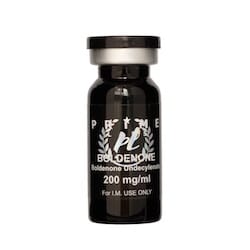
Secure Premium Boldenone Shipments Directly Online
The Molecular Architecture of Boldenone Undecylenate
Think of this substance as a modified version of natural hormones, specifically identified by the CAS number 13103-34-9. It operates by imitating the behavior of testosterone, but with a clever twist: an undecylenate ester is attached to the molecule. This addition creates a time-release effect that keeps levels steady in your system.
I like to think of chemical identification like a biological fingerprint. You wouldn’t want a stranger walking into your house claiming to be your brother, right? In the lab, the CAS number 13103-34-9 acts as that definitive ID, confirming the exact molecular structure of the substance under scrutiny.
If you spot a discrepancy between a product’s claims and this specific number, trust your gut and walk away. This identifier is the ultimate benchmark for verification. When the math doesn’t add up, you aren’t just looking at a minor error; you’re staring at a massive red flag.
The way this molecule interacts with your endocrine system is a bit like a choreographed dance. Boldenone functions as a synthetic relative to testosterone. While the structural foundation is strikingly similar, these engineered tweaks change the way your body processes the compound over a long period.
Your body produces natural testosterone to keep things running smoothly on a daily basis. Synthetic variants, however, are built to dial those natural processes up to eleven. It is a lot like bolting a turbocharger onto a standard engine; the fundamental parts are the same, but the power output is much more intense.
You need to grasp this nuance if you want to study performance chemistry seriously. While your internal hormones follow strict regulatory loops, synthetic derivatives can often sidestep those natural checkpoints. That distinction is exactly why the gap between a natural hormone and a synthetic steroid is such a massive deal in biology.
This is where the ”undecylenate” part of the equation becomes your best friend. An ester is essentially a chemical tail attached to the steroid’s main body. By adding this undecylenate ester, the substance becomes a slow-release mechanism, which completely changes how your body absorbs it.
Picture the difference between a sudden, violent surge and a steady, controlled IV drip. The ester ensures the steroid enters your bloodstream in a slow trickle rather than one giant wave. This consistency is the secret sauce for turning nutrients into muscle tissue with maximum efficiency.
The bottom line is that the whole structure is built for peak utility. By slowing down how fast the body absorbs the compound, it can actually use the resources more effectively. This is why researchers often talk about the high ”anabolic” efficiency of this specific setup in a lab.
When you are shopping around for research supplies, you’re going to see a huge range in price tags. You might find high-purity samples for $150 or even up to $500, depending on the quality. If you’re comparing different vendors, it’s smart to check sites like poseidonrx.com to see how the market stacks up.
Keep in mind that what one manufacturer sends you might be light-years away from what another offers. A biosynth catalog is great for checking the hard data if you’re working in life sciences. Always double-check those purity levels to make sure the chemical profile actually matches the CAS number on the label.
To make things easy to digest, I have outlined the primary technical parts below:
| Element | Chemical Function |
| 13103-34-9 | Primary CAS registry number |
| Undecylenate | The ester that enables slow release |
| Steroid Base | The fundamental structure that mimics testosterone |
Common Usage Strategies and Intended Outcomes
Most people use this substance to fine-tune how their body processes fuel while steadily building lean tissue. The goal is usually a slow, controlled approach rather than a sudden spike. You might see people aiming for better stamina by boosting their red blood cell count.
To hit these targets, you have to decide between different paths. You can stick to the precision of 200 mg U.S.P. doses or go the heavy route with massive laboratory bulk quantities. Your choice depends entirely on what you want your body to actually achieve.
Fueling Muscle Growth and Metabolic Efficiency
Think of your metabolism as a busy construction site. Boldenone acts like a master foreman on that site, ensuring every brick and beam is placed perfectly. Instead of just adding more material, it helps the body utilize what you eat much more effectively.
It streamlines the way your system handles carbs and protein. Rather than letting these nutrients go to waste, the compound helps funnel them directly into repairing and growing your muscle fibers. This efficiency is exactly what drives that high-quality, lean mass gain.
This isn’t about the bloated, puffy look you get with some other substances. Because it uses an undecylenate ester, the release is slow and steady. It prevents those massive hormonal surges, allowing you to build actual contractile tissue while staying looking lean and dry.
I often tell my peers that you have to play the long game here. Don’t expect a transformation to hit you like a freight train overnight. The gains are much more sustainable and refined, which is why people who value quality over quick fixes love it.
Endurance and Oxygen Transport Capacity
One of the biggest shifts you’ll notice is in your erythropoiesis, or your body’s ability to make new red blood cells. Essentially, it’s like upgrading the internal delivery fleet of your body. This is a massive reason why endurance athletes often take an interest.
If you picture your bloodstream as a highway, more red blood cells mean extra lanes and faster cars. This allows oxygen to reach your working muscles with much less effort. You’ll likely notice your stamina jumping up and your fatigue staying at bay longer.
However, you can’t just go overboard without a plan. If your red blood cell count climbs too high, your blood can get thick and viscous. This ”sludging” makes your heart work much harder, so tracking your levels is a vital part of staying safe.
The bottom line is that the stamina boost is incredibly real, but it requires a steady hand. You want that extra oxygen, not a bloodstream that’s too thick to move easily. It is a delicate balance that requires you to know your own biology inside and out.
Navigating Standardized Doses and Bulk Options
When you start looking for supplies, you’ll see two very different setups. On one side, you have the 200 mg U.S.P. standardized doses. The U.S.P. label is a huge deal because it guarantees the purity and consistency you need for controlled research.
On the other side, you have the massive bulk laboratory quantities. These are meant for large-scale industrial work or massive research projects. While you save a lot of money per milligram, you lose the ability to easily measure out the precise amounts needed for consistent results.
It’s like choosing between a pre-measured meal kit and a giant, 50-pound sack of flour. One is built for accuracy and repeatability, while the other is a headache to manage unless you’re a professional. For most people, the precision of standardized dosing beats the bulk savings every time.
I’ve put together a quick breakdown to help you see how these different options stack up. It should help you weigh the costs against the convenience and the quality you’re looking for.
| Sourcing Method | Standard Unit/Amount | Main Advantage | Estimated Cost |
|---|---|---|---|
| U.S.P. Standardized | 200 mg per unit | Consistent Purity | $85 |
| Research Grade | 500 mg per unit | Good Value/Purity Mix | $140 |
| Bulk Laboratory | 10g+ Quantities | Deepest Savings | $450 |
Just keep in mind that different manufacturers have different technical specs. A biosynth catalog can give you the exact data needed for life science research. Always double-check those purity levels to ensure the chemical profile matches the CAS number you’re expecting.
Navigating Costs and Acquisition Standards
When you start looking at the numbers for boldenone undecylenate, you’ll notice a wide spectrum. Small 200 mg U.S.P. vials generally start around $85, while the price climbs north of $450 once you move into large-scale bulk laboratory quantities.
Several moving parts dictate these price swings. You’re essentially paying for the level of chemical cleanliness, whether the product was meant for livestock growth or specialized research, and how the undecylenate ester concentration was handled during manufacturing.
It’s a bit like buying tools; you wouldn’t want a cheap wrench that snaps the first time you use it. The same logic applies here when you’re weighing your options against your budget.
Factors Influencing Market Price Swings
As you begin your search, keep a close eye on the fine print. The total weight on the label is only half the story. A huge chunk of the cost is actually tied to the esterification process—specifically, how the undecylenate chain is attached to the steroid base.
Think of this ester as the slow-release mechanism. Creating high-end, slow-acting esters is a delicate dance in a lab, which naturally pushes the price higher. I’ve seen many peers chase ”budget” options, only to realize they’ve bought a degraded, unstable mess.
What this means for you is that you cannot simply hunt for the cheapest option. The carrier oil’s quality and any leftover impurities can cause massive price shifts. If a deal looks too good to be true, someone likely cut corners during the purification stage.
The bottom line is that stability is worth the extra few dollars. A premium, high-purity batch prevents you from wasting money on useless doses or dealing with messy, unpredictable results. Aim for consistency over the lowest price tag.
Distinguishing Research Grade from Animal Additives
You’ll notice a massive canyon between the pricing of research-grade materials and substances intended for food-producing animals. This isn’t a coincidence; it’s a fundamental difference in intent. Animal additives focus on helping livestock convert nutrients more efficiently.
Because the agricultural industry operates on such massive volumes, these additives are incredibly cheap. You can grab huge amounts for a tiny fraction of what lab-grade stuff costs. However, these are not built for the precision needed in a controlled scientific environment.
Research-grade chemicals are a different beast entirely. These are crafted for high-precision work and must match a specific CAS number—the unique ID that confirms exactly what a chemical is. Using animal-grade products in a research setup is a fast way to ruin your data.
Always double-check what the product was actually made for before you pull the trigger. If the label mentions livestock or nutrient conversion, it hasn’t been vetted for laboratory accuracy. Stick to materials designed specifically for your intended field of study.
Measuring True Value via Purity
Finding actual value requires looking past the total milligram count. Many people fall into the trap of calculating ”milligrams per dollar,” but that math is often deceptive. A 400 mg vial with 99% purity is far more valuable than a 500 mg vial that is only 80% pure.
In my experience, U.S.P. (United States Pharmacopeia) grade is the gold standard. This ensures the compound meets rigorous requirements for strength and quality. If your work is sensitive, this premium is a necessity to ensure your results are caused by the compound, not impurities.
When you’re vetting suppliers, ask for the certificates of analysis. A solid vendor won’t hide their testing data from you. If they are vague about the undecylenate ester concentration or their synthesis methods, walk away. You can’t build a protocol on guesswork.
To make things easier, I’ve put together a breakdown of how these procurement levels look in the real world. Think of this as a compass to guide you when you start comparing different international or domestic quotes.
| Purchase Type | Purity Level | Primary Application | Expected Price Range |
| Standardized U.S.P. | >99% | Precision Research | $85 – $150 |
| Research Grade | 95% – 98% | General Lab Work | $120 – $200 |
| Bulk Laboratory | Variable | Industrial/Mass Scale | $450+ |
Looking at a biosynth catalog is a fantastic way to see how the global market categorizes and prices professional-grade chemicals.
How to Secure High-Grade Boldenone Undecylenate
Finding pure boldenone undecylenate requires a disciplined approach to your supply chain. You should focus your efforts on well-established life science providers, such as Esslab or Biosynth, which offer transparent, documented chemical profiles. These companies provide the consistency a serious researcher needs to move forward without doubt.
Always keep an eye out for products that satisfy ISO 17034 Organic Standards. This certification is your best defense, ensuring both the stability and the precise identity of the substance you are handling. Never settle for a shady vendor who refuses to confirm the CAS number 13103-34-9; if they can’t verify that specific synthetic derivative, walk away.
Choosing the Right Laboratory Partners
When you enter the high-stakes arena of advanced molecular studies, you simply cannot afford to gamble with your supplies. I’ve sat across from plenty of researchers who watched their entire funding evaporate because they tried to skim a few dollars by buying low-grade, unverified materials. It is a heartbreaking mistake that most people only realize after the damage is done.
I recommend looking toward industry giants like Biosynth to serve as your primary source. They are massive pillars in the life sciences sector, capable of fulfilling anything from a tiny catalog order to massive bulk shipments. Their reputation stems from delivering highly specific molecular building blocks that meet the intense requirements of modern diagnostic labs.
Another name you should keep close is Esslab. They have carved out a niche by providing ISO 17034 Organic Standards, which function as the gold standard for verifying the concentration and identity of various substances. If your experimental work demands total precision, these reference materials are the benchmarks that ensure your data is both valid and reproducible.
Think of these top-tier suppliers as your North Star when navigating a sea of questionable distributors. They offer the peace of mind that comes from knowing your starting material isn’t just a random mix of industrial leftovers. When your entire dataset is riding on the results, you want a partner who treats your work with the same gravity that you do.
Deciding Between Bulk and Custom Quantities
The way you structure your purchases should depend entirely on the scope of your research. If you are just running a small pilot study, a few milligrams for your initial tests might suffice. In those scenarios, browsing through a Biosynth catalog is usually your best bet for finding convenient, pre-packaged amounts.
However, things change when you scale up to industrial-level production or large-scale diagnostic development. Standard catalog items won’t always meet your specialized needs in those high-volume stages. This is where you should look into custom synthesis options. This route allows you to request specific esterifications or unique concentrations that off-the-shelf products simply cannot provide for your particular protocols.
What this means for you is that your budget and your timeline must be perfectly synced. While buying in bulk can offer significant price breaks per gram, it also requires much larger upfront investments. You have to weigh the benefit of long-term savings against the risk of having a massive amount of your capital tied up in a single compound.
The bottom line is to align your buying habits with your actual usage rates. Bulk purchasing is a brilliant strategy for long-term, established studies, but for exploratory or experimental work, stick to smaller and more flexible quantities. This approach keeps your laboratory agile and prevents expensive, unused inventory from just sitting on a shelf gathering dust.
Spotting Deceptive Sellers in the Industry
The marketplace for synthetic steroid derivatives is unfortunately crawling with ”gray market” operators. These sellers often hide behind flashy, aggressive marketing to mask the fact that their chemicals are intended for livestock or agriculture rather than actual lab research. If a vendor starts talking about ”nutrient conversion” for animals, they are selling a lower-grade version of the compound.
I always tell my colleagues to keep a sharp eye out for these specific warning signs when vetting a vendor:
- Vague Analytical Data: If a company refuses to provide a complete Certificate of Analysis (CoA) containing NMR or HPLC results, turn around immediately.
- Lack of CAS Verification: Any legitimate batch must be easily identifiable by its unique CAS number, which acts as its chemical fingerprint.
- Unrealistic Pricing: If the cost seems too low to be true, it likely means the producer skipped vital purification steps during the synthesis phase.
- Inconsistent Packaging: Real professional-grade chemicals should arrive in standardized, clearly labeled, and tamper-evident containers.
Don’t let a looming deadline trick you into a reckless purchase. A single shipment of contaminated material can wreck months of progress and invalidate everything you have worked for. It is much better to wait two extra weeks for a verified shipment than to spend two months trying to fix the fallout from a failed experiment.
Global Distribution and Handling Procedures
Getting CAS 13103-34-9 from point A to point B isn’t as easy as sending a letter. You’ll need to dance with customs officials to ensure your package doesn’t get seized or stuck in transit. Success in international shipping relies on having your paperwork perfectly aligned, using specialized temperature-controlled packaging, and knowing the local rules inside and out.
Most shipments intended for research purposes typically take between two and six weeks to arrive. The actual timeframe depends heavily on how complicated the import regulations are in your specific neck of the woods. It’s a marathon, not a sprint, so plan your research timelines accordingly to avoid any sudden gaps in your supply.
Navigating Customs and International Regulations
Sending a substance like boldenone undecylenate across international borders is rarely a ”set it and forget it” process. Because it is classified as a synthetic steroid, you are operating under a microscope. Customs agents are trained to spot any discrepancy, so your documentation needs to be flawless from the very first page.
The real linchpin here is the Harmonized System (HS) code. This specific identifier tells the border agents exactly what they are looking at. If your descriptions are too vague or generic, prepare to see your package sitting in a dusty warehouse forever. I’ve seen entire research programs fall apart because a technician missed a simple Statement of Use.
What this means for you is that you must demand a full Certificate of Analysis (CoA) and a thorough Safety Data Sheet (SDS) from your supplier. Think of these papers as the passport for your chemical. Without them, you’re not a researcher with a legitimate reagent; you’re someone trying to smuggle contraband through the gates.
I always tell my colleagues to do their homework before they pull the trigger on an expensive order. Check the import restrictions for your specific country first. Some places have incredibly tight grip on androgenic derivatives. It’s far better to spend a little time researching local laws than to watch a $500 shipment get incinerated by customs.
Shipping Timelines and Packaging Integrity
When you’re ordering high-end chemicals, patience is your greatest asset. You aren’t just waiting on a courier; you are waiting for a massive, complex web of logistics to finally click into place. Between the initial lab tests and the final mile of delivery, give yourself a window of at least three to four weeks for international movement.
The physical condition of your compound is also under threat during these long hauls. Boldenone undecylenate can be quite temperamental when it comes to temperature shifts. If a shipment sits on a blistering tarmac inside a metal container, the chemical stability might be totally shot by the time it reaches your lab door.
To keep things stable, look for vendors that use amber glass vials or high-density polyethylene (HDPE) containers to block out light. For those ordering in larger amounts, vacuum-sealed secondary containment is the absolute gold standard. This setup offers a much-needed shield against environmental degradation and accidental leaks during the journey.
The bottom line is that you should value stability over a fast delivery. A shipment that takes an extra two weeks but arrives in pristine condition is much better than a ”fast” shipment that turns into useless, degraded sludge. Always grill your vendor about their specific protocols for moving temperature-sensitive materials.
The Reality of Bulk Shipments
Moving into bulk inventory is a completely different ballgame than ordering small, individual vials. Once you start buying for industrial or large-scale research, the stakes climb significantly. A single mistake in a 500g shipment is a much more painful and expensive error than a tiny slip-up with a 5mg sample.
Handling bulk orders requires a strict, dedicated protocol for when they arrive. You can’t just toss a massive crate onto a random shelf and call it a day. You need a controlled setting where you are constantly monitoring humidity and ambient temperature to keep the entire batch’s integrity intact.
Consider these logistical factors when you are planning your next big procurement:
- Volume vs. Frequency: Buying in large amounts lowers your cost per gram, but it increases the financial hit if a single container is damaged.
- Storage Capacity: Make sure your facility is legally rated to hold the total volume of chemicals you are importing to stay compliant.
- Disposal Logistics: Bulk quantities generate much larger waste streams. You need a solid plan for the legal, safe disposal of any contaminated or expired stock.
If you’re planning to scale up your operations, I highly recommend bringing in a logistics consultant or a freight forwarder who specializes in chemicals. They are the silent experts who navigate the messy labyrinth of trade laws. They handle the ”real world” headaches so you can keep your eyes on the science.
Distinguishing Boldenone from Other Performance Agents
When you compare Boldenone undecylenate to standard testosterone, you’ll notice a significant shift in how the body reacts. While testosterone often triggers rapid estrogen spikes and unwanted water weight, this specific ester works differently. It focuses on a slow, steady release that emphasizes lean muscle accrual and better nutrient conversion.
Imagine using a sledgehammer for every task; it’s incredibly powerful and hits with massive force, but it lacks finesse. Testosterone functions much like that hammer, providing a heavy-duty foundation that can unfortunately bring a side of bloating. If you want to move away from that blunt force, a more precise tool might serve you better.
Boldenone, frequently known as Equipoise, acts more like a surgical scalpel. Rather than forcing sudden, volatile weight gain, it works alongside your internal systems to refine your metabolic processing. This leads to a leaner, more vascular aesthetic rather than the ”inflated” look often seen with heavier androgenic compounds.
The bottom line is that you are choosing refined composition over raw, explosive mass. You won’t see the scale jump overnight like you might with rapid mass gainers. You are playing the long game here, prioritizing the density and quality of your muscle tissue above all else.
The Gradual Transformation Profile
Many people in the research community lean toward the ”slow and steady” rhythm of Boldenone Undecylenate. Because it is a synthetic derivative of testosterone, it shares the same chemical roots but has been tweaked to change its biological interaction. Its main strength lies in boosting how efficiently your body utilizes nutrients.
When using rapid mass gainers, the sudden surge in nitrogen retention can cause blood pressure issues or excessive water weight. Boldenone works through a ”creeping” mechanism instead. You might look in the mirror after two weeks and see nothing, but the physical changes that eventually arrive are notoriously permanent.
Since the undecylenate ester is long-acting, it drips into your bloodstream at a very gradual pace. This prevents those wild hormonal ”rollercoaster” rides that cause acne or mood swings. Researchers value this stability when they are looking for consistent, reliable data rather than erratic physiological spikes.
What this means for you is that this isn’t a shortcut for instant results. If you want a transformation by tomorrow morning, look elsewhere. However, if your goal is building hard, dense muscle without looking puffy, this compound is a top-tier candidate for your research.
Analyzing Androgen Receptor Interaction
Think of androgen receptor inhibitors as pieces that occupy the ”docking stations” in your cells. Some compounds are highly androgenic, meaning they aggressively latch onto these sites, which often triggers side effects like enlarged prostates or hair loss. Boldenone is much gentler in this regard than pure testosterone.
Researchers often reach for Boldenone Undecylenate specifically because of how it manages the balance between androgen and estrogen. It has a unique tendency to trigger erythropoiesis, which increases your red blood cell count. This can supercharge oxygen delivery to your muscles, a specific benefit not seen in many other agents.
However, every advantage comes with a catch. While better oxygenation can boost your endurance, having too many red blood cells can make your blood too thick. This makes regular hematocrit monitoring absolutely essential. You have to find the sweet spot between peak performance and cardiovascular strain.
Check this table to see how these profiles stack up against each other:
| Characteristic | Testosterone | Boldenone (Equipoise) |
| Androgenic Strength | High | Low to Moderate |
| Water Retention | Substantial | Minimal |
| Primary Goal | Size & Strength | Lean Mass & Stamina |
| Red Blood Cell Effect | Moderate | High |
Managing Nutrients and Potential Side Effects
The real strength of this substance is its ability to optimize how your body uses the fuel you eat. It acts as a metabolic efficiency tool. Instead of just adding extra calories to the fat stores, your body learns to direct those nutrients toward muscle protein synthesis.
This metabolic shift does require a specific kind of vigilance. While you might bypass the heavy acne or bloating of other substances, you must keep a very close eye on your blood viscosity. The very nature of Boldenone Undecylenate is designed to drive these deep physiological changes.
Managing your protocol is less about fighting estrogen and more about managing ”thick” blood. It is a different kind of responsibility that requires regular blood work rather than just worrying about skin issues. It is a shift in focus from cosmetic concerns to internal health markers.
If you are planning to scale up your personal research, remember that the quality of your material is everything. A pure, high-grade sample might run you anywhere from $150 to $300 depending on the amount, but that predictability is worth every penny. Using cheap, unrefined material is essentially asking for trouble in any scientific study.
Trackbacks & Pingbacks
[…] Boldenone For Sale […]
[…] Boldenone […]
[…] Boldenone For Sale […]
[…] Boldenone Online […]
[…] Boldenone […]
[…] Boldenone […]
[…] Boldenone […]
[…] Boldenone […]
[…] Order Boldenone […]
[…] Buy Boldenone […]
Kommentering är stängd.