Order HCG 5000 IU Online for Bulk Savings and Fast Shipping
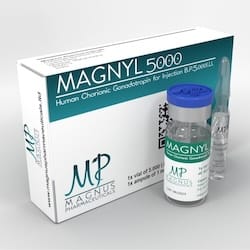
Order HCG 5000 IU Online for Bulk Savings and Fast Shipping
Cost Analysis and Market Trends for HCG 5000 IU
When you start scouting for HCG 5000 IU for your endocrine studies, you’ll notice a wide price spectrum. Most people see individual units starting at $87.99, but if you pull the trigger on larger quantities, those prices plummet. It is a common trend in the peptide market where volume equals savings.
Think of it like your morning caffeine fix. You can pay a premium for a single cup at a local cafe every day, or you can buy a bulk bag of beans and save a mountain of cash. The logic is identical for high-purity research peptides.
If you are just getting your feet wet with a new lab setup, a single vial is a fine starting point. However, if your research is a marathon rather than a sprint, you need a smarter procurement strategy to keep your project afloat.
At the $87.99 entry level, you are paying for the luxury of immediacy. It is a great way to vet a supplier’s reliability and shipping speed without committing to a massive stockpile. It’s basically a low-stakes trial run before you go all in.
But don’t get stuck in the retail trap. If your studies are ongoing, that $87.99 per vial will bleed your budget dry faster than you’d expect. You need to look at the long-term horizon to ensure your lab stays financially sustainable.
The Math Behind Retail and Bulk Buying
The real magic happens when you look at the gap between retail and wholesale models. Retailers make their money by offering convenience, which means you pay a hefty markup for small quantities. This is fine for a quick test, but it becomes a money pit for longitudinal research.
Wholesale options are the heavy lifters of the peptide world. By grabbing multiple vials in one go, you dodge those massive retail margins. You are essentially trading a larger upfront cost for a much lower price per individual vial.
It is like buying a crate of soda instead of a single can from a vending machine. I have watched many researchers burn through hundreds of dollars by staying stuck in the retail cycle. They could have halved their expenses by simply switching to a bulk model.
Managing your overhead effectively is the difference between a successful project and a bankrupt one. What this means for you is that you need to stop thinking about the immediate price and start thinking about your total research lifecycle.
| Order Format | Typical Price | Ideal Use Case |
| Single Vial (Retail) | $87.99 | Initial testing and small sample runs |
| Bulk/Wholesale | Variable (Lower per unit) | Long-term research endeavors |
Smart Budgeting for High-Quality Research
If you want to maximize every cent of your budget, you must hunt for vendors that don’t hide their data. Reputable names like SwissChems are great because they offer the transparency you need to verify your supplies. You shouldn’t be handing over $87.99 for something unverified.
I always tell my colleagues to demand a third-party Certificate of Analysis (COA). This piece of paper is your proof of purity and potency. If a supplier refuses to show their lab results, walk away immediately. You need 99% purity or higher to get valid research data.
While you are browsing, you might stumble across poseidonrx.com or other names on various supplier lists. It is vital to compare everyone to see who hits that ”sweet spot” of fast shipping and fair pricing. Look for free shipping or tiered discounts, as they really add up.
The bottom line is that the cheapest vial isn’t always the best deal. A $70 vial with low purity means you’ll have to use more of it to get your desired concentration. This actually drives your real cost per dose much higher. Always prioritize potency over a cheap sticker price.
Assessing Quality Through Rigorous Lab Verification
If you want your research to hold water, you cannot settle for anything less than 99% purity when sourcing HCG 5000 IU. Aiming for this specific benchmark ensures you aren’t inadvertently introducing unwanted manufacturing leftovers or lingering solvents into your environment. Always make a habit of requesting a third-party Certificate of Analysis (COA) to verify that the actual potency matches the label. This step is non-negotiable if you want reliable results in your reproductive-endocrinology investigations.
Think of it like building a house. If the foundation is riddled with cracks or mixed with poor-quality sand, the entire structure eventually collapses. In the world of molecular biology, even a tiny amount of contamination can derail your entire dataset. You aren’t just purchasing a vial; you are purchasing the absolute certainty that your experimental data will be accurate.
Chasing that 99% purity mark is essentially about cutting out the background noise that ruins a clean experiment. Cheap, low-grade substitutes frequently carry stabilizers or various contaminants that trigger strange, unpredictable reactions in a biological model. For a serious researcher, these pesky outliers represent a massive drain on both your budget and your precious time.
The truth is that ”close enough” is a dangerous mindset in high-level laboratory work. If a supplier brags about their high-grade status but stays silent when you ask for raw data, they are selling you a guessing game. Stick to the 99% gold standard to keep your scientific trajectory on a steady path.
Understanding Your Certificate of Analysis
When you are navigating the complex peptide market, a Certificate of Analysis (COA) should be your most trusted ally. This document serves as an official report from an outside lab that confirms the specific traits of a single batch. It acts like a birth certificate for your sample, providing proof of exactly what is contained within that glass vial.
Once you have a COA in your hands, skip straight to the ”Assay” percentage. This metric reveals the true concentration of the active peptide compared to what the manufacturer claims. Since you are looking for 5000 IU, you want to see an assay figure that hits that target with incredibly tight precision.
I always advise my peers to scrutinize the sections for ”Heavy Metals” and ”Residual Solvents.” These are the silent saboteurs of a clean study. A high-quality COA will show these elements are either completely non-detectable or sitting far below the strict safety limits required by industry professionals.
Don’t let all that technical shorthand intimidate you. If the paperwork looks like a confusing jumble of random numbers without a clear breakdown of purity, you might be looking at a fake test. A professional-grade COA must be organized, clearly dated, and tied to a specific batch number to ensure you can track it through your records.
Why Testing Matters in Endocrinology
Studies in the field of reproductive-endocrinology are incredibly sensitive to even the smallest shifts in hormonal signaling. Because HCG functions by mimicking natural hormones, its strength must be measured with extreme, pinpoint precision. If your HCG 5000 IU arrives at only 85% potency, your entire endocrine model is essentially skewed from the very first day.
Successful research depends on getting the same results every single time you repeat a procedure. If you start a study in the winter and finish in the spring, the substance must remain identical. This is why lab-tested HCG is the backbone of long-term studies; it eliminates ”product drift” as a variable in your scientific equations.
I once watched a researcher struggle with a failed replication because they swapped to a different batch of peptides that hadn’t been properly vetted. They thought they had stumbled upon a breakthrough in biological response, but in reality, they had just accidentally changed their dosage. It was a devastating waste of incredible resources.
What this means for you is that cutting corners is never an option. Investing in verified, lab-certified materials is the only way to ensure your findings are both reproducible and worthy of publication. You are building a scientific legacy, and that work is only as solid as the chemicals you use to build it.
Here is how different research-grade material tiers typically compare in the current market:
| Material Category | Purity Rating | Market Price |
| Elite Research Grade | 99%+ | $87.99+ |
| Standard Lab Grade | 95% – 98% | $60.00 – $75.00 |
| Wholesale Bulk Grade | 99%+ | Varies (Bulk Discounts) |
Comparing Premium Peptides to Low-Quality Options
Telling the difference between premium research peptides and bottom-tier alternatives often requires looking past the slick marketing. Low-quality products are frequently poorly synthesized or simply repackaged, meaning they are loaded with unreacted precursors or various salts. These aren’t just small impurities; they act as distractions that pull you away from your actual research goals.
On the other hand, premium peptides undergo intense purification techniques, such as High-Performance Liquid Chromatography (HPLC). This sophisticated process works to isolate the specific molecule you want from every other substance in the mixture. When you pay for a premium product, you are paying for the advanced tech required to reach that level of surgical cleanliness.
You will see vendors like Platinum Bio Labs that make their high-purity standards a centerpiece of their brand. Sourcing from reputable suppliers ensures you are receiving a product built for precise science, rather than a cheap substitute created just to increase a vendor’s profit margins.
The hidden price tag of a ”budget” peptide usually reveals itself during the most critical moment. When your results become inconsistent and your subjects stop responding to treatments as expected, you will wish you had paid the extra few dollars initially. In the grand scheme of things, quality is always the most cost-effective choice for a serious scientist.
How Your Package Travels to You
How fast your supplies arrive depends mostly on where you live and where the warehouse sits. If you’re in the States, domestic shipping is usually a breeze, getting to you much quicker. However, if you’re ordering from Europe, you might face a longer wait as things clear customs.
I’ve noticed that the most reliable sellers try to get everything out the door by the very next business day. They want your research materials in your hands without any unnecessary delays. It’s a sign of a professional operation when they treat your timeline as a priority.
When you are working against the clock, your physical location becomes a massive factor in your success. I always tell my peers that if you are based in North America, stick with a US-based source. It is a total no-brainer because you’ll be using local courier networks.
Using domestic services helps you skip that dreaded scenario where a box sits in a customs warehouse for weeks. You want your HCG 5000 IU to arrive through the front door, not get lost in a bureaucratic limbo somewhere in the middle of the Atlantic.
Ordering from overseas, especially from European hubs, is a different ballgame. While the caliber of European lab goods is top-tier, you have to prepare for the ”border dance.” This is that awkward period where officials inspect your package before it finally hits your doorstep.
The bottom line is that you need to manage your inventory like a pro. Don’t wait until you’re down to your last vial to realize you’re empty. I recommend placing your next order at least two weeks before you actually need it, particularly if the package has to cross oceans.
To make things easier, I’ve put together a quick breakdown of what you can expect based on where you are located:
| Where It Ships From | Expected Delivery Time | Customs Probability |
| United States (Domestic) | 3–7 Business Days | Minimal |
| European Union (International) | 7–21 Business Days | Moderate |
Discretion and Speed Protocols
In a lab setting, time is a precious commodity. You shouldn’t settle for a vendor that treats ”next-business-day dispatch” as a mere suggestion. You want a company that actually hands your package to the carrier within twenty-four hours of your order being processed.
If a supplier misses that initial window, it can throw your entire experimental schedule into chaos. It’s like a domino effect for your research. You need a partner that understands the importance of a quick turnaround time to keep your studies on track.
Privacy is just as vital as getting your items quickly. Since you are handling sensitive hormone-related research materials, your package shouldn’t scream ”biological substance” to anyone walking by. You don’t want your neighbors or the mail carrier getting curious about your shipments.
I’ve seen researchers get incredibly anxious when a box arrives with loud, bright, or obvious labels. A truly high-quality vendor avoids this entirely by using neutral, non-descript shipping containers. This protects the contents while keeping a low profile, ensuring your research environment stays strictly professional.
What this means for you is that you can shop with total peace of mind. When a company prioritizes discreet shipping, they aren’t just being polite—they are showing respect for your privacy. It is a clear hallmark of a supplier that truly understands the scientific community’s needs.
Sidestepping Shipping Obstacles
Even with the best intentions, things can sometimes go sideways with logistics. One of the most frequent headaches I see is incorrect address formatting. It sounds simple, but forgetting an apartment number or mistyping a zip code can cause your package to be sent back to the sender.
Always take an extra second to double-check your details before you hit that ”buy” button. It’s a small step that saves you a massive amount of frustration later. Being meticulous with your shipping info is the easiest way to avoid unnecessary delays.
Customs delays represent another major hurdle for many researchers. This usually happens when the paperwork is inconsistent with what’s inside, or if the declared value looks a bit suspicious to the agents. To keep things smooth, make sure your documentation is incredibly clear.
Some researchers find that using Crystal Peptides helps because they specialize in streamlined EU shipping processes. This focus on efficiency is designed specifically to minimize those annoying customs headaches that often plague international orders.
Here is a little piece of advice: never stop tracking your package. Don’t just sit back and assume it will show up on the day they promised. Most modern carriers give you real-time updates, so keep a close eye on those tracking numbers.
If you notice a ”held in customs” status that lasts more than three days, don’t just sit there. Reach out to the vendor immediately. They might be able to provide the extra documentation needed to get things moving again.
Lastly, keep an eye on the thermometer. If you are ordering sensitive materials during a massive heatwave or a brutal winter, standard shipping might not cut it. In those specific cases, you might want to pay a little extra for expedited or climate-controlled shipping to ensure the integrity of your 5000 IU compound remains intact.
Detailed Properties for Scientific Research
HCG 5000 IU serves as a concentrated glycoprotein hormone, frequently utilized in the field of reproductive endocrinology. In your lab, this specific dosage acts as a consistent metric for measuring how biological systems react to external stimuli. It functions as a Luteinizing Hormone (LH) mimetic, essentially tricking cellular models into following specific hormonal pathways.
When you introduce this peptide into a study, you are essentially observing how the body’s natural signaling is replicated. This capability makes it an indispensable tool for any research focused on reproduction. It doesn’t just wander aimlessly through the system; it binds specifically to receptors to drive testosterone production or support the luteal phase during experiments.
What this means for you is that precision is everything when dealing with such potent molecules. If the peptide fails to dock properly with its target receptor, your entire data set becomes junk. This is why aiming for a purity level of 99% or more is the difference between a successful breakthrough and a wasted week in the lab.
Treat this substance with the gravity its biological activity demands. You aren’t just moving a chemical around a tray; you are managing a signal capable of flipping biological switches. Always design your experiments with this high level of reactivity in mind to avoid unexpected results.
How It Works Inside the System
Think of HCG as a master key designed to fit into very specific locks within the endocrine system. It specifically seeks out the Luteinizing Hormone/Chorionic Gonadotropin (LH/hCG) receptors. You will find these receptors located on theca cells in females or Leydig cells in males, serving as the trigger for vital physiological actions.
The way it operates is quite elegant. Once it hits the receptor, it mimics the body’s own internal commands. This makes it incredibly useful for scientists trying to study the delicate dance of hormonal regulation in controlled environments.
The binding affinity is the heart of the matter. If that connection isn’t perfect, the biological response won’t be either. When you’re working at the edge of modern science, you can’t afford to leave anything to chance regarding how these molecules interact.
I’ve seen many newcomers try to rush the process, but you have to respect the chemistry. If the receptor isn’t engaged correctly, the rest of the experiment is just noise. Focus on that binding step, and the rest of your data will follow suit.
Comparing Doses and Scaling Logic
In many of your controlled protocols, you’ll notice a clear jump between 5,000 IU and 10,000 IU concentrations. I often recommend the 5,000 IU vial as the gold standard for those who need to standardize their incremental dosing. It provides the granular control necessary to adjust dosages without tossing out precious material.
A 10,000 IU dose, however, is a much heavier hitter. Scientists typically reserve this for protocols where a massive, sudden spike is required to bypass existing biological feedback loops. Using 10,000 IU when 5,000 IU would suffice is like using a sledgehammer to hang a tiny picture frame—it is just too much force.
The bottom line is that your selection must depend entirely on your specific experimental goals. For long-term, low-level stimulation, the 5,000 IU concentration is usually the wiser, more controlled path. Excessive dosing can trigger ”receptor desensitization,” where the system simply stops responding because it’s being shouted at too loudly.
Don’t fall into the trap of thinking ”more is better.” I have seen brilliant researchers blow their budget by jumping straight to the highest available concentrations. In the peptide world, precision is king; stick to the math of your protocol to keep your results reproducible.
Handling and Preservation Protocols
When conducting clinical studies on live subjects, intramuscular (IM) administration is the standard delivery method. This involves injecting the solution directly into muscle tissue to ensure a steady, slow release into the bloodstream. It is a much more controlled approach than intravenous methods, which tend to hit the system all at once.
However, the real headache in the lab is maintaining stability. Peptides are notoriously finicky molecules; they can ”denature” or unfold if they aren’t handled with extreme care. Once that structural shape is lost, the peptide can no longer bind to its receptor, making your entire stock useless.
To keep the integrity of your samples intact, you must follow strict environmental rules. Most high-quality HCG must stay in a refrigerated state, typically between 2°C and 8°C (36°F to 46°F). If you are working with a lyophilized (freeze-dried) powder, the requirements for temperature control become even more stringent to prevent degradation.
Here is a pro tip from someone who has seen many ruined vials: avoid the ”freeze-thaw” cycle. Every time you pull a vial from the fridge, let it reach room temperature before you work with it, then return it immediately. Rapid temperature swings are the silent killers of peptide potency. Invest in a dedicated, high-quality laboratory refrigerator if you want to protect your inventory.
| Storage Factor | Requirement | Risk of Neglect |
| Temperature | 2°C to 8°C (Refrigerated) | Peptide Denaturation |
| Light Exposure | Dark/Opaque Containers | Photodegradation |
| Stability State | Lyophilized (Powder) | Rapid Oxidation |
How to Pick a Reliable Supplier and the Right Product
To keep your experiments on track, you need to hunt for suppliers that offer independent Certificate of Analysis (COA) reports and purity levels hitting 99% or higher. Don’t settle for less. Reliable vendors focus on research-grade peptides, providing stable, lyophilized powders and transparent data to back up their claims.
Avoid any unverified sellers who can’t show you their work. If they lack proper documentation, you’re playing with fire. Impurities can totally wreck your biological study or mess up your entire set of lab results. It is simply not worth the risk to your data integrity.
I always tell my peers to treat a vendor like a high-stakes laboratory partner rather than a casual retail shop. You aren’t just picking up a glass vial; you are purchasing the certainty that the molecular structure remains perfectly intact for your work.
If a supplier gets prickly or refuses to hand over a recent COA—that crucial document proving chemical purity—get out of there immediately. That is a massive red flag that should make you walk away. You need to know exactly what is in that liquid before it ever touches your bench.
When you sit down to build your vetting checklist, make sure these non-negotiables are at the very top:
- Independent Testing: Proof from a third-party lab that the purity is real.
- Freeze-Drying Quality: Confirmation that the peptide is lyophilized to stay stable.
- Precise Labeling: Clear, unambiguous concentration marked in IU.
- Secure Logistics: Shipping methods that protect against temperature swings.
I have watched researchers throw weeks of hard work down the drain just to save a few bucks on a ”gray market” site. They’ll get a vial that looks visually fine, but the contents are chemically dead on arrival. If the price feels too good to be true, it almost certainly is.
What this means for you is that your detective work starts long before you click that order button. Seek out vendors who treat you like a professional peer. A legitimate operation will have transparent shipping rules, deep product specs, and an easy way to request lab documentation.
Comparing Top-Tier Research Laboratories
Not all peptide companies are built the same way. When you start weighing heavy hitters like Crystal Peptides against Platinum Bio Labs, you’ll notice they take different paths to serve their clients. Platinum Bio Labs puts a massive emphasis on high-purity standards, often highlighting 99%+ purity and COA verification for their HCG 5000iu stock.
On the flip side, Crystal Peptides operates as a specialized European powerhouse. They lean hard into that 99% purity metric and focus on getting shipments out to researchers across the EU with incredible speed. Your choice really depends on where your lab sits and which testing protocols match your specific needs.
The bottom line is that specialized labs exist because they focus on a very specific niche. They aren’t generalists trying to sell everything from vitamins to supplements. They live and breathe the delicate chemistry of peptides, which usually leads to much better stability and consistent potency from batch to batch.
Here is a pro tip from someone who has been there: always verify the exact IU concentration you need. Sometimes, a lab might only carry 10,000 IU vials, which forces you to do manual dilutions in the lab. If your protocol demands the precision of a 5,000 IU vial, buy the pre-measured version to save time and avoid math errors.
The Dangers of Unverified Sources
Buying from random, non-specialized sources is like walking a tightrope without a safety net. You might make it to the other side, or you might fall hard. These unverified vendors often skip the rigorous quality control needed to stop degradation. This results in ”denatured” peptides—broken molecules that simply won’t work in your study.
The danger isn’t just about losing money; it’s about corrupting your data. If your HCG 5000 IU sample is only 85% pure when you were promised 99%, your results are skewed. You won’t be able to tell if a biological reaction was caused by your test variable or just some random impurity.
Keep these specific risks on your radar when evaluating a new, unproven vendor:
- Chemical Instability: Products that degrade because the shipping environment was too hot.
- Incorrect Potency: Vials claiming 5,000 IU that actually hold much less.
- Contamination: The presence of bacterial endotoxins or heavy metals.
I have seen colleagues struggle to replicate their own successful findings just because they switched vendors halfway through a long-term project. Consistency is the bedrock of good science. Once you find a source that actually meets your standards, stick with them to keep your longitudinal data clean.
Maintaining Research-Only Compliance
You have to keep the legal and ethical lines of peptide procurement crystal clear. Most high-grade HCG 5000 IU is sold under a ”research use only” mandate. This means the stuff is strictly for laboratory investigations and is never meant for human or animal consumption. It’s a vital legal shield for the company.
When your shipment arrives, the labels should leave no room for doubt. You should see very specific language stating the product is for laboratory research purposes. This isn’t just red tape; it dictates how you must handle, store, and document the substance to stay compliant with your local laws.
If you are operating in a professional lab, make sure your internal procurement reflects these rules. That includes:
- Documentation: Maintaining a strict, detailed log of how every compound was used.
- Storage: Keeping your research peptides physically separate from other materials.
- Disposal: Following standard biohazard protocols for any expired or unused stock.
The bottom line is that professionalism is your best defense. Treating these compounds as strictly research materials protects both your reputation and your lab’s standing. Don’t let a small slip in protocol turn a routine research project into a massive regulatory headache. Treat every single vial with the gravity it deserves.
Trackbacks & Pingbacks
[…] Buy Hcg 5000 Iu […]
[…] Order Hcg 5000 Iu […]
[…] Hcg 5000 Iu […]
[…] Hcg 5000 Iu Online […]
[…] Hcg 5000 Iu […]
[…] Hcg 5000 Iu […]
[…] Buy Hcg 5000 Iu […]
Kommentering är stängd.