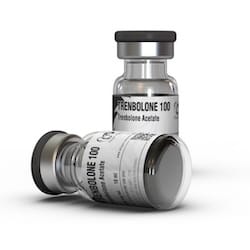
Secure Your Tren Ace Supply Online Today
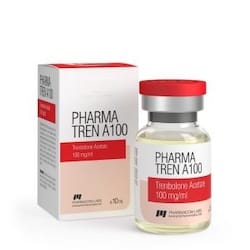
Tren ace

Secure Your Tren Ace Supply Online Today

Navigating the Tren Ace Procurement Landscape

If you want to get this right, you need to grasp the massive gap between research-grade CAS 10161-34-9 and materials meant for medical use. You shouldn’t just grab any random container of powder. For any legitimate scientific study, you must track down analytical reference standards that hit a purity level of 98% or higher.

I always suggest hunting for small laboratory vials from respected names like Cayman Chemical or LGC Standards. Avoid the temptation to buy massive bulk shipments of raw chemicals. It is a common pitfall for those just starting out.

Think of the marketplace as a deep, unpredictable ocean. The surface might look calm and uniform everywhere, but the currents underneath are wildly different. A vendor offering huge amounts at a dirt-cheap price is usually throwing a giant red flag your way.

When you are chasing precision science, you aren’t searching for a massive pile of powder. You are actually hunting for a lighthouse of accuracy. You need something that guides you through the fog of uncertainty.

Real lab work lives and dies by a strict 98% purity threshold. If your substance falls below that mark, your entire experiment might go sideways. Fluctuation in purity turns your precious data into a pile of unscientific guesses.

It is much better to pay a higher price for total certainty than to squander weeks on results that are essentially useless. The bottom line is that precision is your best friend in the lab.

You will notice that the cost of these high-purity standards can jump around quite a bit. Market volatility plays a huge role in what you pay for a tiny vial compared to a larger shipment. It is a tricky dance between supply and demand.

The unwary often get blindsided if they aren’t staring closely at the technical specifications. Always keep a sharp eye on the details before you open your wallet.

Distinguishing Grade and Purity

The first lesson is mastering the difference between pharmaceutical-grade items and CAS 10161-34-9, which is the specific chemical ID for this molecule. Pharmaceutical grades are strictly for clinical environments. Conversely, research-grade substances belong only in a lab setting.

Mixing these two categories up is a mistake you only get to make once. It can derail your entire project before it even starts. Pay close attention to the intended application of the material.

As you scan different vendors, you might stumble upon sites like poseidonrx.com or other specialized sellers. However, if your goal is pure scientific inquiry, you must seek out analytical reference standards. These are the tools used to verify the identity and cleanliness of other samples.

I have watched many researchers fall into the trap of confusing bulk quantities with small vials. Bulk chemicals are often sold in massive, unrefined amounts for industrial manufacturing. On the other hand, small-scale laboratory vials are measured out with extreme precision for testing.

Trying to use bulk material for a precise assay is like trying to perform brain surgery with a sledgehammer. It is simply the wrong tool for the job. You need surgical precision for your testing.

What this means for you is that the label is far more important than a low price. Always double-check that the CAS number matches the molecule you are actually seeking. If the paperwork doesn’t align with the chemical structure, walk away immediately.

Sourcing from Trusted Authorities

If you want to do this the right way, you have to stick with the heavy hitters. Companies like Cayman Chemical offer the high-fidelity standards that researchers depend on every single day. These aren’t some random backyard operation; they are established scientific institutions.

Another top-tier choice for specialized needs is LGC Standards. They provide very specific products, such as the TRC-T719080, which are built specifically for high-level analytical testing. Using these recognized brands takes a massive layer of guesswork out of your daily workflow.

This allows you to focus on the actual science instead of constantly troubleshooting your materials. You want to spend your time thinking, not fixing errors caused by poor supplies.

By sourcing from a true authority, you are buying much more than just a chemical. You are actually purchasing a guarantee of consistency. That peace of mind is worth every single cent when you are working against a tight budget or a deadline.

Keep a close watch on how prices shift, as they often mirror how complex the purification process was. A $200 vial might seem expensive compared to a $20 option from a random source. However, that $200 vial is the one that likely carries the 98% purity certificate you need.

You can’t actually trust your results without that level of certainty. Don’t let a cheap price tag trick you into wasting your time and your research budget.

Source Category Primary Application Purity Level
Analytical Standard Laboratory Testing ≥98% (High)
Bulk Chemical Industrial/Manufacturing Variable
Pharmaceutical Grade Clinical/Medical Strictly Regulated

The Chemistry and Molecular Blueprint

Think of trenbolone acetate as a modified version of nandrolone, specifically designed for high-impact research. Its core structure is a 19-nor steroid, but it carries a distinctive double bond at the third position. By adding an acetate ester to the 17β position, chemists drastically change how the molecule behaves and how long it stays active.

This specific modification is what allows the ester to cleave rapidly once it enters a biological system. It turns a raw, unstable molecule into a highly potent tool for laboratory settings. Without this adjustment, the compound would likely vanish from the bloodstream much too quickly to be useful for any serious study.

The real magic happens at the 17th carbon, where that acetate ester sits. You can view this short-chain fatty acid derivative as a biological stopwatch. It dictates the speed at which the substance hits the bloodstream, providing a level of control that the base molecule simply cannot offer on its own.

I always tell my colleagues that the architecture of a molecule is the foundation of your entire project. If the chemical structure is flawed, your whole timeline will fall apart like a house of cards. You have to know the exact makeup of your material before you even begin your first protocol.

Structural Details and Potency Levels

In the lab, names can sometimes feel like a different language. You might run into terms like Trenbolone 17β-Acetate or even RU-1697. Don’t let these terms throw you off; RU-1697 isn’t a different chemical entirely. It is simply a way to label the high affinity this specific steroid has for androgen receptors.

The ”19-nor” label is a massive clue regarding its strength. This means the molecule is missing the carbon atom at the 19th position, making it significantly more powerful than standard testosterone. This tiny structural shift is the primary driver behind the intense biological reactions researchers see during assays.

Stability is where the acetate ester really earns its keep. By attaching this group to the 17β position, the molecule becomes much easier to handle in a lab environment. It stays intact much longer, ensuring that what you pull from the vial is exactly what you expected to find.

What this means for you is a guarantee of reproducibility. In my experience, if your chemical is unstable, your data will bounce around like a pinball. You cannot draw solid scientific conclusions if your samples are constantly degrading; you need consistency to prove your findings are real.

The Necessity of Rigorous Verification

Why do I get so obsessed with CAS numbers? Because a number like 10161-34-9 is the only way to know for sure what is in your container. Names can be translated incorrectly or used loosely, but a CAS number is a unique digital fingerprint that is impossible to fake.

I have seen researchers throw thousands of dollars down the drain because they trusted a label instead of a verified ID. If the CAS number on your paperwork doesn’t match your shipment, stop right there. It is a massive red flag that the purity of your material is a gamble you shouldn’t take.

When we talk about purity, we aren’t just saying the sample is ”clean.” We are looking for a specific threshold, typically 98% or even higher. This level of cleanliness ensures that the results you see are caused by the actual molecule, not by some random byproduct lurking in the mixture.

The bottom line is that your results are only as reliable as your starting materials. A sample that is only 90% pure contains 10% of ”other stuff” that could completely skew your entire dataset. Always insist on a detailed Certificate of Analysis (CoA) to confirm those exact purity levels.

If you are looking to source high-fidelity reference standards for your lab, take a look at these typical price points.

Sourcing Category Standard Amount Estimated Price
Analytical Reference Standard 10 mg $150
High-Purity Research Vial 100 mg $450
Bulk Laboratory Grade 1 g $1,200

Navigating the Procurement of Pure Research Materials

Hunting for high-purity reagents means diving into the specialized world of lab marketplaces. You will find that costs for 100mg or 10mg quantities shift depending on the scale and the refinement level. You have to keep a sharp eye on CAS numbers and prioritize vendors who utilize cold shipment methods to protect delicate molecules.

Always remember to play by the rules regarding ”research use only” labels to stay compliant. It is a legal necessity when you are acquiring high-level analytical standards. If you miss these details, you’re just throwing money into a void of non-compliance and wasted effort.

Think of your supply chain like a high-performance racing engine. If you pour in cheap, low-octane fuel, that engine is going to sputter and die. In your lab, chemical purity serves that same vital role. You aren’t just grabbing a container of powder; you are purchasing the foundation for consistent, valid data.

I have watched brilliant researchers lose everything because they tried to chase the lowest price per milligram. They end up with a vial of useless sludge that refuses to dissolve. When dealing with high-affinity molecules, being cheap is actually the most expensive mistake you can make.

The bottom line is that your budget must reflect your demand for precision. When you are running high-stakes assays, there is zero room for guessing. You need to verify the exact percentage of purity and the precise molecular weight before that box ever hits your porch.

Price Tiers and Sample Sizes

As you start shopping, the price gap between bulk reagents and analytical standards will jump out at you. Analytical standards are the heavy hitters used for equipment calibration. Because they arrive in tiny, incredibly concentrated doses, the price per milligram is naturally much higher than other supplies.

Expect to pay a premium for a 10mg sample. The manufacturers spend a fortune on the intense purification processes required for such small amounts. Think of this as the ”micro-dose” of the laboratory world; it’s perfect for quick testing rather than massive, long-term experiments.

Once you move up to the 100mg tier, the math starts to change in your favor. You get a much larger volume of material, yet you are still working with high-purity supplies. This is often the sweet spot for specialized studies that require multiple trial runs without draining your entire budget.

What this means for you is the need for a tactical approach to ordering. Don’t waste money on a 100mg batch if you only need a tiny speck for calibration. Conversely, don’t try to power a month of research on a mere 10mg vial. Map out your mass requirements before you swipe your card.

Quantity Intended Application Expected Cost
10 mg Testing or Calibration $150 – $300
100 mg Standardized Research Trials $400 – $750

Managing Cold Chain and Logistics

Some molecules are incredibly temperamental and hate heat, light, or even a bit of movement. This is why ”cold shipment” is non-negotiable for certain items. This method uses insulated containers paired with dry ice or gel packs to keep the temperature steady during transit.

If a product requires a cold chain, it’s because the molecular structure breaks down at room temperature. If you get a package that should have been frozen and it arrives lukewarm, the chemistry is likely ruined. You’ve essentially bought an expensive, useless pile of waste.

I always advise my peers to read the ”storage requirements” on the datasheet before they buy. If the label says ”store at -20°C,” you better have a freezer ready for the moment that package arrives. You can’t leave it sitting on a doorstep waiting for the mailman.

Official documentation will tell you exactly what the temperature needs are. If you ignore those rules, you are playing a dangerous game with your experimental variables. Real precision starts with how you handle the delivery truck.

Establishing Supplier Credibility and Compliance

The legal side of this industry is a maze of ”research use only” labels. This distinction is everything. It signals that the material is strictly for laboratory testing and not intended for clinical use or human consumption. This label acts as a vital legal shield for the seller.

As you navigate this, make sure your lab setup is legally prepared to receive these materials. This usually requires specific permits or a legitimate institutional affiliation. Trying to dodge these rules by faking a ”research” setup is a fast track to a legal nightmare.

When vetting a supplier, look far beyond a flashy website. You need a Certificate of Analysis (CoA) for every single batch you buy. A CoA proves that the substance has actually been tested to meet its promised purity levels. If a company makes it hard to find one, walk away.

Never take their marketing word as gospel. Look for third-party verification and a history of reliable, transparent shipping. A reputable vendor will be open about their sourcing and documentation. If they act shady about their protocols, they are probably cutting corners on the actual chemistry too.

Packaging Integrity and Global Shipping

Sending materials across international borders adds a massive layer of headache to your plans. You have to deal with customs, various regulatory bodies, and much longer transit times. This increases the chance of temperature spikes that can destroy your sensitive compounds mid-journey.

When you compare different vendors, look closely at how they pack their goods. Do they use double-walled, reinforced boxes? Do they utilize vacuum-sealed layers? You want a supplier that handles your order like a piece of delicate technology, not just a random parcel in a pile of cardboard.

The timeline is another massive factor to consider. An international order might take three days or it might take three weeks. If you are on a deadline, the chaos of customs can be a nightmare. I have seen researchers lose entire weeks because a shipment sat in a hot customs warehouse.

The bottom line is to always prepare for the worst-case scenario. Assume the shipment will take longer than expected and might face a temperature surge. If a supplier can’t guarantee robust, climate-controlled shipping, they aren’t the right partner for serious research.

Side-by-Side Look at Popular Options

Sorting through different options requires a keen eye on price efficiency, esterification rates, and overall purity. Premium samples, such as Maxtreme Pharma’s Tren-Ace-Max, are often engineered to meet rigorous laboratory benchmarks for their potency.

At the same time, the way a molecule is structured through varying concentrations or different esterified versions will fundamentally change its metabolic pace. This shift directly influences how subjects in power sports experimental protocols react to the substance under study.

Measuring Purity Against Scientific Benchmarks

Think of Maxtreme Pharma’s Tren-Ace-Max as a tool built specifically for high-intensity research. To see if it’s worth your investment, you need to weigh it against standard laboratory benchmarks. These metrics serve as the industry’s yardstick, used by analytical chemists to confirm that a substance matches its label exactly.

A huge mistake many people make is chasing a bargain and ignoring the actual purity percentage. If you are working in a controlled environment, you really only want compounds with a concentration of ≥98%. Anything less introduces messy impurities into your variables, which can throw your entire data set out of alignment.

I’ve seen researchers burn through months of work because they didn’t realize their ”99% pure” supply was actually loaded with residual solvents or heavy metals. Always demand a Certificate of Analysis (CoA) before you buy. If a distributor gets defensive about showing you the exact chemical profile, treat that as a major red flag regarding their manufacturing integrity.

What this means for you is that you should aim for ”analytical reference standard” grade quality whenever possible. These are substances made specifically for high-precision testing. While the upfront cost might sting a bit more, the consistency they provide acts as the bedrock for any repeatable, scientifically sound laboratory study.

Esterification and Concentration in Sports Research

In the realm of power sports research, the ”packaging” of a molecule is just as vital as the molecule itself. This is where esterification comes into the conversation. An ester is a chemical group attached to the base to act as a ”timer,” changing how quickly the body absorbs the substance.

When you are comparing 200 mg units, you have to check the concentration of the active ingredient inside the carrier liquid. A 200 mg dose might be split between 1 ml or 2 ml of solvent. This specific concentration determines the liquid’s viscosity and how accurately you can measure the dose during an experiment.

The ”ester” portion of the name, such as the acetate found in Trenbolone Acetate, dictates the speed of the compound’s action. Acetate esters are known for being ”fast-acting,” meaning they hit the system hard and fast but also exit just as quickly. This creates a sharp peak and a rapid drop-off, which is a tricky variable to manage in any study.

The bottom line is that different esterified versions create different metabolic profiles. Some researchers want the steady, even levels provided by longer-acting versions, while others need the sudden onset of shorter esters. You must align the chemical’s ”release profile” with your specific research goals to avoid seeing weird data spikes.

The Relationship Between Cost and Quality

Let’s get real about the budget. You might see a $50 price tag and think you’ve scored a massive win, especially if the next guy wants $150. However, in chemical sourcing, you aren’t really paying for the liquid itself; you are paying for the verification that it’s actually pure.

To understand the real cost-to-purity ratio, you have to do a bit of math. If a $50 vial only hits 70% purity, you are actually paying more for every milligram of active material than if you had purchased a $100 vial with 99% purity. It is a classic case of ”you get what you pay for” in action.

Spotting high-quality synthetic compounds often comes down to watching for specific physical signs. A top-tier liquid should be crystal clear, with absolutely no visible sediment or ”floaties.” If the liquid looks cloudy or has gunk at the bottom, the compound has likely degraded or failed during the filtration stage.

You also want to look for stability in batch numbers. Reliable suppliers will ensure their chemical profiles stay consistent from one production run to the next. If the potency jumps around between orders, your research is essentially being built on shifting sand. Stick with providers who treat their chemistry with pharmaceutical precision.

Metric High-Quality Sign Low-Quality Warning
Purity Level ≥98% (Proven via CoA) Unknown or <90%
Visual Clarity Completely Transparent Cloudy, oily, or contains sediment
Price Logic Aligns with purity Unrealistically cheap

Lab Safety and Operational Standards

Working with Trenbolone Acetate demands a highly regulated workspace where safety gear is never optional. You need to operate within a controlled setting that utilizes top-tier protective equipment and intense containment measures. It is vital that researchers utilize high-purity reference markers to establish a baseline for both potency and cleanliness.

Think of your workspace like a pilot’s cockpit during a storm; a single slip in your routine can crash the whole mission. Handling a substance this potent is more than just a science task. You are wrestling with a high-impact variable every single day.

I have watched many newcomers approach chemical work with a casual attitude, only to have their entire study ruined by a tiny bit of cross-contamination. You have to respect every single milligram. That means using your own dedicated glass tools, perfectly calibrated pipettes, and a station that is scrubbed clean between every single test run.

What this means for you is that your surroundings dictate the quality of your data. If your lab is a mess, your results will be a mess too. You need a protected setup—ideally a fume hood or a secondary containment system—to ensure any airborne particles or spills are trapped and neutralized before they can reach you.

Why Benchmarking with Standards is Crucial

You wouldn’t try to measure the distance to the moon with a common school ruler, so why would you test a new chemical batch without a fixed benchmark? This is why using an analytical reference standard is a non-negotiable part of the job. These are exceptionally pure samples, often hitting a purity level of ≥98%, which help you calibrate your diagnostic machines.

Without these specific benchmarks, you are essentially flying through thick fog. If you want to verify that your current inventory matches what the label claims, you need a known quantity to act as a comparison. This validation process, which frequently utilizes liquid chromatography, lets you confirm the exact concentration and identity of what you are holding.

The bottom line is that your scientific integrity rests on this foundation. If you are investigating metabolic shifts, you can’t afford a moving baseline caused by fluctuating material potency. Using a high-purity standard ensures that any observed effects come from your experimental variables rather than a random flaw in the chemical’s makeup.

I often suggest to my peers that these standards serve as the ”North Star” for any serious lab. They provide a constant, unmoving point of truth in a world of shifting concentrations. Spending the money on premium standards might sting upfront, but it keeps you from the heartbreak of realizing a six-month study was based on faulty data.

Regulatory Compliance and Personal Protection

When you are managing high-potency chemicals, your personal protective equipment (PPE) is your primary shield. This involves much more than just a basic lab coat. You need the right mix of eye shielding, respiratory protection, and nitrile gloves. You must act as if every speck of dust or every minor splash is a direct exposure risk.

A massive part of managing these substances involves following strict labeling laws. You will see reputable vendors clearly state that their goods are intended for research purposes only and are not meant for human consumption. This distinction is critical for both legal protection and physical safety. These materials are crafted for controlled scientific study, not for use in biological organisms.

The truth is that the purity required for a controlled laboratory environment is on a totally different level than what you might find in other markets. By restricting these items to research-only use, manufacturers help shield the scientific community from the legal headaches and ethical traps of unregulated use. This keeps the focus strictly on the data and away from the dangers of unmonitored biological testing.

You also need a rock-solid plan for handling spills. Keep a specialized kit nearby that features absorbent materials and neutralizers specifically designed for organic compounds. If a vial cracks, don’t go hunting for paper towels; you should already be executing a practiced, professional containment procedure.

Optimizing Storage to Stop Degradation

You can think of chemicals as being somewhat ”alive”—they react, they change, and they eventually decay. To stop this breakdown, you must master the ”Big Three”: temperature, light, and oxygen. Trenbolone Acetate, particularly when it is in its acetate ester form, is quite sensitive to environmental stressors that can tear apart its molecular structure.

To keep things stable over the long haul, I highly suggest using a dedicated, temperature-controlled space. Many of my colleagues use laboratory-grade freezers or refrigerators to keep their stocks stable. If you notice the liquid becoming thicker or seeing any sediment appear, take that as a warning that the compound is degrading and is no longer reliable.

What this means for you is that your storage habits directly impact your wallet. If you leave your stock in a warm spot or an unsealed jar, you are basically watching your money evaporate into thin air. A $200 vial that turns into useless sludge in just a few months is a massive, avoidable mistake that a $20 vacuum container could have prevented.

Always run your inventory using a ”First In, First Out” (FIFO) method. Even in the best possible conditions, every chemical eventually hits an expiration date. By rotating your stock and keeping a close eye on the expiration dates listed on your COAs (Certificates of Analysis), you ensure you are always working with the freshest, strongest material.

Environmental Factor Optimal State Risk of Breakdown
Heat Refrigerated (2-8°C) High (Heat speeds up decay)
Light Amber Glass / Dark Storage High (UV causes breakdown)
Air/Gas Sealed / Inert Atmosphere Moderate (Oxygen causes oxidation)

Secure Your Premium Tren Supply Online Today

Tren

Secure Your Premium Tren Supply Online Today

Analyzing the Potency of Trenbolone Acetate in Lab Settings

When you’re diving into high-level research, the speed of a compound’s action is often your primary concern. Investigators frequently turn to Trenbolone Acetate (CAS 10161-34-9) because it kicks into gear much faster than its longer-lasting cousins. It’s a heavy hitter that allows us to map out anabolic pathways with incredible urgency.

Precision is your best friend in the lab, so never cut corners on verification. You must strictly adhere to ”research use only” guidelines and verify every CAS number to keep your findings legitimate. If your starting material isn’t exactly what you think it is, your whole study might be a house of cards before the first trial even starts.

The Role of Ester Modification in Molecular Behavior

Think of the ester as the steering wheel of a molecule; it determines which direction and how fast the compound travels through a biological system. Even a minor tweak to the base structure can fundamentally change how a substance behaves metabolically. That’s why understanding steroid chemistry starts with looking at that specific attachment.

Trenbolone Acetate (CAS 10161-34-9) utilizes a short acetate ester, which essentially acts like a fast-burning fuse. This particular configuration leads to a much shorter half-life compared to other versions. It’s a specific tool designed for scientists who need to observe immediate physiological shifts rather than slow, creeping changes.

On the other end of the spectrum, you have Trenbolone Enanthate (CAS 1629618-98-9). This version uses a much longer enanthate chain, which functions like a slow-release reservoir. This chain slows down the rate at which the compound enters the bloodstream, providing a steady, stable presence over a prolonged duration.

If you are hunting for the cleanest materials, it’s worth checking out vendors like poseidonrx.com to compare different chemical profiles. Always cross-reference your Certificate of Analysis against the expected CAS number. A single error in your sourcing phase can lead to skewed data that is impossible to replicate later on.

How the Molecule Influences Animal Growth Models

To truly grasp why this substance is so influential, you have to look back at its origins in the farming industry. Engineers originally developed Trenbolone to supercharge muscle development in horses and cattle. It works by driving up nitrogen retention, which effectively signals the body to prioritize tissue construction.

In studies involving bovine or equine models, this compound proves to be an incredibly aggressive anabolic agent. It latches onto androgen receptors with an intensity that leaves many other substances in the dust. This high affinity is the secret sauce behind the rapid lean muscle gains observed in veterinary growth studies.

What this means for you is that you are dealing with a substance that is profoundly anabolic. In lab terms, this refers to the rapid assembly of proteins from simpler components. When you observe this process under a microscope, the sheer velocity of protein synthesis can catch you off guard.

The biological mechanism essentially acts as a master key for cellular growth. By flooding the androgen receptors, the compound instructs cells to favor muscle building over fat accumulation. This makes it a vital instrument for any researcher looking to study extreme hypertrophy in controlled animal environments.

Staying Within Legal and Laboratory Boundaries

Navigating the murky waters of chemical regulations requires a very steady hand. You must maintain a crystal-clear understanding of ”research use only” status. This is a strict designation: the material is strictly for investigation within a lab and should never be intended for clinical use or human consumption.

When you invest in high-purity samples from specialized suppliers, you aren’t just paying for the substance; you’re paying for consistency. Aim for USP-grade (United States Pharmacopeia) samples whenever possible. These undergo intense scrutiny to ensure no contaminants sneak in to derail your experimental results.

The bottom line is that your facility must follow rigorous protocols to stay on the right side of the law. This involves keeping airtight logs of every chemical you acquire. You have to be vigilant to ensure that no materials are diverted from their intended research purposes.

Always keep a sharp eye on the fine print in your vendor’s service terms. Many of the top-tier distributors will refuse to ship to anyone without a verified institutional address. This rule exists to keep potent substances like Trenbolone Acetate locked within the professional scientific community.

Chemical Variant CAS Number Primary Research Use
Trenbolone Acetate 10161-34-9 Rapid-acting metabolic studies
Trenbolone Enanthate 1629618-98-9 Long-term growth modeling

Evaluating Costs and Acquisition Options for Trenbolone Acetate

Prices for Trenbolone Acetate fluctuate wildly depending on the market’s current state. You’ll find that your final bill depends heavily on your required concentration and how much you are ordering at once. If you are just grabbing a small batch for testing purposes, expect to pay between $50 and $150 per unit.

When you move into the realm of large-scale academic studies, the price per milligram tends to drop significantly. This is a classic case of economies of scale. Buying in bulk is essentially your leverage to secure more stable pricing from a vendor. The bottom line is that volume changes the math.

Think of your shopping list like a trip to the jewelry store versus a yard sale. A specialist vendor offers incredible stability and confirmed cleanliness. Meanwhile, general suppliers usually move lower-grade industrial stuff at a much lower price point. You have to decide if you need a precision instrument or just something to pass the time.

If you are just looking for something that roughly works, any source will do. But in scientific work, this choice determines if your data is pure gold or complete trash. If a vendor offers a massive shipment at a suspiciously low price, keep your guard up. That discount might just be a mask for degraded or dirty material.

Consider the real cost of a failed study. Wasting a whole month of research because your reagent was 90% pure instead of the required 99% is a massive financial hit. Don’t let a cheap sticker price ruin your entire budget. Sometimes, the most expensive option is actually the one that works the first time.

Navigating Supplier Classes and Delivery Methods

You will generally run into two main categories of vendors. The first group consists of specialized chemical houses that cater strictly to the scientific community. These people live for high-purity standards and provide every single piece of documentation you could possibly ask for. They are the only real choice for a professional lab setting.

Then you have the general laboratory distributors, which function like the supermarkets of the chemical world. They stock a massive variety of goods and can be much more budget-friendly for industrial-grade uses that don’t require extreme precision. They are fantastic for basic solvents, but they often lack the strictness needed for high-end hormonal studies.

Shipping is a whole different beast that can catch you off guard. Certain sensitive batches actually need to travel in cold conditions to prevent thermal degradation. You aren’t just paying for the chemical itself; you are also paying for the temperature-controlled transit and the specialized insulation required to keep the sample stable.

I have seen researchers burn through a huge chunk of their funding just on shipping costs. If a supplier tells you that sending a temperature-sensitive compound via ”standard ground” is perfectly fine, run the other way. High-tier materials require high-tier handling. If they can’t get the shipping right, they probably aren’t managing their chemistry correctly either.

Here is a quick look at how the costs typically break down across different procurement tiers:

Procurement Type Typical Quantity Estimated Price Range
Specialized Research Sample 200 mg $50 – $150
Standard Lab Grade 1 gram $200 – $400
Bulk Industrial Grade 10 grams+ $1,200 – $2,500
Ultra-High Purity (USP) Small Vial $150 – $300

What Drives Purity and Quality Standards

The gap between premium manufacturing and cheap industrial stuff usually boils down to the ”purity profile.” Top-tier materials undergo several intense refinement stages to scrub away any residual solvents or metabolic leftovers. This ensures that when you run your tests, you are actually measuring the substance you intended to study.

Industrial-grade stuff is a different animal entirely. These products are made for massive manufacturing runs where precision isn’t the top priority. They stay much cheaper because they skip those expensive purification steps. Trying to use these in a precision experiment is like trying to perform brain surgery with a steak knife.

Ultimately, your purity levels decide what you pay per milligram. A sample sitting at 99.9% purity is going to cost exponentially more than one at 95%. You aren’t just paying for that extra 4.9% of matter; you’re paying for the high-tech equipment needed to reach that perfection. It is a fee for the certainty of your results.

You need to look for the ”fingerprint” of real quality. This means demanding a clear, detailed Certificate of Analysis (CoA) and a verified CAS number. If the vendor starts acting cagey or the numbers look blurry, walk away immediately. In this line of work, your professional reputation is only as solid as the chemicals you use.

Evaluating Acetate versus Enanthate Esters

The core distinction boils down to how long the ester chain stays attached to the trenbolone. Acetate is a fast-acting option that floods the bloodstream almost immediately. You will notice sharp peaks in concentration followed by a sudden drop. This makes the experience quite jagged if you aren’t careful.

Enanthate works on a totally different timeline. Because the ester is longer, it enters the system with a measured, slow release. This provides a much more leveled-out profile. You get steady, enduring concentrations that don’t bounce around wildly throughout the day.

Imagine you are managing your energy levels. Acetate is the caffeine hit from a double espresso; you feel an instant surge, but you’ll crash hard once it wears off. It is a high-octane choice that demands constant vigilance to avoid the side effects caused by those physiological swings.

Enanthate, conversely, behaves like a slow-release nicotine patch. The larger molecular structure takes its sweet time to break down. This leads to a far more consistent journey with fewer of those uncomfortable ”rollercoaster” sensations. It is the go-to when you need rock-solid stability during your research.

The bottom line is a trade-off between quick reaction and steady flow. If your protocol demands you tweak concentrations on a dime, the acetate version is your primary tool. If you want a flat line where levels remain predictable day in and day out, the enanthate ester wins every time.

Metabolism and How Long They Last

The ”ester” is essentially a chemical handle we attach to the base steroid to dictate its release rate. Acetate is a tiny, lightweight chain. Because it is so small, the body’s internal enzymes can snip it off the moment it hits the blood. This results in an incredibly brief metabolic half-life.

Enanthate is a much heavier, more complex beast. Your body needs a significant amount of time to process this larger molecular structure. This creates a ”reservoir effect” within your tissues, where the substance is released into the circulation in a slow, measured trickle over many days.

This difference in size creates massive volatility for acetate users. Because it vanishes so quickly, you might encounter significant dips in your concentration levels between sessions. These rapid shifts can lead to ”crashing,” where the effects disappear abruptly, making it a nightmare to maintain a steady baseline.

The enanthate ester effectively kills this volatility. By slowing down how fast the body absorbs the compound, it prevents those scary spikes and troughs. For a serious researcher, this level of predictability is worth its weight in gold. It allows for precise control since the substance stays in play much longer.

Practical Lab Applications

Deciding between these two isn’t just a chemistry problem; it’s a scheduling problem. If you are running a high-frequency study that requires you to adjust dosages on a daily basis, acetate is your best friend. It allows for rapid adjustments to your experimental variables because of its fast turnover.

However, if you are diving into a long-term study and want to remove ”timing of administration” as a variable, enanthate is the clear winner. It grants you much more freedom in your schedule. You won’t be constantly racing against the clock to keep levels steady, which results in much cleaner data sets.

You also need to keep an eye on the viscosity of your liquid. Some trenbolone enanthate preparations can feel thick or even oily. This might make the actual delivery process a bit of a headache compared to the thinner, easier-to-handle acetate solutions. Always test your carrier oil compatibility before you dive in.

Your choice effectively defines your entire daily workflow. A researcher working with acetate is like a pilot fighting constant crosswinds, constantly making micro-corrections to stay on course. A researcher using enanthate is like a long-haul captain cruising on autopilot. Pick the pilot your specific protocol requires.

Comparing Injection Schedules

With the acetate ester, there is zero room for error. If you miss even a single dose, the levels in your system will plummet. To keep the concentration within a specific experimental window, you will likely need a very strict, often daily, administration routine.

Enanthate is much more forgiving of a busy schedule. Since it lingers in the system, you can often go several days between doses without witnessing a massive crash in blood concentration. This makes it much more manageable for anyone working in environments where minute-by-minute precision is difficult to maintain.

The following table summarizes what you can expect for maintaining steady levels:

Ester Category Typical Interval Stability Rating Crash Risk
Acetate Daily or every other day Low (High Volatility) Significant
Enanthate Every 5–7 days High (Stable) Minimal

Keep in mind that working with acetate is like playing with fire. That rapid breakdown means you are always chasing the next peak. If you prefer a smoother, more professional ride for long-term research, the enanthate ester is the standard choice.

Managing Shipments and Global Procurement

Securing high-purity research chemicals is a high-stakes game that requires mastering complex customs laws and strict thermal requirements. You must hunt for suppliers who prioritize specialized cold-chain logistics to keep your materials intact. Without verifiable tracking, you are essentially playing Russian roulette with the risk of product seizure or heat-induced degradation.

Think of chemical procurement like navigating a dense fog. You can have a flawless experimental design, but if your supplies arrive as a compromised, warmed-up mess, your entire project hits a wall. You have to prepare yourself for the logistical bumps that inevitably occur in this field.

The hard truth is that many high-grade substances are incredibly fickle when exposed to their surroundings. If a parcel bakes inside a shipping container on a sun-drenched tarmac, the molecular makeup can shift. You might not notice the change visually, but your data will scream when purity levels plummet.

What this means for you is that cheap shipping is often a false economy. You have to calculate the ”total cost of delivery.” Saving a few bucks on a standard label means nothing if the chemical arrives useless. Always bake the potential cost of environmental exposure into your initial budget.

Handling Heat-Sensitive Deliveries

When you are working with certain premium compounds, basic ambient transit is simply not an option. You will frequently encounter ”cold shipment” mandates. This process utilizes insulated packaging and specific gel packs to lock in a stable, chilled environment from the warehouse to your laboratory door.

Expect to see a price jump if your provider mandates cold shipment protocols. You aren’t just paying for fancy insulation; you are paying for expedited, climate-monitored transit speeds. Consider this a mandatory investment rather than a luxury if you want to maintain the potency of your laboratory reagents.

I’ve watched researchers try to cut corners by using standard ground mail for items that need refrigeration. It is a reckless gamble that almost always fails. Once that thermal seal is broken, the chemical’s reliability vanishes. In a professional setting, you simply cannot afford that kind of scientific uncertainty.

The bottom line is to align your shipping method with the specific stability needs of your compound. Always scan the technical data sheet before you pull the trigger on a purchase. If the manufacturer demands a specific temperature, hold them to that standard. A top-tier vendor will gladly provide evidence of the temperature maintained throughout the journey.

Clearing International Borders

Moving synthetic steroids across international frontiers is a delicate dance with various customs agencies. Every nation maintains its own unique list of controlled substances. A substance that cruises through a laboratory in one country might be flagged as restricted the second it touches a different border.

Remember, customs officers aren’t there to hold your hand; they are there to enforce strict regulations. If your paperwork has even a minor error, they won’t call to fix it. They will simply confiscate the package and hold it indefinitely, creating a nightmare for researchers who rely on strict timelines.

To sidestep these headaches, ensure every shipment is correctly labeled using Harmonized System (HS) codes. These codes act as the global language for international trade. One wrong digit can trigger unnecessary inspections or lead an agent to misclassify your materials as something far more illicit.

Your best defense is total transparency and precision in your documentation. Trying to ”smuggle” items through by mislabeling what’s inside is a fast track to disaster. If an official spots a discrepancy, you lose the package, your money, and potentially your standing with local regulatory authorities.

Verifying Documentation and Quality

If you are operating a legitimate research facility, your paperwork must be bulletproof. A professional vendor should always include a Certificate of Analysis (CoA) with your delivery. This piece of paper is your proof that the substance inside the vial actually meets the purity and concentration promised.

You should also expect a complete paper trail, including an itemized packing list and a clear invoice. For legitimate laboratory work, this often includes the Material Safety Data Sheet (MSDS). Never view this as mere ”busywork”—it is the essential safety manual for your lab environment.

Learning how to vet a supplier is an essential skill. Don’t just take a website’s word for it; look for a track record of reliable deliveries and sophisticated tracking. A professional partner will hand you a tracking number the moment the box moves and will have a clear protocol if things get delayed.

Use this checklist to vet your next procurement partner:

  • Does the vendor provide a Certificate of Analysis (CoA) for every single batch?
  • Is there a reliable, real-time tracking system available for your orders?
  • Do they offer specialized, temperature-controlled shipping for heat-sensitive items?
  • Are detailed MSDS documents provided for every chemical agent?
  • What is their official procedure for managing customs seizures or transit delays?

The bottom line is that your experimental results are only as reliable as your supplies. If you can’t trust the delivery, you can’t trust your science. Spend the extra time vetting your vendors to ensure they have the logistical strength to deliver your materials safely and on schedule.

Natural Options and Over-the-Counter Supplements

You will often see ”steroid alternatives” hitting the market, which are really just herbal dietary aids. These products aim to assist with lean mass development through botanical extracts. Unlike Trenbolone, a heavy-duty synthetic anabolic steroid, these pills possess no chemical capacity to mess with your protein synthesis or drive your hormones into overdrive.

Watch out for products like Tren-Max, which vendors push hard as a ”legal alternative” to the real deal. If you are chasing serious transformations, this is a massive red flag. These formulas typically rely on basic building blocks like amino acids or ashwagandha to give your performance a tiny nudge.

Let’s use a metaphor to make this clear: if Trenbolone is like installing a high-performance turbocharger in your engine, these supplements are just a premium gas additive. They might help the car idle a bit smoother, but they will never provide the massive horsepower gain that a serious mechanical upgrade delivers. The gap in real-world results is vast.

What this means for you is a massive gap between what you want and what you get. Many athletes grab these blends thinking they found a loophole to get steroid-level gains without the baggage. The truth is much colder. You are basically paying a steep price for a glorified multivitamin.

The Power Gap: Synthetic Compounds vs. Plant Extracts

When we bring up Trenbolone Acetate, we are talking about a powerhouse synthetic molecule. It is engineered to latch onto androgen receptors with aggressive precision, forcing your anatomy into a state of hyper-anabolism. This is incredibly efficient for building muscle, but it can wreak havoc on your natural hormone production.

On the other hand, you have these herbal mixtures. These are usually just collections of various vitamins, minerals, and herbs tucked into a capsule. While they might assist with your recovery time, they simply do not have the molecular architecture needed to mimic a high-affinity androgen. They can only help you reach your current ceiling.

You must realize that no amount of ”natural” goodness can match the raw strength of a research chemical. Botanical blends offer a slow, barely perceptible shift in your physiology. Conversely, a synthetic steroid hits the system with a sudden, total, and often overwhelming force that disrupts your internal balance.

Comparing these two is like weighing a feather against a sledgehammer. One is designed to crack through walls, while the other is meant to barely tap them. When marketers use the word ”alternative,” they are often just using a clever way to lure in people looking for an easy way out.

Regulatory Status and Safety Realities

The reason you see these products everywhere is because of how the law views them. Most ”steroid alternatives” stay legal by staying in the dietary supplement category. Since they lack controlled substances, they can sit on a shelf at Amazon or in a local shop without attracting federal heat.

But don’t confuse being ”legal” with being ”safe” or ”effective.” They won’t get you arrested, but they aren’t a free pass either. Overdoing certain herbal extracts can actually stress your kidneys or liver quite badly. Just because a label is approved for retail doesn’t mean it is vetted for long-term health.

There is also a huge divide in how the law handles these versus research chemicals. The biosynth website clarifies that compounds like Trenbolone enanthate are strictly for research and not for human use. These follow rigid lab protocols, whereas the supplement industry operates under much more relaxed consumer guidelines.

This creates a bit of a ”Wild West” for the buyer. Research chemicals are tightly controlled and often demand specific paperwork. Supplements, however, often hide behind ”structure-function” claims—vague wording that suggests a product helps a goal without claiming it actually treats a medical condition. It is a massive loophole.

Sorting Through Marketing Hype and Reality

The bottom line is that you need to keep a skeptical eye on everything you buy. When a brand promises a ”safe and legal alternative” to a banned substance, they are playing on your psychology. They want you to enjoy the thrill of the drug without the legal anxiety.

To keep your wallet and your body safe, you need a way to vet these claims. Ignore the flashy packaging or the ”before and after” shots, as those are frequently faked. Instead, flip the bottle over and check the ingredients. If you see a ”proprietary blend,” they are intentionally hiding exactly how much of the active stuff you are actually getting.

Check this table to help you make sense of the different products on the market:

Feature Research Chemicals Dietary Supplements
Primary Mechanism Direct Hormonal Manipulation Indirect Metabolic Support
Legal Status Often Controlled/Restricted Generally Legal/OTC
Expected Impact High/Rapid/Extreme Low/Slow/Subtle
Risk Profile High Systemic Risk Low to Moderate Risk

The truth is often a bit of a buzzkill for those hunting for overnight miracles. If you are serious about changing your physique, no powder or pill will ever replace the heavy lifting and strict nutrition required. Supplements are just the icing on the cake, not the cake itself.

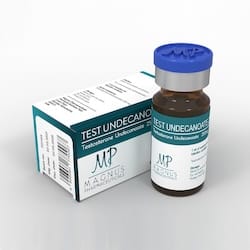
Order Testosterone Undecanoate Online: Secure Your Supply Today

Testosterone undecanoate

Order Testosterone Undecanoate Online: Secure Your Supply Today

Managing Your Testosterone Undecanoate Schedule

Most individuals running testosterone undecanoate settle into a range between 400mg and 1000mg per individual dose. You will generally administer this through an intramuscular injection roughly once every few weeks. Because this particular ester is so lipophilic, it stays parked in your system, trickling into your blood at a very gradual pace.

Rather than enduring the wild hormonal spikes and dips common with shorter esters like cypionate, undecanoate provides a much steadier landscape. Think of it as a gentle, flowing stream instead of a sudden tidal wave. This makes it a stellar choice for guys who want a ”set it and forget it” lifestyle while maintaining consistent hormone levels.

Please, do not just dive into a protocol blindly and hope for the best. Locating your personal ideal dose requires a great deal of patience and a keen ability to observe your own physical responses. If you suddenly deal with breakouts or shifts in your mood, your dosage might be overshooting the mark, or perhaps your timing between shots needs an adjustment.

When you begin hunting for reliable sources, you will encounter a massive variety of vendors. Some guys look at places like poseidonrx.com to gauge which provider maintains the most reliable purity levels. Regardless of the vendor you select, the actual quality of the oil is what ultimately dictates how smoothly your body processes the medication.

Understanding the Cycle Structure

Think of a cycle as the specific window of time you utilize a compound to hit a particular biological target. When dealing with undecanoate, these cycles tend to span a long duration. Because this substance lingers much longer than other varieties, you aren’t just dosing for a handful of days; you are managing a constant state for many months.

You will likely hear folks discussing ”cruise” phases. A cruise is essentially a maintenance period using lower doses between more intense cycles. This helps keep your current hormonal equilibrium stable without chasing massive muscle gains, which serves as a safeguard to prevent your natural production from shutting down entirely.

The primary aim here is to steer clear of the ”rollercoaster effect.” This happens when your levels plummet between injections, leaving you feeling sluggish or low. Since undecanoate acts so slowly, you can stretch your injection intervals much further than a weekly schedule, which helps maintain a very consistent energy level.

I strongly suggest keeping a meticulous diary of every single shot you take. Record the date, the precise milligram quantity, and your physical state roughly three days afterward. This personal data becomes incredibly precious when you eventually sit down with a medical professional to go over your lab results.

Adjusting Doses and Monitoring Health

What this means for you is that a universal, ”one-size-fits-all” number simply does not exist. Your unique age, body weight, and starting testosterone levels all play a role in determining your actual requirements. A man struggling with naturally low levels will need a completely different strategy than someone focused on performance optimization.

You absolutely must track your levels via frequent blood work. This serves as the only true way to verify if you are landing within your desired target range. Try not to rely solely on ”how you feel,” because the human body is remarkably skilled at hiding hormonal imbalances until they develop into significant health issues.

The following chart outlines some common experimental frameworks used by researchers to evaluate different dosing scales:

Goal Typical Dosage Range How Often
TRT (Replacement) 400mg – 600mg Every 3-4 weeks
Optimization 600mg – 800mg Every 3 weeks
Performance Enhancement 800mg+ Consult a specialist

The bottom line is that more is rarely better. In the realm of endocrinology, pushing higher doses often results in diminishing returns alongside unwanted side effects like thinning hair or an enlarged prostate. You should always strive for the lowest amount that still helps you reach your specific health objectives.

If you start noticing issues regarding your blood pressure or hematocrit, it is time to make a change. Elevated hematocrit indicates your blood is thickening, which presents a genuine cardiovascular danger. You can visit the Mayo Clinic website for general education on how different hormones impact your blood health.

A quick piece of advice: If you are transitioning from a short-acting ester such as enanthate over to undecanoate, do not make the switch overnight. You must take into account the residual hormones still circulating in your body from the previous ester to prevent a massive spike in estrogen levels.

Financial Planning and Price Breakdown in USD

Expect your total expenditure for testosterone undecanoate to shift based on where you shop, the substance’s refinement, and the specific milligram count you secure. Typically, you will see price tags ranging from $40 to $150 for a single vial. Buying in massive quantities usually brings the cost per milligram down significantly.

Treat your monthly expenses like a long-distance trek rather than a quick dash. Since this ester stays in your system for a long time, you won’t need the weekly refills common with cypionate. This approach actually reduces your yearly expense per injection, even if that initial vial feels pricey on payday.

You will probably encounter two distinct ways to buy. A standard medical pharmacy offers strict oversight but charges a premium for that security. On the other hand, the research chemical sector offers much lower prices but forces you to double-check the actual potency.

What this means for you is a delicate balance between danger and savings. If you drop $120 on a vial, ensure the potency is exactly what the label promises. Buying a ”bargain” bottle that lacks the promised dosage will eventually lead to medical bills that far outweigh any initial discount.

Analyzing Your Total Expenses

When we sit down to do the math, your personal situation dictates the final number. A person managing medical deficiencies has different financial priorities than a performance enthusiast. One requires steady, dependable deliveries, while the other might chase bulk discounts to stretch their wallet.

I have watched many folks try to outsmart the market by hunting for the absolute lowest price on the web. It is a trap. If the carrier oil is junk or contains contaminants, your body might fight back, leading to costly physician consultations that devour any money you thought you saved.

I recommend calculating the ”total cost of ownership” instead of just the sticker price. You have to account for the testosterone, needles, cleaning swabs, and the periodic blood tests required to make sure you aren’t pushing your body too hard. When you tally everything, the cheapest option often turns out to be the priciest.

The following table offers a quick look at how various purchase amounts typically affect your wallet in today’s market:

Order Quantity Estimated Cost Approx. Cost/mg
Single 100mg Vial $45 $0.45
Triple Pack (300mg) $110 $0.36
Bulk 10-Pack (1000mg) $280 $0.28
Clinical Grade (500mg) $195 $0.39

The bottom line is that your main goal should be consistency. Once you find a reliable vendor who offers fair prices, stay loyal to them. Constantly switching suppliers because your previous source vanished is a massive headache you don’t need.

If you want to learn more about how endocrine levels impact your health, the Mayo Clinic website provides fantastic resources. Grasping the biological mechanics of your body helps you make much sharper choices for your future.

Pro tip: Verify the ”use by” date on any large shipments before you pay. If you grab a massive 10-pack to get a deal but the liquid goes bad in six months, you’ve simply thrown money away. Always match your consumption speed against the expiration date before you click buy.

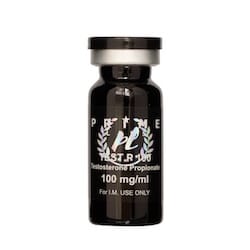
Get Testosterone Propionate Online: Top Rated Suppliers and Quick Delivery

Testosterone propionate

Get Testosterone Propionate Online: Top Rated Suppliers and Quick Delivery

Taming the Fast-Acting Ester

Testosterone propionate functions as a manufactured androgen, featuring a brief propionate ester linked to the core testosterone molecule. This specific structure boasts a quick half-life of roughly 4.5 days. Such a rapid breakdown makes it an excellent instrument for making swift hormonal shifts. Because it works with such speed, physicians can fine-tune androgen concentrations with extreme accuracy during therapeutic interventions.

Think of this particular ester like a sprinter out on the track rather than a steady marathoner. While other versions might linger in your veins for many weeks, the propionate variant enters your circulation with impressive haste. This unique chemical makeup is precisely why it manages to boost your circulating hormone levels so efficiently.

If we dive into the molecular science, you’ll find the propionate ester is simply a tiny, three-carbon sequence. This ”short” arrangement lacks a strong grip on the testosterone molecule. Since it isn’t particularly bulky, your system processes and releases the active hormone much more quickly than the longer-chain varieties do.

The 4.5-day half-life—essentially the window required for your body to clear half of the drug concentration—serves as its hallmark. This high turnover rate ensures that huge levels won’t hang around for weeks. However, the trade-off is that you must administer it much more often to maintain steady levels.

Managing Hypogonadism Therapy

When dealing with hypogonadism—the medical state where testosterone production falls short—this ester can be a total lifesaver. It serves as a high-speed ”jumpstart” for your endocrine system. Doctors frequently utilize it to swiftly rectify low levels when a patient requires immediate physiological changes.

The ultimate aim of therapy is to replicate your body’s natural endocrine patterns as accurately as possible. Certain individuals find that short-acting esters prevent the dramatic ”rollercoaster” sensation often tied to longer-acting options. This approach grants you much tighter command over your daily physical state.

As you scout around different suppliers, you might stumble upon mentions of poseidonrx.com or other vendors while hunting for dependable sources. Just keep in mind that medical-grade hormones require strict clinical oversight to ensure your bloodwork remains in a healthy, safe zone.

The bottom line is that for people facing major deficiencies, this rapid onset is a vital asset. It enables a quick leap into a balanced hormonal state. You won’t be sitting around for weeks wondering if a dose is effective; the feedback loop is much faster.

Dealing with Rapid Hormone Surges

Since this ester enters your system so quickly, it can trigger substantial androgenic spikes. Picture a sudden flash flood in a river; the water level jumps fast, which often creates turbulence. Within your own body, these sudden peaks might trigger side effects like skin breakouts or shifts in temperament.

To flatten these spikes, many pros suggest using frequent, smaller doses. This tactic tries to level out the highs and lows. If you only dose once every seven days, you might feel like you’re on top of the world on Monday, only to crash by Friday.

When you weigh one ester against another, the data looks something like this:

Ester Type Typical Half-Life Primary Benefit
Propionate ~4.5 Days Rapid onset and precise control
Cypionate ~7–8 Days Balanced duration and convenience

What this means for you is a heavy requirement for self-discipline. Running a short-acting ester isn’t a ”set it and forget it” situation. You have to stay extremely vigilant with your timing to avoid the hormonal swings that lead to moodiness or exhaustion. It is a precision instrument for a high-precision task.

You can dig into deeper technical data regarding how these substances are classified via the chemical profiles from lab suppliers. Grasping the molecular weight and specific structure helps you understand why the propionate ester behaves so uniquely compared to its clinical cousins.

Evaluating Propionate, Cypionate, and Combined Formulations

If you opt for testosterone propionate, expect an immediate hormonal shift because of its compact ester structure. However, this speed necessitates a very tight injection schedule to keep your levels from plummeting. On the other hand, cypionate offers a much more prolonged release, which allows for a much lighter dosing schedule.

Mixing these two esters creates a safety net for your hormones. You get the lightning-fast activation of propionate paired with the slow-burning endurance of cypionate. This combination works to iron out the wild swings in your blood serum levels.

Using propionate by itself feels a lot like steering a high-strung racing car through a series of sharp turns. The responsiveness is unmatched, giving you the ability to make incredibly fine-tuned adjustments to your dose. If you start feeling sideways, a minor tweak to your regimen shows up in your bloodwork almost immediately.

That level of precision is a massive advantage when you are fine-tuning clinical results. However, this agility demands a heavy commitment from your daily routine. Because the half-life is so brief, you cannot just inject once a week and forget about it.

You are looking at a rigorous commitment to injecting every few days. If you miss a single session, you might experience a sudden ”crash” in your mood or energy. Solo propionate use often leads to a roller coaster of hormone levels. You might feel like you can conquer the world during a peak, only to face irritability or fatigue as the ester leaves your system.

The Logic Behind Blending Esters

This is where the ”blend” strategy becomes a game changer. By pairing testosterone cypionate with propionate, you are essentially setting up a dual-stage delivery mechanism. The propionate handles the heavy lifting of boosting your circulating levels right away, while the cypionate serves as your steady, long-term fuel.

Imagine you are building a campfire. The propionate acts like the kindling that gets the flames dancing quickly. The cypionate is the thick log that keeps the embers glowing steadily through the night. This partnership helps prevent those massive dips that often plague people relying solely on short-acting esters.

What this means for you is a much smoother physiological experience. The blend helps smooth out the massive ”spikes” that can trigger skin issues or mood swings. It also prevents the ”crashes” that leave you feeling exhausted. It provides a level of steady-state stability that is quite difficult to hit with either ester alone.

Many doctors lean toward this method for patients who find the logistics of daily injections too difficult. With a blend, you might manage to space your doses out more widely without losing that quick onset. It is a smart way to marry biological precision with a manageable lifestyle.

Mastering Frequency and Dosing

The most significant difference you will notice is the clock. When you use a long-acting ester like cypionate, you might only need to think about your injections once or twice a week. This makes it much easier to manage if you have a high-pressure job or travel frequently.

Propionate, however, requires a much higher degree of discipline. Since the concentration in your blood vanishes so quickly, you may need to inject every other day to stay within a therapeutic range. If you try to stretch the gap, you are essentially inviting massive hormonal fluctuations into your daily life.

The bottom line is that your choice depends on how much you can tolerate frequent injections. Some people love the total control that comes with small, frequent doses. Others prioritize the simplicity of a once-weekly routine. It is really a trade-off between absolute control and life convenience.

To help you visualize these different paths, I have mapped out how these options typically look regarding clinical structure and price:

Management Style Dosing Schedule Consistency Price Range
Propionate Only Every 1–2 Days Low (Unstable) $45 – $70
Cypionate Only Once Weekly Moderate $50 – $85
Prop/Cyp Blend 2–3 Times Weekly High (Stable) $60 – $110

The Science of Ester Length and Stability

To grasp why these options behave so differently, we have to dive into molecular structure. An ester is a chemical group attached to the testosterone molecule to control how it is released. The longer the carbon chain in that ester, the more time your body takes to break it down.

A short chain, such as propionate, is very easy for the enzymes in your blood to ”clip” off. This means the testosterone hits your system almost instantly. While this is excellent for making fast corrections, it makes it very difficult to maintain a flat, steady line of hormones over time.

Longer chains, like cypionate, act much like a slow-release capsule. They remain attached to the testosterone for a much longer duration, meaning the hormone enters your bloodstream in a slow, controlled trickle. This creates a much more stable blood serum concentration, which is usually the target for long-term therapy.

You can research the specific chemical profiles to see exactly how molecular weight impacts these results. The physics of the molecule dictates your biological experience; the heavier the ester, the slower the ride.

Managing Your Injection Schedule and Dosing Strategy

Since testosterone propionate has a brief half-life of roughly 4.5 days, you cannot treat it like a once-a-week medication. To keep your levels steady, you’ll need to stay on top of injections every 48 hours. This rapid processing means your body burns through the hormone quickly, making a strict routine non-negotiable.

Typical clinical doses usually fall between 25 mg and 50 mg per shot. Aiming for this range helps you hit your target hormone levels while preventing the wild physiological peaks and valleys that can make you feel terrible.

Think of your body like a high-performance racing machine. You can’t just dump a full tank of fuel in once a month and expect a perfect run; you need those frequent, precision pit stops to keep everything running smooth. If you miss a day, you might find yourself running on empty before you know it.

What this means for you is that consistency is your best ally. If you try to treat propionate like cypionate by injecting it only once a week, you’re setting yourself up for a massive hormonal crash mid-week. That rollercoaster ride often brings irritability, fatigue, and mood swings that make even simple tasks feel like an uphill battle.

The bottom line is that this short half-life is a double-edged sword. On one hand, it gives you incredible, granular control over your levels. On the other, it requires a lifestyle that can handle frequent needle use. It is a choice of biological precision over pure convenience.

Medical professionals often reach for this specific ester when they need to rapidly correct a deficiency or quickly ”shut down” natural hormone production for medical reasons. It offers a level of fine-tuning that long-acting esters simply cannot provide in a clinical setting.

Choosing Your Injection Site and Technique

When you sit down to administer your dose, you’ll likely weigh two main options: intramuscular or subcutaneous. The intramuscular (IM) route involves delivering the medication deep into a muscle, such as the vastus lateralis or the gluteus maximus. This classic method uses well-vascularized muscle tissue to absorb the hormone.

Alternatively, the subcutaneous (SubQ) method targets the layer of fat sitting just beneath your skin. Many modern protocols are actually moving toward this approach. Not only can it be much less painful, but it might also result in a more sustained release into your bloodstream.

The distinction is subtle, but it can significantly change your daily experience. To help you visualize these two methods, I have put together a quick comparison below:

Characteristic Intramuscular (IM) Subcutaneous (SubQ)
Target Tissue Muscle Tissue Adipose (Fat) Tissue
Speed of Absorption Generally Faster Often Slower/Smoother
Discomfort Level Can be higher Typically lower

I have watched many people struggle with the sharp ”sting” of IM shots, only to discover that switching to a shallower SubQ technique makes the whole thing feel like a breeze. Always sit down with your healthcare provider first to decide which method matches your unique anatomy and needs.

Finding Your Ideal Clinical Dosage

In a professional clinical setting, doctors don’t play a guessing game; they use blood work to find your personal ”sweet spot.” While every patient is different, standard protocols for testosterone replacement therapy (TRT) usually aim to keep your total testosterone in the upper half of the normal reference range. It is all about finding a steady balance, not just chasing high numbers.

Some patients find their rhythm with a low-dose, high-frequency method, like 30 mg every other day. Others might need a slightly larger dose to keep up with their specific metabolic rate. The ultimate goal is to reach ”euthyroidism,” which is the state where your hormones stay stable and the symptoms of hypogonadism—the medical term for low testosterone—finally vanish.

Using a compounding pharmacy allows for these highly customized doses to be tailored specifically to your body. This level of precision is exactly what separates a generic medical approach from a truly optimized hormone replacement strategy.

If you start feeling ”off” even though you are following your protocol, don’t reach for a higher dose immediately. Most of the time, the problem is actually your timing. Because propionate is so sensitive to the clock, even a six-hour delay can significantly shift your serum levels.

How to Safely Acquire Your Medication

Think of getting testosterone propionate like booking a flight on a major airline rather than taking a bus from an unknown driver. You must go through a licensed pharmacy that holds proper accreditation. This isn’t just about following the rules; it is about your safety.

You will need a valid prescription from a healthcare professional to get started. Because the law classifies this as a Schedule III controlled substance, you cannot just pick it up anywhere. You must rely on legitimate 503A or 503B compounding pharmacies to guarantee that what you receive is pure and accurately dosed.

Using these specialized facilities ensures that the product meets all federal regulations. It also guarantees that the potency matches what your doctor actually ordered. Cutting corners here is a recipe for disaster.

Navigating the Legal Maze

Trying to manage hormone replacement therapy can sometimes feel like walking through a dense fog. You might find the legal landscape a bit intimidating at first. The Controlled Substances Act places testosterone propionate in the Schedule III category, which means the government keeps a very close eye on it.

The reason for this heavy oversight is the potential for misuse, even when someone is using it for something as straightforward as hypogonadism. Because it is a controlled substance, the authorities want to ensure it is only being used for genuine medical needs.

What this means for you is that you can’t just order this like a supplement or a bottle of vitamins. There is a strict paper trail that follows every single milligram. Every hand that touches your prescription, from the clinic to the pharmacy, must leave a digital footprint for oversight.

The bottom line is that ”gray market” vendors are a massive gamble with your physical well-being. You might think a shady website is saving you some cash, but you could be injecting contaminated or improperly measured liquids. Stick with professionals who follow the law to keep your health on track.

When you start your search, you will likely run into two distinct types of facilities:

  • 503A Pharmacies: These are your standard compounding shops that tailor specific medications to meet the unique needs of an individual patient.
  • 503B Outsourcing Facilities: These are much larger operations that manufacture drugs for a wider patient base and face much more intense FDA inspections.

The Prescription and Verification Journey

You cannot simply walk into a pharmacy and ask for a vial of testosterone. The process starts with a formal clinical evaluation. Your doctor has to verify your actual diagnosis using physical exams and blood work to prove the therapy is a medical necessity for your body.

Once your physician decides you need the treatment, they issue a formal order to a certified pharmacy. This is a legal directive, not a suggestion. The pharmacy then checks that prescription against your existing medical history to confirm everything is legitimate before they begin preparing your dose.

I often tell my peers that the paperwork is just as critical as the medicine itself. If the documentation doesn’t line up perfectly, the pharmacy simply will not ship your order. While the bureaucracy might feel like a headache, it is actually your strongest shield against dangerous or fraudulent drugs.

The beauty of the compounding model is that it caters to you. Instead of a generic, one-size-fits-all solution, you get a concentration that is precisely what your doctor intended for your specific physiology.

Shipping and Secure Logistics

Once your medication is ready to go, the logistics side of things kicks in. Hormone solutions are quite sensitive to the environment around them. You shouldn’t expect to see a plain cardboard box sitting out on a hot porch; that heat could ruin the ester’s integrity.

Most top-tier pharmacies utilize climate-controlled shipping methods to protect your order. This usually involves specialized insulated packaging and temperature-sensitive indicators. If the temperature swings too far in either direction, the chemical structure of the propionate could change, making it ineffective.

You should also expect a high degree of privacy throughout the process. Since these are controlled substances, the packaging stays discreet to protect your personal medical data. Many providers also require a signature upon delivery, so the package doesn’t sit out where a stranger might grab it.

To give you an idea of the logistical flow, here is what a typical high-end procurement cycle looks like:

Stage Action Security Level
Verification Direct communication between doctor and pharmacy High (Encrypted)
Preparation Compounding within a sterile environment High (Strict QC)
Transit Insulated shipping with temperature monitoring Medium (Signature Required)

Navigating Costs and Evaluating Value

Depending on the vendor and the strength of the dose, you can expect to pay between $50 and $150 for a single vial of testosterone propionate. The price tag shifts quite a bit depending on whether you are sourcing through a clinical supplier or a specialized compounding pharmacy. Usually, the cost per milligram depends heavily on how much you order at once and how pure the ester is.

I have seen plenty of folks fall headfirst into the trap of chasing the lowest price. It sounds smart on paper, but you often end up losing money because of irregular dosing or constant shipping charges. You really have to weigh those immediate savings against the long-term goal of maintaining steady hormone levels.

The bottom line is that you have to look at the total investment, not just the invoice for one vial. You are paying for more than just a liquid; you are paying for professional medical oversight, pharmaceutical compliance, and the high-end shipping required to keep the medicine stable. Think of it as paying for your biological equilibrium rather than just a monthly bill.

Choosing Your Procurement Method

You are basically going to run into two different ways of buying. Compounding pharmacies—specifically 503B or 503A facilities—usually demand a higher upfront investment. The trade-off is that they can craft a solution that matches your exact prescription, offering specific concentrations that you simply won’t find in a mass-produced, generic vial.

On the flip side, if you go through direct clinical suppliers, you will likely find more standard, pre-made units. While these often look more budget-friendly at first glance, they lack that custom-tailored flexibility. If your doctor decides you need a tiny dosage tweak to avoid side effects, a standard supplier might leave you stranded.

I always tell my friends to do the math on the price per milligram. A large vial might look like a steal, but if the concentration is weak, you are going to be injecting much more often. That increased frequency will quickly swallow up any ”savings” you thought you were making.

To give you a clearer picture, here is how the market typically divides up its pricing:

Vendor Category Estimated Price Main Value Factor
Compounding Pharmacy $80 – $150 per vial Custom potency and purity
Direct Clinical Supplier $50 – $100 per vial Fixed concentrations
Bulk Wholesale Varies Volume-based discounts

The Economics of Injection Frequency

Because testosterone propionate is a short-acting ester, it hits your system fast but has a quick half-life of roughly 4.5 days. This presents a bit of an economic puzzle. Since it clears your body quickly, you might find yourself needing more frequent shots than someone using a slower-acting option like cypionate.

That extra frequency adds up in ways you might not anticipate. You will spend more on things like disposal containers, alcohol wipes, and syringes. Most importantly, if you are ordering small batches frequently to avoid running out, the shipping and handling costs will start to pile up.

Some people try to get clever by mixing propionate with a long-acting ester, like cypionate, to create a custom hybrid. This approach can help prevent those dramatic peaks and valleys in your hormone levels. Even if the custom blend costs more initially, the ability to inject less often can actually save you money.

What this means for you is that you should have an honest talk with your doctor about your budget and your daily routine. If you struggle to stay consistent, the ”cheaper” short-acting route might lead to expensive medical hurdles if your levels crash. A more stable, even if slightly pricier, method usually wins in the end.

Hidden Price Factors and Variables

A few invisible factors will influence your final bill. The most significant is the concentration of the active ingredient—essentially, how many milligrams of testosterone propionate are in every milliliter. A 100mg/ml vial will naturally cost more than a 10mg/ml vial, even though the potency per drop is totally different.

The complexity of how the medicine is made matters too. If you need a very specific carrier oil or a unique combination of esters, the pharmacy has to put in more labor. That specialized work is reflected in the final price; you are essentially paying for the chemist’s precision and expertise.

Don’t ignore the ”hidden” costs of logistics and regulation. Reputable, accredited pharmacies have to spend a lot on climate-controlled shipping and strict quality control. If you see a price that seems too good to be true, ask yourself if they are simply cutting corners on safety to stay cheap.

The bottom line is to approach the math like a professional. When you are comparing two different quotes, always find a common denominator by calculating the cost per milligram. This allows you to compare apples to apples and ensures you are actually getting real value rather than just a low price for a subpar product.

Order Testosterone Injections Online Today for the Best Value

Testosterone injections

Order Testosterone Injections Online Today for the Best Value

Understanding the Costs of Testosterone Therapy

You might find that the price of testosterone vials dances all over the map, typically landing somewhere between $30 and $150 per unit. These variations usually stem from the specific concentration you need or the reputation of the manufacturer. Whether you opt for expensive, regulated brands or budget-friendly generic options, your choice matters.

How you actually take your medicine plays a massive role in your wallet’s health too. If you are sticking to a weekly or bi-weekly subcutaneous schedule, your monthly overhead will look very different than someone using a different frequency. It is a puzzle where every piece affects the final total.

As you start hunting for supplies, keep a sharp eye on the milligrams of testosterone per milliliter (mg/mL). A lower concentration, such as 100mg/mL, looks like a bargain on the sticker, but it is a bit of a trap. You end up needing to inject much larger volumes to hit your dose, which can turn your routine into a painful, frequent chore.

Evaluating Purity and Potency

Think of pharmaceutical-grade vials as the high-end steak of the hormone world. They are produced in strictly monitored facilities that follow rigid regulatory guidelines to ensure every drop is pure and consistent. If you want absolute safety and peace of mind, this is the gold standard you should aim for.

Generic versions are certainly more wallet-friendly, but they often skip the heavy-duty testing required by major health authorities. It is a bit like buying coffee. You can grab a cheap, sketchy bag from a street vendor, or you can pay extra for a certified organic roast. That cheap cup might save you $10 today, but it might leave you feeling jittery or inconsistent tomorrow.

In this game, stability is your best friend. When you are managing your hormones, you don’t want surprises. You have to decide if the savings on a cheaper vial are worth the risk of impurities. Many people spend time comparing different suppliers, including poseidonrx.com, to find that sweet spot between a fair price and a reliable product.

Before you ever crack the seal on a new vial, make sure you check the batch number and the integrity of the seal. Being careful now prevents a massive headache later. Never let a low price tag blind you to the importance of quality control.

Comparing Injection Styles and Long-Term Savings

The way you deliver your dose is a major factor in your long-term budget. Many guys stick with intramuscular (IM) injections, driving the needle deep into the muscle. While this is the traditional route, the sheer volume of liquid required can lead to higher costs for medical supplies over time.

Then there is the subcutaneous (SubQ) method, which targets the fatty tissue just beneath your skin. It might sound like a minor technicality, but many users find it much easier to handle at home and significantly less painful. This approach can actually save you money because it allows for smaller, more frequent doses that keep your blood levels steady.

Let’s run the numbers together. If you are dropping $50 every week on a specific brand, you are looking at a $200 monthly bill. However, if switching to a more concentrated vial via a different method brings your cost down to $120 a month, you’ve just handed yourself an extra $80. It is a simple math problem that pays massive dividends over a year.

  • Intramuscular (IM): The standard muscle-based approach; often requires a larger volume of liquid.
  • Subcutaneous (SubQ): Injections into fatty tissue; generally considered more comfortable.
  • Concentration (mg/mL): The specific measurement of active hormone within each milliliter.

Navigating Global Markets and Pricing Shifts

The market for these supplies is never static; it shifts like the tides. If you decide to source your gear from international locations, prepare for some serious price swings. Between changing manufacturing laws in other countries, rising shipping fees, and unexpected customs duties, the price you see today might not be what you pay tomorrow.

Sourcing from certain global hubs can be a double-edged sword for your bank account. You might find incredible deals on bulk orders, but you have to account for the ”hidden” costs. I’m talking about potential customs delays or the risk of items getting lost in transit. It is rarely a straight line from the factory to your front door.

The bottom line is that being a smart buyer requires a healthy dose of patience. Resist the urge to jump at a ”too good to be true” deal found on a random internet forum. Those are often traps. Stick with vendors who have a solid reputation; sometimes, paying a little extra is the cheapest way to buy peace of mind.

Vial Category Price Range (USD) Main Cost Driver
Standard Generic Vial $30 – $50 Mass production and bulk sourcing
Premium Brand Vial $80 – $150 Rigorous purity testing and regulation

Where to Find Your Supply

Where you live plays a massive role in how easy it is to get your medication. Many guys end up searching through overseas markets, looking toward places like Suriname or Cyprus to track down certain types of formulations.

While shopping across borders can certainly save you a significant amount of cash, it isn’t a simple task. You have to dance around complex shipping routes, deal with unpredictable customs officials, and, most importantly, make sure the person selling the goods isn’t running a scam.

I’ve seen plenty of guys spend weeks trying to figure out the best way to get their vials delivered. It is a balancing act between saving a few bucks and actually receiving a pure, effective product in your hands.

Navigating the International Landscape

Think of this whole global market like a vast, unpredictable ocean. Some people find much smoother sailing in territories like Cyprus, where the rules surrounding medical supplies aren’t quite as rigid as they are elsewhere.

Other folks set their sights on Suriname, hoping to tap into different supply chains that offer much lower price points. It is a territory defined by both massive opportunities and very real dangers that can catch you off guard.

The truth about shipping things across the world is that the road is rarely a straight line. You aren’t just paying for the actual hormone; you’re paying for the complex journey that liquid must take to land in your mailbox.

Customs agents in your own backyard act as the ultimate gatekeepers of your package. If your delivery looks even slightly suspicious to them, it might end up sitting in a government holding cell or simply tossed in the trash.

What this means for you is that you have to be prepared for packages that simply never show up. Things get lost in the shuffle of international logistics all the time. I always tell my friends to treat these orders like a calculated gamble.

The bottom line is that you should never try to stock up for the entire year in one single order. Start with a small test shipment to see how your local customs office handles the specific items you are trying to bring in.

The Truth About Doctors and Safety

In many regions, trying to get a formal prescription for Testosterone Replacement Therapy (TRT) can feel like you are fighting an uphill battle. Medical professionals are often incredibly cautious about prescribing hormones without demanding a mountain of expensive, invasive blood work.

While these strict requirements exist to keep patients safe, they also create a massive void in the market. When legitimate channels are blocked, people naturally look for alternatives, which opens the door for some very shady players.

This is where the danger of fake products enters the picture. Because the demand is sky-high, many ”gray market” sellers have popped up offering dirt-cheap prices, but those vials might contain nothing but cheap mineral oil or incorrect hormone levels.

Messing with your endocrine system with the wrong concentrations is a heavy price to pay for a bargain. To stay safe, you have to be a bit of a private investigator yourself when choosing a vendor.

A legitimate company will usually offer clear documentation or independent third-party lab results to prove their quality. If a website looks like it was built in the late nineties and promises ”no questions asked” shipping, run the other way. If it feels too easy, something is usually wrong.

To help you get a better idea of the landscape, I have laid out a quick breakdown of how different buying methods tend to stack up. Keep in mind that these are just rough estimates for your planning.

Purchase Method Expected Monthly Cost Risk Profile
Local Pharmacy (Prescription) $80 – $150 Low
Trusted International Vendor $40 – $70 Moderate
Unverified Gray Market $15 – $30 High
Bulk Import (Customs Risk) $30 – $50 High

Double-Checking Your Source

Once you have picked a vendor, don’t just go for the lowest number on the screen. You really need to vet them by looking at historical data and what the community has to say about them.

I often see guys using community forums to track specific batch numbers or to see how long shipping actually took for other users. This kind of boots-on-the-ground intelligence is often worth much more than a shiny marketing website.

When your package finally arrives, check those vial seals immediately. If the liquid looks cloudy instead of clear, or if the top feels loose, do not put that in your body. It is much better to lose a little cash than to deal with the permanent fallout of injecting something impure.

At the end of the day, your health is the most important thing you own. Saving money is a great goal, but you shouldn’t sacrifice your hormonal balance just to save a few extra bucks. Treat your sourcing like a high-stakes investment: do your homework, stay skeptical, and always put the quality of the medicine first.

How to Manage Your Dosing and Injection Routine

Most treatment plans lean on long-acting esters, specifically Testosterone Cypionate or Testosterone Enanthate, to keep things moving steadily. You will deliver these through either an intramuscular or subcutaneous method. Timing your shots is where the magic happens; staying consistent prevents those jagged hormonal spikes and crashes that can ruin your week.

Think of it like a slow-burning fuse rather than a sudden explosion. If you miss the mark on timing, you might feel like you are riding a wild ride of mood swings and fatigue. The goal is always a smooth, steady cruise through your hormonal cycle.

Picking the Right Ester and Schedule

When you sit down with your doctor, you will likely weigh the merits of Testosterone Cypionate versus Testosterone Enanthate. These substances are ”esters,” which are essentially chemical anchors attached to the hormone. They act much like a slow-release timer on a candle, ensuring the medication trickles into your system over time.

Cypionate is a frequent flyer in many clinics because it offers a very reliable, extended release. Enanthate performs a similar job, though your unique metabolism might cause it to behave slightly differently. You are chasing that ”sweet spot” where levels stay high enough to feel great, but not so high that they cause trouble.

What this means for you is that your injection schedule is your most important tool. A single massive dose once a week often causes a massive spike followed by a sudden crash. This ”rollercoaster effect” is notorious for leaving people feeling irritable or exhausted as their levels swing wildly.

To avoid those deep valleys, you might find success by splitting your weekly amount into two smaller shots. Instead of one heavy hit every Monday, try injecting smaller portions on Monday and Thursday. This strategy keeps your blood chemistry much more stable, which is the primary goal of any hormone therapy.

Navigating Injection Sites and Methods

Where you place the needle can change your comfort levels and how your body absorbs the dose. The classic approach is the intramuscular (IM) method. This requires injecting the liquid straight into the muscle, typically targeting the gluteus maximus or the vastus lateralis on your outer thigh.

Because muscles have a high concentration of blood vessels, they are excellent for steady absorption. You might encounter a bit of a learning curve with some soreness or small lumps if your technique is off. However, once you get the hang of it, it becomes second nature.

Lately, many people are gravitating toward subcutaneous (SubQ) injections instead. This involves targeting the layer of fat just under your skin, often in the thigh or abdominal area. It is generally a much more painless experience and is quite easy to manage yourself at home.

Your choice between these two methods depends heavily on your individual biology. Some people notice that SubQ shots cause faster testosterone spikes. If you struggle with mood stability, sticking to the traditional intramuscular route might be your best bet. Always run these options by your healthcare provider first.

Taming the Hormonal Rollercoaster

The ”rollercoaster effect” is a real thief of well-being. It occurs when your levels soar immediately after a shot, only to plummet before your next scheduled dose. You might feel like you are on top of the world on Tuesday, but feel completely drained by Sunday. This inconsistency can be brutal on your mental state.

The bottom line is that consistency is your best friend. If your energy levels feel like a seesaw, your current protocol likely needs a slight adjustment. Often, simply increasing how frequently you inject—rather than changing your total weekly milligrams—is the most effective way to level out those highs and lows.

I highly recommend keeping a personal journal of your symptoms. Track the day you inject and any shifts you notice in your libido, energy, or mood. This information is absolute gold when you meet with your doctor to fine-tune your milligrams. It turns a guessing game into a precision-engineered plan.

Navigating Brand-Name vs. Generic Testosterone

Deciding whether to go with a name-brand or a generic version often boils down to a tug-of-war between your wallet and your need for peace of mind. Both options aim to deliver the exact same hormone to your bloodstream. However, many people find themselves paying a premium just to ensure a certain level of manufacturing certainty.

When you look at the big players, you will see names like Depo-Testosterone. These products are the heavy hitters, crafted by massive pharmaceutical corporations under incredibly tight supervision. Many doctors treat them as the gold standard because their quality control is ironclad. You can trust that every single milliliter contains the precise dosage listed on the bottle.

On the flip side, generics act as the reliable workhorses of your treatment plan. These are chemically identical to their expensive counterparts, meaning the active ingredient is the same. For the vast majority of men, there is no noticeable difference in how they feel. It is much like choosing a store-brand cereal; it hits the spot just as well as the name brand.

What this means for you is a fundamental choice regarding your budget. If you want to save money, generics are a brilliant way to keep your therapy sustainable. Just make sure you are buying from a reputable source. Avoiding counterfeit meds is non-negotiable if you want to stay safe while saving cash.

Comparing Costs and Effectiveness

The price difference between these two paths can start to feel like a gut punch when you look at your yearly spending. Brand-name drugs often carry a significant ”reputation tax” that can quickly drain your savings. For those living on a fixed budget, these extra costs can make it incredibly hard to stay consistent with therapy.

Generics are built to compete on price, which is why they are so much cheaper. You might see a generic vial for around $30, while the brand-name version might jump up to $80 or higher. You are essentially paying for the convenience of a famous label. It is a classic medical trade-off that every patient faces at some point.

Product Category Estimated Monthly Cost Main Advantage
Brand-Name $150 – $250 High Brand Trust
Generic $40 – $90 Significant Savings

The bottom line is that, in terms of results, they are mostly a wash. Most guys report that switching to a generic doesn’t change their physical or mental state one bit. The real difference isn’t in your muscles or your mood; it’s the extra cash staying in your bank account instead of going to a big corporation.

Learning to Read Your Lab Work

You cannot effectively manage what you refuse to measure. Trying to fly blind by just ”feeling okay” is a risky move when your hormones are involved. You need the hard evidence from a full blood panel to confirm you are landing in that healthy physiological range. Think of your lab report as a GPS for your health.

When you sit down with your results, do not get distracted by just the ”Total Testosterone” number. That single figure can be a total liar. You absolutely must check your Free Testosterone, because that is the hormone actually available for your body to use. If your total looks high but your free levels are low, you’re going to feel like a zombie.

I suggest you pay close attention to your Sex Hormone Binding Globulin (SHBG) levels. This protein essentially acts as a sponge, soaking up your testosterone and making it unavailable to your cells. If your SHBG is running high, you might feel low-T symptoms even if your total levels look like they are off the charts.

A solid medical review should also keep an eye on your hemoglobin and hematocrit levels. These markers tell you how thick your blood is. If your testosterone gets too high, your blood can become sluggish and thick, which puts extra strain on your heart. Keep a digital or physical folder of every single lab result you ever get.

Understanding Esters and Their Half-Life

Think of a drug’s ”half-life” as a timer. It represents how long it takes for the concentration of the medication in your system to drop by exactly fifty percent. This timing is controlled by the ester attached to the hormone. Think of the ester as a chemical anchor that determines how slowly the hormone is released.

Short-acting esters, such as Testosterone Propionate, have a very rapid half-life. This means the hormone hits your system fast and disappears just as quickly. You would likely need to inject every day or every other day to avoid a massive hormonal crash, which is a massive headache for most people’s schedules.

Long-acting esters, like Testosterone Cypionate or Enanthate, are the industry’s bread and butter for a reason. They have a much longer half-life, meaning they drip into your system slowly over a week or so. This leads to much more stable hormone levels and means you aren’t poking yourself with a needle nearly as often.

What this means for you is a choice between stability and flexibility. A longer-lasting ester is much easier to manage on a daily basis, but if you have a bad reaction, that hormone stays in your system for a long time. Mastering this timing is the secret to finding the perfect rhythm for your specific body.

Navigating the Risks and Medical Oversight

You shouldn’t treat hormone replacement like a DIY project in your garage. Attempting to self-administer testosterone without a physician’s watchful eye is a gamble with your health, potentially leading to issues like infertility or cardiovascular strain. Professional supervision is your safeguard, ensuring that your biomarkers remain within a healthy range.

A doctor does more than just write a script; they act as a vital safeguard against complications like thickening blood or excessive estrogen conversion. By working with a specialist, you can fine-tune your dosages with precision. This keeps your entire hormonal ecosystem functioning smoothly rather than letting it spiral out of control.

The bottom line is that professional guidance keeps you on the right path. Without it, you are essentially navigating a complex chemical labyrinth without a map. Relying on a professional ensures that the hormones you introduce don’t trigger a domino effect of health issues that could take years to resolve.

I’ve seen plenty of guys try to ”optimize” their performance, only to end up facing a metabolic nightmare. They think they are winning, but they are actually just inviting chaos into their bodies. It is much more cost-effective to invest $150 in a professional consultation today than to pay for an emergency room visit tomorrow.

What this means for you is that the money you ”save” by buying unregulated supplies is a total illusion. If you accidentally shut down your natural hormone production permanently, the cost of fixing that mistake will be astronomical compared to the initial savings. Respect your endocrine system; it’s the engine of your body.

The Dangers of Flying Solo

Trying to manage your own hormone levels without medical help is like driving a high-speed race car without any gauges on the dashboard. You might feel a sudden rush of power and vitality, but you have absolutely no way to tell if your engine is redlining.

You are essentially flying blind through a dense fog of chemical reactions. A physician provides the safety net you desperately need. They look at the whole picture, preventing a single decision from causing a cascade of systemic side effects that could haunt your health for a long time.

Think of a doctor as your personal navigator. They aren’t just watching your levels; they are anticipating problems before they manifest. Without that expert perspective, you might miss the subtle warning signs that your internal systems are struggling to cope with the changes.

I have seen many well-intentioned individuals hit a brick wall because they ignored the small stuff. They thought they were leveling up, but they were actually creating a metabolic mess. It is always smarter to play it safe with a pro than to play doctor and face the consequences.

Tracking Your Vital Metrics

Your ”feelings” are a terrible way to measure your hormonal health. The human body is incredibly clever at masking dangerous physiological shifts until they turn into full-blown medical crises. The only way to see what is actually happening under the hood is through regular, professional blood work.

One metric you must watch is hematocrit, which measures the ratio of red blood cells to the total blood volume. If your testosterone levels climb too high, your body might overproduce these cells. This turns your blood into a thick, ”sludgy” substance, significantly raising your risk of a stroke or blood clots.

You also need to monitor your Prostate-Specific Antigen, commonly known as PSA. This protein is produced by the prostate gland. While a high reading doesn’t automatically mean cancer, a sudden spike could signal an enlarged prostate or other issues that require immediate attention before things escalate.

Treat these numbers like the cockpit gauges in an airplane. If a needle starts creeping into the red zone, you need to adjust your protocol immediately. Never decide you are ”fine” and skip a test just because you feel energetic during your cycle; the numbers don’t lie.

Balancing the Chemical Seesaw

Your body is constantly fighting to stay in a state of equilibrium, a process we call homeostasis. When you introduce external testosterone, your system reacts by trying to find a new balance. Often, this involves aromatization, a process where your body converts that extra testosterone into estrogen.

When estrogen levels climb too high, you might deal with frustrating side effects like water retention, mood swings, or gynecomastia—which is the development of breast tissue. These aren’t just minor annoyances; they are loud, clear signals that your hormonal ratios are completely out of sync.

To fight this, some people turn to aromatase inhibitors (AIs) to block the conversion. However, you should never mess with these without a doctor. If you over-correct and drop your estrogen too low, you risk damaging your brain health and bone density, which is just as dangerous.

Managing this delicate dance requires a very light touch. It’s a constant process of tweaking your dose and watching how your body responds. If you feel like you are constantly fighting side effects, it’s a sign that your current protocol is either too aggressive or your injection frequency is off.

Long-Term Hormone Management

Think of hormone replacement as a marathon, not a quick sprint to the finish line. Many people mistakenly treat it as a temporary fix, but once you start, your body’s natural production is likely suppressed. You are effectively entering a permanent, lifelong feedback loop.

To stay on a steady path, you need to focus on three core pillars of stability:

  • Consistency: You must stick to a strict injection schedule to avoid the ”rollercoaster effect” where your levels peak and crash unpredictably.
  • Regular Testing: Make blood work a habit every 3 to 6 months so you can catch any shifts before they turn into symptoms.
  • Lifestyle Integration: Your diet, the quality of your sleep, and how you manage stress serve as the literal foundation for your hormones.

You also need to watch out for ”estrogen dominance,” which occurs when the ratio between estrogen and testosterone gets skewed. Even with high testosterone, a disproportionate amount of estrogen can leave you feeling sluggish, depressed, and physically uncomfortable. It is all about the ratio, not just the raw numbers.

If you want to dive deeper into how to navigate these complex medical waters, check out this medical document for more clinical context. Your ultimate goal should be physiological normalcy, not chasing superhuman levels that your organs simply cannot safely support.

Order Premium Testosterone Enanthate Online With Fast Shipping

Testosterone enanthate

Order Premium Testosterone Enanthate Online With Fast Shipping

Picking the Right Testosterone Enanthate

Walking into the world of hormone replacement, you’ll quickly realize that not all vials are created equal. You have to learn how to spot the difference between a high-tier USP pharmaceutical product and the generic stuff coming out of a small lab. I always tell my peers to hunt for products that have undergone rigorous lab testing to verify they are actually what they claim to be.

When you look at the price tags, you’ll notice that 250mg vials usually sit somewhere between $25 and $50. The cost often hinges on how fast the vendor ships or just how much weight their brand carries in the community. It’s a bit of a balancing act, really.

The Reality of Purity Standards

Think of the marketplace as two distinct paths. One path leads to USP-grade substances, which adhere to United States Pharmacopeia regulations. These follow strict, government-mandated rules regarding purity, strength, and identity. If you want medical-grade consistency, this is your north star.

The other path is filled with generic laboratory brands. These often come from private, smaller-scale facilities that might skip those heavy-duty testing protocols. While these options are much easier on your wallet, you lose that guarantee of stability. You might find that one batch is much stronger than the last, which is a recipe for trouble.

It’s a lot like choosing your morning caffeine. You can grab a cheap, no-name bag from the corner store, or you can pay a little extra for that certified organic roast from a boutique roaster. The cheap bag wakes you up, but the premium bag ensures the quality is exactly what you expect every single morning.

The bottom line is that your internal chemistry relies on the truth inside that glass. If a company refuses to pull back the curtain and show you their lab results, you are basically rolling the dice with your endocrine system. Never buy something if the manufacturer treats their ingredients like a state secret.

Comparing Prices and Injection Types

Money matters, and managing a budget is a real part of the journey. Right now, the pricing for 250mg vials varies quite a bit. You can find individual ampoules for as little as $25, whereas top-tier, heavily vetted brands can push up toward $50 per unit. You are essentially paying for peace of mind.

You also need to think about the delivery method you’re choosing. Most people stick to liquid injectables because they are simple to dose and stay fresh on your shelf for a long time. Because the enanthate ester is designed as a long-acting, single-ester injectable, it’s the go-to for anyone wanting stable, steady hormone levels in their system.

When you’re shopping around, don’t just look at the sticker price on the product itself. I’ve seen vendors offer low prices only to hit you with massive shipping fees at the final checkout screen. I usually recommend checking out sources like poseidonrx.com or other known names to see what a fair price looks like before you drop big money.

Vendor Category Typical Cost (250mg) Main Advantage
Generic Brands $20 – $35 Economical
Premium/USP $40 – $60 Reliable Purity

How to Spot a Real Supplier

Dealing with international shipping can feel like navigating a confusing maze. You want a partner that offers fast, global shipping and actually understands how customs logistics work. Good vendors will provide secure ways to pay, ensuring your privacy stays intact and your package doesn’t vanish into a customs warehouse.

What this means for you is that you should pay attention to how they handle customer service. A shop that actually answers your questions about delivery times or how they package their items is lightyears ahead of a ghost website. If they are silent when you are trying to buy, they will be invisible when your package goes missing.

Always hunt for that ”lab-tested” label. True reliability is proven by real data and documentation, not just fancy words on a landing page. If a supplier claims to be the gold standard but can’t show you a Certificate of Analysis (COA), run the other way. In this industry, transparency is your best defense.

Implementing Your Cycle: Practical Usage and Timing

To get the most out of testosterone enanthate, you have to respect the nature of its ester. Because it is a long-acting variant, it doesn’t dump into your system instantly. Instead, it releases the hormone gradually into your circulation over time.

Most people find success using 250mg ampules on a schedule of once or twice every seven days. This helps keep your internal chemistry from swinging wildly. While doctors use it to fix low hormone levels, athletes often turn to it to boost muscle density and speed up how quickly they bounce back from hard training.

I like to tell people that mastering your timing is a skill in itself. It is not something you should just ”guess and check” with your health. You need a roadmap to navigate these fluctuations successfully.

The Chemistry of the Release Mechanism

Imagine the enanthate ester acting like a heavy weight attached to your testosterone. When you administer the injection, that weight prevents the hormone from rushing into your bloodstream all at once. It creates a slow, controlled trickle rather than a sudden, overwhelming surge.

This specific chemical design is why you can’t treat it like a quick-hitting stimulant. If you stick to just one injection per week, you are inviting a rollercoaster effect into your life. You might hit a massive peak early on, only to face a deep crash before your next dose arrives.

These highs and lows can mess with your head, leaving you feeling irritable or exhausted on certain days. What this means for you is that stability requires effort. Many seasoned users choose to split their weekly amount into two separate shots to keep things smooth.

Think of your hormone levels like a monthly paycheck. If you spend every cent on the first of the month, you’re going to be scraping the bottom of the barrel by week four. By spreading out your injections, you ensure a steady stream of testosterone flows through you all week long.

Clinical Health versus Physical Enhancement

It is vital to recognize the gap between medical necessity and athletic optimization. In a doctor’s office, these vials are used to treat hypogonadism. For these patients, the goal is simply to return to a healthy, natural baseline to ensure they feel normal again.

On the other side of the spectrum, athletes use it to push past what nature intended. They aren’t looking for ”normal”; they want an optimized state. They use the hormone to drive muscle hypertrophy or to help their joints and connective tissues recover faster from intense stress.

The 250mg ampule is the foundational building block for many of these various methods. When the goal is building lean tissue, these vials provide the raw power needed for protein synthesis. However, it is a serious tool, and using it without a clear purpose can trigger nasty side effects.

The dose always determines the danger. A 250mg dose used in a cycle is a world away from the tiny amounts used in medical hormone replacement. You have to be incredibly clear about your intentions before you start, or you’ll lose control of your own biology.

Evaluating Different Schedules

Choosing how to structure your routine involves balancing your lifestyle with your biological needs. Some guys want the simplicity of a single weekly shot. Others realize that more frequent, smaller hits are better for keeping their side effects in check.

Approach Type How Often to Inject
Medical Replacement Weekly
Standard Cycling Twice Weekly
Advanced Growth Three Times Weekly

The bottom line is that your specific goals will dictate which path you take. If you are terrified of mood swings or estrogen spikes, you should probably lean toward more frequent injections. If you just want the easiest way to stay in a baseline range, once a week might work.

I have seen too many people wander into this without a concrete plan. They treat it like a simple supplement rather than a powerful metabolic driver. If you want to succeed, you have to respect how the enanthate ester interacts with your body’s internal rhythm.

Weighing Enanthate Against Other Esters

Deciding on the right ester requires a careful trade-off between how fast the hormone enters your bloodstream and how often you’ll be reaching for the needle. Testosterone enanthate sits right in that sweet spot of the release spectrum. It provides much more consistency than short-acting varieties, yet it lacks the extreme longevity seen in cypionate.

For many, this makes it a highly versatile option. If you want to avoid the roller coaster of wild hormonal swings without committing to a massive, long-term buildup, enanthate hits the mark. It balances ease of use with a steady physiological presence.

Think of it as finding that perfect rhythm. You aren’t chasing constant spikes, but you aren’t drowning in a slow-release reservoir either. It is the ”Goldilocks” of the testosterone family for many users.

The Great Ester Showdown

When you dive into the world of hormone replacement therapy or performance enhancement, you’ll eventually run into the classic debate: enanthate versus cypionate. Both belong to the long-acting category. These are chemical tails attached to testosterone that act as a slow-release mechanism for absorption.

In the grand race of pharmacology, these are the ”marathon runners.” They are built for endurance, standing in stark contrast to ”sprinters” like propionate, which burn through your system in a flash. Choosing the right one depends on whether you want a steady pace or a quick burst.

The real distinction comes down to the specific length of that chemical chain. Because cypionate tends to have a slightly longer half-life, it hangs around in your tissues for an extended period. While this is great if you want to limit your injection frequency to once a week, it can also inadvertently drive up your estrogen levels if you aren’t vigilant.

Enanthate acts as the middle ground in this comparison. Since it doesn’t linger quite as stubbornly as cypionate, it can be a lifesaver for those who struggle with blood pressure issues or excessive water weight. If you’re looking for a quicker ”washout” period—how long it takes to clear your system—this is likely your best path.

I often tell my peers that choosing an ester is like picking a vehicle for a road trip. Cypionate is a heavy, slow-moving cruise ship that stays at sea for a very long time. Enanthate is a reliable SUV; it gets you where you need to go with enough stability to keep the ride smooth without being too bulky or difficult to maneuver.

Stability and Economic Value

When you calculate the true value of your protocol, stop looking strictly at the price per milligram. You have to factor in the cost of secondary supplies and the potential expense of managing unwanted side effects. Many find that enanthate offers superior value because it is frequently more budget-friendly and easier to manage during a standard cycle.

The math is simple: a cheap ester that demands four injections a week to prevent hormone crashes might actually cost you more in needles, alcohol, and time than the savings on the vial itself. A ”bargain” ester becomes a costly headache if it forces you into a complicated, high-frequency schedule just to stay stable.

What this means for you is that stability is essentially a form of currency. Using a single-ester profile—where you have one type of testosterone paired with one ester—makes tracking your progress much simpler. Once you start mixing different esters into ”blends,” you’re trying to hit a moving target, making it a nightmare to maintain consistent levels.

We’re talking about subcutaneous stability here, which is the consistency of hormone levels within the fatty tissue at the injection site. If your levels are constantly bouncing up and down, you are essentially playing a biological game of whack-a-mole. A single, predictable ester keeps those blood levels calm and manageable.

Aligning Your Goals with Onset

The ester’s length directly influences how fast you feel the effects—and how fast you feel the side effects. A short-acting ester can hit your system like a sudden thunderstorm, potentially triggering rapid acne breakouts or estrogen spikes. Enanthate, however, offers a more gradual onset, allowing your body to adjust to the new hormone levels with much less systemic shock.

If your primary objective is building lean muscle mass, you might prefer enanthate to avoid the heavy water retention often linked to longer esters. Conversely, if you are looking for long-term, steady physiological maintenance with the fewest possible injections, cypionate might give you the edge. You have to match your choice to your specific biological goals.

The bottom line is that your personal health objectives should drive your decision, not just what your training partner is using. Do you want a steady, low-maintenance cruise, or do you require a precise, highly controlled environment? Your chosen ester is the very foundation of your entire protocol.

I’ve seen plenty of people jump into the deep end with heavy, long-acting esters without realizing how much they can mess with their mood or skin. Take it slow. Understand the underlying chemistry, respect the half-life, and remember that the most expensive mistake you can make is prioritizing convenience over biological stability.

Safeguarding Your International Orders

Getting your hands on testosterone enanthate requires a sharp eye and a bit of tactical planning. You really need to focus on three main areas: checking shipping promises, using encrypted payment tools, and making sure the seller is actually legitimate. If you aren’t careful, you might end up empty-handed or holding a vial of useless junk.

I suggest you always hunt for shops that offer quiet, tracked shipping across borders. You should also look for companies that use secure, non-reversible payment methods. This setup acts as a shield for your private financial details and keeps you from getting scammed by shady outfits.

Navigating the Unofficial Market

Stepping into the world of non-prescription hormones feels like walking through a minefield without any gear. When you move away from the doctor’s office, you are essentially playing in a legal gray zone. The legality of obtaining testosterone enanthate—a synthetic androgenic-anabolic steroid—is a moving target that shifts based on your local laws and how your government classifies it.

What might be a standard, legal prescription in one part of the world could land you in hot water in another. I always tell my friends to do their deep dive into the local laws before they hit the ”buy” button on an overseas shipment. You have to know the customs rules for your specific neck of the woods.

The reality is that there is a chance a package gets intercepted by authorities. This isn’t just a matter of losing your money; it is about the legal headaches you might face if things go wrong. It is a high-stakes game of hide-and-seek with customs officials, and sometimes the stress of waiting is more taxing than the actual cycle.

The term ”gray market” basically means the rules are inconsistent and often unwritten. Always verify if importing controlled substances for your own personal use is allowed in your country. Many guys try to hide their orders using ”stealth shipping,” which involves disguising the product as something boring like a vitamin bottle. While this works often, it is certainly not a foolproof strategy.

Ensuring Secure Payments and Delivery

When browsing international shops, treat a ”guaranteed delivery” claim with skepticism unless they provide actual tracking numbers. You do not want your package to vanish into a void in the middle of the ocean. Demand end-to-end tracking so you can monitor the transit of your goods in real-time.

Payment is the place where most people get burned. Some sites claim to take credit cards but actually use a middleman processor to hide the true nature of the charge. If a site insists that you use wire transfers or cryptocurrency as the only way to pay, walk away. Those methods are like tossing money into a black hole; there is no way to get it back once it is gone.

A high-quality vendor will always offer a safe checkout environment. Look for SSL (Secure Sockets Layer) encryption, which is the industry standard for keeping your data private during a buy. If a website looks like it was built in the late nineties and lacks security icons, keep your cash in your pocket.

Use this quick checklist when you are vetting a vendor’s logistics:

  • Does the shop provide vacuum-sealed, discreet packaging?
  • Is there a clear policy if they will re-ship a lost package?
  • Can you find actual user reviews regarding shipping times to your specific region?
  • Do they show the shipping price ($20 – $50 is normal) before you finish checkout?

Detecting Scams and Confirming Purity

The market is crawling with ”too good to be true” deals. If a seller is offering huge amounts of testosterone enanthate for $30 when the market rate is sitting at $60, you are likely looking at a scam. In this industry, a cheap price usually means the product is either garbage or filled with impurities.

The real test begins once your package finally shows up at your door. You can’t just take the vial’s label at face value. You have to look at the liquid inside. Since testosterone enanthate is an oily solution, it should be crystal clear, have a consistent color, and show zero floating bits or sediment at the bottom.

If that oil looks cloudy or has tiny specs floating in it, do not inject it. That is a major red flag for bacterial growth or poor filtration, which can lead to painful abscesses or infections. I have seen guys risk their physical health just to save a few dollars on a bad vial, and it is simply not worth that gamble.

To make sure you are actually getting what you paid for, keep these verification steps in mind:

Inspection Step What to Look For Red Flag
Visual Clarity Transparent, uniform oil Cloudiness or particles
Vial Seal Intact, tamper-evident ring Loose or broken seal
Batch Consistency Same color/viscosity as previous Sudden changes in texture

If you are serious about your results, look for labs that aren’t afraid to show their work. A professional vendor will be happy to provide their third-party HPLC (High-Performance Liquid Chromatography) reports. This data is the only way to confirm that the vial actually contains the 250mg per mL it claims on the label. Real pros offer transparency and secure checkouts.

Optimizing Outcomes and Safety

Getting the most out of your journey requires a delicate dance between aggressive cycles and vigilant health checks. You can’t just charge in blindly; you need to keep a close eye on your internal chemistry to dodge androgenic issues. Integrating a solid post-cycle therapy (PCT) plan is non-negotiable if you want your natural hormones to kick back into gear.

The difference between a successful transformation and a health nightmare often comes down to your sources. You must distinguish between high-quality, pharmaceutical-grade oils and those sketchy research chemicals found in dark corners of the web. When you manage things correctly, you’ll pack on lean mass without wrecking your joints or your long-term hormonal health.

Physical Health and Hormonal Stability

It is a common trap to think that more testosterone is an automatic ticket to better results. In reality, more isn’t always better; it’s just more complicated. While testosterone enanthate can support the repair of your ligaments and joints—those vital fibers that tether muscle to bone—the timeline is tricky.

The muscle often grows faster than the connective tissue can adapt. You might feel like an absolute beast during your heavy sets, but your tendons might still be struggling to keep pace with your newfound strength. This gap is exactly where most people experience sudden, unexpected injuries. Listen to your body to keep the engine running without snapping a cord.

Don’t fly blind; regular blood work is your only real compass. You need to keep a watchful eye on your estradiol (E2) levels, since your system naturally converts testosterone into this hormone. If those levels spike too high, you might wake up with water retention issues or face the reality of gynecomastia, which is the growth of breast tissue.

What this means for you is a commitment to regular testing. Don’t rely on guesswork when your health is on the line. You also have to watch your hematocrit levels. If your red blood cell count gets too high, your blood can become thick and viscous, like syrup, which puts a massive strain on your heart and raises your blood pressure.

Visual Results and Dosage

When you step up your dosages, the transformation in the mirror can be quite startling. You’ll likely see an increase in muscle density and a much more ”full” aesthetic. This is largely due to enhanced nitrogen retention, which essentially allows your cells to hold more protein to fuel new tissue growth.

However, there is a razor-thin line between looking muscular and just looking bloated. Pushing the dose too high frequently leads to significant subcutaneous water retention. Instead of looking shredded and defined, you might end up looking ”soft” or puffy. It’s a frustrating outcome for anyone training hard for a specific look.

Real success is about achieving aesthetic density rather than just sheer bulk. A smart cycle aims for ”dry” muscle that looks hard, not a bloated, water-heavy physique. If you notice your face looks puffy or your skin feels unusually tight, your current dosage might actually be sabotaging your visual goals.

The bottom line is that how you look is a direct reflection of your nutrition and your hormonal management. You can’t outwork a bad protocol. If you’re chasing a specific physique, pay very close attention to how your body fat levels interact with your androgenic dose and your overall hormonal response.

Sourcing and Recovery Protocols

The true measure of a cycle isn’t how much weight you added while using, but how you feel once you stop. This is why Post-Cycle Therapy, or PCT, is so vital. You’ll typically use tools like Nolvadex (Tamoxifen) or Clomid (Clomiphene) to wake up your body’s natural ability to produce testosterone.

If you skip this step, your system might stay in a ”shutdown” mode, refusing to produce its own hormones. This leads to a nasty crash, including muscle loss, a plummeting libido, and mood swings. Think of PCT as the necessary reset button for your endocrine system after it has been supported by external hormones.

You also need to be incredibly picky about your suppliers. There is a world of difference between pharmaceutical-grade testosterone, made in sterile and regulated environments, and the research chemicals found in unverified vials. These cheaper, unregulated options can be riddled with heavy metals or incorrect concentrations that can wreak havoc on your body.

I’ve seen guys lose months of hard-earned progress because they tried to save a few bucks on tainted oil that caused serious infections. Never sacrifice your health just to save $20. Seek out vendors who prioritize transparency and consistent quality to ensure you’re getting pure, tested esters every time.

Keep these safety protocols in your mental toolkit:

  • Get a complete baseline blood panel before you even think about starting.
  • Never ignore the PCT phase, even if you feel completely fine.
  • Avoid ”black market” products that lack batch numbers or clear ingredients.
  • Check your blood pressure every week; high readings are a silent threat.

Get the Best Deals on Testosterone Cypionate Online

Testosterone cypionate

Get the Best Deals on Testosterone Cypionate Online

Managing Your Testosterone Cypionate Budget

Balancing your monthly checkbook requires a sharp eye on the gap between sticker prices and discounted options. You can slash your $73.92 standard retail cost down to just $31.99 by utilizing an Rx.com coupon. This clever move can shave 57% off your total, making life on hormone replacement therapy much easier on your wallet.

Think of your pharmacy trips like a monthly subscription you can optimize. If you simply pay the window price without checking for deals, you are basically paying a ”convenience tax” that drains your bank account. I have watched many men sweat over their monthly math, only to find out they could have saved nearly half their money.

The leap from full price to a discounted rate is staggering. While that $73.92 standard retail cost might seem fine for a month or two, it adds up. When you see that $31.99 price tag via a coupon, you realize you have a massive financial advantage at your fingertips.

What this means for you is that you should never walk into a pharmacy without scouting for digital deals first. It isn’t about being stingy; it’s about being savvy with what you earn. Some guys even scout different vendors, like poseidonrx.com, to ensure they are hunting down the best value possible.

Understanding Retail vs. Cash Pricing

Insurance providers often make a mess of your co-pay expectations. You might assume a low co-pay is your best bet, but the ”cash price”—what you pay out of pocket without any insurance involvement—is frequently much cheaper. This occurs often with generic drugs that have high negotiated rates with various providers.

Using a pharmacy coupon lets you step right over the insurance bureaucracy. This can feel like a massive relief if you have a high deductible or a plan that makes hormone replacement therapy difficult to cover. It puts the steering wheel back in your hands during the transaction.

I usually tell my friends to crunch the numbers before they pull out their credit cards. If your insurance wants $50 but a coupon brings it to $31.99, the winner is obvious. You can cut your costs by more than 50% with just a few minutes of comparison work.

The bottom line is that ”retail” is almost never the floor. That $73.92 figure is just a starting point for your shopping. By utilizing various discounts, you turn a heavy monthly weight into a small, manageable line item in your budget.

The Math of Long-Term Savings

If you are committed to a long-term regimen, looking at a single vial isn’t enough. You need to watch your cost-per-ml, which tracks exactly what you pay for every milliliter of the liquid. This number is the ultimate way to compare different vial sizes or concentrations fairly.

Usually, buying larger volumes or bulk supplies will drive your cost-per-ml way down. I suggest using a basic spreadsheet to monitor your actual out-of-pocket costs. This prevents those sudden, unexpected hits to your savings when it is time for a refill.

Check out these typical price comparisons to see how your money behaves over time:

Price Category Projected Price Possible Savings
Standard Retail $73.92 0% (Baseline)
Coupon Rate $31.99 ~57% Off

Do not let the confusing world of pharmacy pricing scare you off. Once you realize that $31.99 is the goal, the rest is just basic arithmetic. Stay sharp, keep those coupons handy, and always check with your pharmacist about any available discount programs.

Finding Your Medication Through Legitimate Channels

When you’re hunting for testosterone cypionate, you have to play it smart. The safest way to acquire your medication is through a licensed pharmacy or an authorized pharmaceutical wholesaler, and you’ll always need a valid prescription to pull this off. Never fall for those shady websites that promise to ship your order without ever requiring a doctor’s sign-off.

I’ve sat across from plenty of men who thought they could cut corners by skipping the medical side of things. It’s a gamble that usually ends poorly. They end up facing massive legal headaches or, even worse, serious medical emergencies because they didn’t know what was actually in the vial.

Think of a doctor’s prescription as your personal insurance policy. Whether you are picking up a bottle at a corner shop or ordering online, that piece of paper is what proves your bloodwork has been reviewed. It confirms that a medical expert has decided this specific therapy is right for your unique biology.

What this means for you is that ”gray market” vendors are strictly off-limits. If a site tries to bypass the medical consultation step to make a quick sale, walk away immediately. You can afford to wait a few extra days to do things properly, but you can’t undo the damage of using sub-standard products.

It is vital to understand that testosterone cypionate is a USP C-III controlled substance. In plain English, this means it meets United States Pharmacopeia standards and is classified as a Schedule III medication under the Controlled Substances Act. Because there is a risk of misuse, every single milliliter must be tracked and monitored.

You aren’t going to find this on a standard delivery app or at a grocery store. You require an authorized pharmaceutical distributor—a firm that holds specific government licenses to handle controlled substances. These companies follow strict, high-level testing to make sure your dose is accurate and completely free of contaminants.

I often see people get lured in by sleek, professional-looking websites that are actually just unlicensed storefronts. A legitimate pharmacy will never make it easy to skip the medical exam; in fact, they will always insist on a prescription or a formal consultation. If a site seems ”too easy,” it’s a massive red flag.

The bottom line is that your physical safety is directly tied to the legitimacy of the supply chain. When you stick to authorized sources, you are buying much more than just a vial; you are buying certainty. You know exactly what is being injected into your body and that it meets federal safety requirements.

Making Your Pharmacy Experience Much Easier

If your current pharmacy is bleeding your bank account dry, don’t lose sleep over it. You have the power to move your existing prescription over to a specialized pharmacy that focuses specifically on hormone replacement. These specialists often have much more efficient workflows for controlled substances, which can lead to better cash prices.

Moving your prescription is a breeze, honestly. You just give the new pharmacy your doctor’s contact details and your old pharmacy’s name, and they take it from there. They handle all the messy paperwork for you. It is a tiny bit of effort that can save you a fortune over the long haul.

For those of you with a busy schedule, modern telehealth is a total game-changer. You can jump on a digital consultation and talk to a physician from your own living room. It’s a brilliant way to get the medical oversight you need without having to dodge work to sit in a waiting room.

Once the professional reviews your history and confirms your bloodwork looks right, they can send the prescription straight to a pharmacy. It is a streamlined, digital way to get top-tier medical care sent right to your front door without cutting any corners on safety.

To give you a better idea of how your choice of provider might impact your monthly budget, I’ve laid out a quick comparison of the common options:

Provider Category Typical Monthly Cost Main Advantage
Standard Local Pharmacy $73.92 per month Easy, immediate pickup
Specialized Online Pharmacy $31.99 per month Much lower prices
Direct Manufacturer (Bulk) Variable via Quote Best price per ml

Staying Away from the Unregulated Trap

I know it’s tempting to chase the ”too good to be true” deals you see online. You might see advertisements for ”research chemicals” that claim to offer the same effects for a fraction of the price. Please, take my advice: stay as far away from those as possible.

Buying these unregulated substances is basically playing Russian roulette with your hormones. You might think you’re getting a bargain, but you could easily be injecting bacteria, heavy metals, or a substance that isn’t even testosterone. The risk of infections or massive hormonal crashes is incredibly high.

If you want to do this the right way, you have to follow the established path. Use legitimate coupons and stick to verified, licensed providers. It might require a little more legwork at the start, but it is the only way to ensure you are actually building health rather than destroying it.

What this means for you is prioritizing quality over the convenience of a quick, shady fix. Don’t let the lure of a ”deal” push you into a dangerous situation. Stay with the pros, keep your doctor in the loop, and protect your long-term vitality above all else.

Potency and Measurement Details

You will generally find testosterone cypionate in a liquid meant for injection, frequently set at a 200mg/ml strength. This measurement represents the specific amount of hormone ester held within the carrier oil. Your choice of a particular setup depends on your doctor’s orders, the specific ester involved, and how closely the maker follows high-level quality protocols.

Choosing the right setup depends on your specific prescription, the particular ester being used, and whether the maker sticks to rigorous production benchmarks.

Selecting the correct formulation relies on your individual dose, the type of ester, and the manufacturer’s commitment to strict manufacturing rules.

Deciphering Esters and Ratios

Think of a vial not just as a container of fluid, but as a precise mathematical equation. A typical clinical setup uses a 200mg/ml concentration. This tells you that every single milliliter of the liquid delivers exactly 200 milligrams of the hormone. If you are used to a specific routine, mastering this ratio is crucial for staying accurate.

Every milliliter of fluid holds 200 milligrams of the hormone in a standard 200mg/ml setup. You must understand this math to keep your dosing precise.

If you have a set dose you’re used to, knowing this ratio is the key to avoiding mistakes.

Esters like cypionate or propionate act as the delivery vehicles for your hormones. Imagine the ester as a heavy backpack that the hormone carries. Because the cypionate ester is a larger, heavier molecule, it lingers in your system for a long time, ensuring stable levels. Propionate, however, is much smaller and lighter.

Consider the ester a backpack for the hormone. A heavy cypionate molecule stays in your system longer for stability, while propionate is lighter and smaller.

The lighter propionate hits the bloodstream quickly but leaves just as fast. This creates a roller coaster of hormone peaks and valleys. Most men prefer the cypionate route because it allows for weekly shots, offering a much smoother experience than the rapid swings caused by propionate.

Since propionate is smaller, it enters your blood fast but exits even faster. This causes hormone fluctuations. Cypionate is often preferred for its stability and less frequent injection schedule.

What this means for you is that your injection timing depends on the specific ester. If your physician prescribes cypionate, they are likely chasing long-term stability. Always verify the milligram (mg) amount on the vial against the milliliter (ml) measurement to prevent accidental dosing mistakes.

Your schedule changes based on which ester you use. Doctors prescribing cypionate often want long-term stability, so always check mg versus ml amounts on your label.

Safety Standards and Dosing Scenarios

Keep an eye out for the ”USP” label on your vials. This refers to the United States Pharmacopeia, a non-profit entity that defines the gold standard for potency and purity. A product meeting USP standards means the maker has verified that their batch lacks dangerous contaminants.

Look for ”USP” to ensure purity. This means the manufacturer has proven the batch is free from harmful contaminants according to high standards.

Always hunt for that USP designation. It signifies the manufacturer has tested the batch to ensure it is free of contaminants.

Gambling on unregulated products is a risk you shouldn’t take. High-quality, USP-grade testosterone guarantees that the label reflects exactly what you are injecting. Without these strict rules, you could end up injecting impurities that cause systemic infections or painful abscesses.

Don’t gamble with unregulated gear. USP-grade testosterone ensures the label is accurate, protecting you from impurities that cause abscesses or infections.

Many men find that a 250mg dose works well for them. This amount is often used to maintain steady serum levels without hitting the extreme peaks seen with much higher doses. It has become a common ”sweet spot” for many individuals in TRT programs.

A 250mg dose is a popular choice. It helps maintain steady serum levels without the extreme highs found in much larger doses, serving as a common TRT sweet spot.

The bottom line is that finding the right dose is a balancing act. Whether you use a 200mg/ml concentration or another mix, precision is your best friend. Stick to the exact volume your doctor ordered to keep your biological levels in a healthy, optimal range.

Precision is vital when balancing your dose. Whether using 200mg/ml or another blend, follow your provider’s volume instructions to stay in an optimal range.

Review this chart to see how milligrams and volume interact:

Target Dose (mg) Concentration (mg/ml) Required Volume (ml)
50 mg 200 mg/ml 0.25 ml
100 mg 200 mg/ml 0.50 ml
200 mg 200 mg/ml 1.00 ml
250 mg 200 mg/ml 1.25 ml

Dealing with hypogonadism means finding ways to fix hormone deficits, whether the root cause is in your brain or your testes. When clinicians prescribe testosterone cypionate via injection, they are trying to get your levels back to a natural state. This process helps clear away the fog of exhaustion and kills off that persistent lack of sex drive.

The aim of this clinical path is to steady your endocrine rhythm. It provides the biological foundation your body craves to stay healthy. You want to feel like yourself again, rather than just managing symptoms.

Think of your body as a high-performance engine that needs the right fuel to stay running. In cases of primary hypogonadism, the production plant—your testes—simply stops hitting its quotas, even if your brain is shouting orders to get to work. The factory is essentially malfunctioning, causing your systemic hormone levels to plummet.

You might feel like life is losing its color or vibrancy. You may notice your muscles shrinking, your libido vanishing, or a fatigue that feels heavy no matter how much sleep you grab. Some men report mental sluggishness or unpredictable shifts in their temperament.

It is much more than just being sleepy; it is a total biological shift. When your endogenous testosterone—the stuff you make yourself—dips too low, it can mess with your bones and your metabolism. If you feel like you are constantly operating on a low battery, your internal chemistry might be the culprit.

The bottom line is that catching these red flags early can change everything. It is easy to blame work stress or getting older, but these symptoms often signal a real clinical issue. Pinpointing your specific type of deficiency is your first move toward reclaiming your drive and metabolic health.

Understanding Medical Replacement Options

When your body stops meeting its own needs, physicians often suggest hormone replacement therapy (HRT) to fill that void. A standard way to do this is through testosterone cypionate, which you might see labeled as Depo-Testosterone in a clinical setting. This provides a reliable, consistent stream of the hormone you lack.

We aren’t talking about trying to ”superhuman” your biology here; the goal is stability. By using an exogenous, or external, source of the hormone, you avoid the wild roller coaster of highs and lows seen with other methods. The intention is to replicate the steady flow of a healthy, functioning system.

Steady levels help keep other vital bodily functions on track. This includes maintaining strong bone density and helping your body manage sugars and fats more effectively. Once your hormones level out, your system stops just ”getting by” and starts focusing on actual repair and maintenance.

What this means for you is a return to equilibrium. This therapy is a precision instrument designed to keep you within a specific, healthy range. When it’s handled properly, it supports your mental sharpness and physical muscle tone.

Why Expert Guidance Matters

You shouldn’t try to play doctor with your endocrine system. Because testosterone touches almost every part of your health—from your cholesterol to your blood’s oxygen-carrying capacity—you need a professional watching your back. Think of a doctor as a pilot helping you navigate through complex territory.

Regular blood tests are the main way doctors keep tabs on your serum testosterone. This prevents you from drifting too high, which can cause issues like polycythemia (too many red blood cells) or sleep apnea. They are aiming for that ”just right” sweet spot for your specific body.

Your medical team will also keep an eye on your liver and prostate to ensure the treatment is playing nice with your biology. They will tweak your specific dosage as your body adapts, making the whole experience very customized to you.

Keeping your levels in a healthy range is about protecting your long-term wellness. It helps your heart, stabilizes your mood, and keeps your metabolism firing. Partnering with a specialist ensures you get the benefits of the medicine while keeping your systemic health out of the danger zone.

Sourcing and Delivery Logistics

Getting your hands on testosterone cypionate isn’t as simple as grabbing a loaf of bread at the corner store. You’ll need to navigate specific medical channels to make sure your medicine stays potent and stays within the bounds of the law. It’s a bit of a dance involving specialized pharmacies, local pickups, or even paying cash to avoid the headache of insurance claims.

The real trick is mastering the shipping rules for controlled substances. You also have to stay on top of your doctor’s orders through proper medical check-ups. If you handle these logistics with care, the whole process becomes a smooth part of your wellness routine rather than a constant source of stress.

Comparing Modern Pharmacy Options

I’ve seen many guys lose their minds fighting with the local drugstore when they just want their hormone replacement. Traditional retail spots often lack the specialized focus needed for hormone therapy. This is where a direct-to-consumer (DTC) outfit like NextGenRx can really save your sanity.

These specialists live and breathe men’s health. They take the heavy lifting off your plate by moving your prescription from point A to point B without you having to lift a finger. It’s about reclaiming your time and keeping your mental energy focused on things that actually matter.

One of the biggest perks of the DTC route is how much less red tape you’ll encounter. You won’t find yourself stuck in a loop of endless phone calls with insurance adjusters arguing over ”medical necessity.” These providers often give you a straight answer on cash pricing right upfront.

The bottom line is that it’s a massive relief for your wallet and your schedule. If you’re tired of chasing down shipments or fighting for coverage, these specialists act as a bridge between your clinic and your doorstep. They handle the logistics so you can focus on feeling better.

Shipping Safety and Temperature Control

Since testosterone cypionate is a controlled substance, it falls under strict DEA oversight due to its potential for misuse. This means you shouldn’t expect your package to arrive in a standard envelope. Expect a secure, tracked box that requires you to show some form of ID to collect it.

You also have to keep a close eye on the temperature during transit. Even though the oil-based liquid is fairly tough, a brutal summer heatwave inside a delivery truck can ruin the medication’s effectiveness. You want your hormones arriving in a stable environment, not baked in a hot warehouse.

The moment that box hits your porch, check the seal with eagle eyes. If things look tampered with or if the package feels like it’s been sitting in the sun, call your provider immediately. It’s much better to be cautious than to inject something that isn’t working at full strength.

Here is a little secret from someone who has been through it: if you live somewhere with extreme weather, ask about insulated shipping. It might cost you an extra $5 to $10, but keeping your levels steady is worth every single cent of that small extra fee.

Inventory Hunting and Price Management

If you are running low and need a refill right now, a pharmacy locator is your best tool. Think of it as a digital scout that scans the shelves of various local chains for you. Instead of driving around aimlessly, you can see exactly who has your specific dosage sitting on their shelf.

Be prepared, though, because ”sticker shock” at the pharmacy counter is very real. Retail prices for these hormones can sometimes skyrocket compared to what you might find online. I always suggest using a tool like Rx.com to compare cash prices across thousands of locations before you pay a cent.

The math is quite surprising when you look closely. For example, a retail price might sit around $73.92, but a simple coupon could slash that down to $31.99. That’s a huge chunk of change to keep in your pocket every single month.

What this means for you is that being a bit of a detective pays off. Don’t just accept the first price the pharmacist throws at you. A little bit of digital digging can save you hundreds of dollars over the course of a single year of treatment.

The Prescription Process and Medical Consults

You can’t just walk into a shop and demand a script; you need a legal order from a licensed professional. Your journey starts with a formal consultation. Think of this as a deep dive where a doctor looks at your medical history and symptoms to see if HRT is actually the right path for you.

If the doctor confirms you have hypogonadism, they will write the prescription for you. At that point, you can send it to a local shop or a specialized online provider. Most people find the flow looks like this:

  • 1. Initial Consultation: You sit down with a provider to discuss your health.
  • 2. Blood Work: You get your levels checked to confirm a deficiency exists.
  • 3. Prescription Issuance: Your doctor sends the official order to your chosen pharmacy.
  • 4. Fulfillment: The pharmacy processes the order and handles the payment.

If you don’t have insurance, don’t let that panic set in. Many modern clinics have built-in ”cash-pay” models specifically for people in your shoes. They bundle the consultation, the blood work, and the prescription into one predictable package, which takes all the guesswork out of the equation.

Get the Best Deals on Test E 300 Online

Test e 300

Get the Best Deals on Test E 300 Online

The Anatomy of Testosterone-E 300

Every single milliliter of Testosterone-E 300 carries exactly 300 mg of Testosterone Enanthate. This specific formulation utilizes the Enanthate ester to change how your body absorbs the hormone. By chemically altering the molecule, the substance enters your circulation at a much more measured pace.

Think of it as a safety net for your endocrine system. Instead of a sudden tidal wave of hormones hitting your blood, this slow-release design keeps your internal levels relatively even. This consistency means you won’t be stuck playing ”injection roulette” every single day to stay level.

What this means for you is a more predictable lifestyle. Because the hormone lingers in your system for a long duration, you can space out your doses. It turns a hectic daily or bi-daily requirement into a much more manageable weekly schedule.

How the Enanthate Ester Works

Imagine a slow-drip IV drip compared to a sudden shot of espresso. That is essentially the role the Enanthate ester plays. When you inject the solution, the ester attaches to the testosterone molecules, making them larger and harder for your body to process all at once.

This molecular ”weight” is what keeps the hormone from rushing into your bloodstream. It creates a steady, gradual stream of testosterone into your system. You avoid those jagged ”peaks and valleys” that often plague users of shorter-acting versions like Propionate.

For many lifters, avoiding those hormonal crashes is the ultimate goal. Finding a way to maintain a steady hormonal baseline helps keep your physique and your mood from swinging wildly. It provides a level of smoothness that is incredibly hard to find with faster-acting esters.

You will often hear the term ”half-life” discussed in gym circles. This is simply the time it takes for your blood concentration to drop by fifty percent. Since the Enanthate ester has a lengthy half-life, it stretches out the window of activity, making your routine much easier.

When shopping around, you’ll see many different providers. Some guys swear by sites like poseidonrx.com, while others hunt for different specialized shops. The golden rule is to only trust reputable vendors. You want to be certain that the ratio of ester to testosterone is pure in every mL you use.

Evaluating the 300 mg Strength}

The ”300” in the product name isn’t a marketing gimmick; it is the exact dosage you are getting. You are looking at 300 mg of Testosterone Enanthate for every milliliter (mL) of liquid. This high concentration is perfect if you want to minimize the actual amount of oil being injected.

If you have been using 250 mg versions in the past, moving to 300 mg is a clever way to increase efficiency. It allows you to hit your specific physiological targets while using a smaller total volume of fluid. This is a massive win if you find injecting large amounts of oil into your muscles uncomfortable.

Let’s sit down and look at the math for a second. While the difference might seem minor on paper, those extra milligrams are vital for maintaining your hormonal equilibrium. Even small adjustments in potency can change how you manage side effects over a long cycle.

Potency Level Amount per mL Ideal User
Standard Test-E 250 mg Novices or moderate users
High-Strength Test-E 300 mg Advanced users seeking efficiency

The bottom line is that 300 mg is all about precision. It streamlines your entire protocol, making everything more efficient. If your current 250 mg doses feel like they require too many needles to keep you stable, stepping up to 300 mg is a very logical move.

Your Body and Hormonal Stability}

What this means for you is a much more stable physiological experience. Because the release is so gradual, you avoid the massive hormonal spikes that often lead to unwanted issues. Maintaining this stability is the secret to keeping your energy and mood from cratering.

We know that sudden testosterone surges can sometimes trigger skin breakouts or unpredictable mood swings. By utilizing a long-acting ester, you essentially bypass that ”hormonal rollercoaster.” It provides a reliable, consistent performance that shorter-acting esters simply cannot provide to the user.

The science points toward long-acting esters being highly effective for maintaining steady-state levels. Your body stays in a consistent anabolic environment. Instead of bouncing between highs and lows, you remain in a steady zone throughout your entire day.

Just keep one thing in mind: ”slow-release” doesn’t mean you get results overnight. It takes some time for the ester to saturate your system and reach a plateau. You won’t see the full magic the second the needle leaves your skin; you have to be patient with the process.

Analyzing Cost and Availability Across Vendors

Finding the right price for Testosterone Enanthate 300 isn’t like buying a loaf of bread; it depends entirely on where you shop and how much you grab at once. You might find a 10-pack of Magnum Test-E 300 ampoules for roughly $57.20, which is quite convenient for those who prefer pre-measured doses.

However, the landscape shifts once you look at international markets. For example, a single 10 ml vial sourced from Canada might cost you closer to $90.00. This demonstrates how much your total budget is influenced by your choice between individual ampoules and larger, multi-vial bundles.

What this means for you is that you need to look closely at the fine print. Don’t just chase the lowest number you see on a screen. A budget-friendly vial might end up costing you more if the purity isn’t up to par or if the concentration is off.

The bottom line is that you have to weigh your options carefully. You’ll see everything from entry-level brands to high-end labels, and each comes with its own price tag per milligram. Always prioritize sourcing from a brand that actually delivers exactly what is written on the box.

As you start hunting for deals, you’ll realize that prices are never set in stone. It’s a moving target that fluctuates based on which country you are ordering from and who is making the batch. It’s like trying to catch a moving train; the moment you think you’ve found the best deal, the variables change.

Take the Magnum Test-E 300 ampoules as an example. Since these come in glass vials that are already pre-measured, they offer a certain level of ease for your injection routine, and a set of 10 will run you about $57.20.

If you decide to look across the border, the math gets a bit more complicated. A 10 ml vial from a Canadian vendor might hit the $90.00 mark, which feels like a totally different ballgame compared to American ampoules. Keep a close eye on those currency exchange rates to avoid any nasty surprises.

I’ve seen many guys make the mistake of trying to save a few bucks by buying just one vial at a time. It’s a trap. Once you add up the shipping fees and the constant hassle of reordering, those ”savings” vanish into thin air.

If your cycle is a long-term commitment, buying in larger increments is a massive win for your wallet. It provides a sense of peace of mind that you won’t run out mid-cycle because a shipment got stuck in customs or a vendor ran out of stock.

The following table serves as a quick guide to help you compare different formats and brands. Use these figures as a baseline to gauge whether the vendor you are browsing is offering a fair deal or something unusual.

Brand/Option Format/Quantity Estimated Cost
Magnum Test-E 300 10 Ampoules $57.20
Roids Canada (Test-E 300) 10 ml Vial $90.00
Military Pharma (Bulk) Orders over $200 $200.00+

Just remember that these prices are just snapshots in time. The market for injectables is notoriously volatile, and supply chain hiccups can send prices climbing overnight. Always verify the current rates before you commit to a massive order.

Manufacturer Differences and Purity

Not every manufacturer plays by the same rules, and that’s where the price gap really starts to widen. Some outfits focus on churning out massive volumes at low costs, while others aim for the premium market. You might pay a bit of a premium for a brand that has a rock-solid reputation for purity.

You will likely run into brands like Military Pharma, which often operate through specific international channels. These guys might offer different shipping terms or price structures than your typical local supplier. Be sure to verify that any vendor making ”guaranteed” claims is actually legitimate.

I always tell my peers to value consistency over finding the absolute cheapest option on the web. If a vendor is suddenly $10 cheaper than everyone else, take a step back and ask yourself why. The cheapest option is often the most expensive mistake you’ll ever make if the product is under-dosed or poorly filtered.

Managing Your Test-E 300 Cycle and Injection Routine

To get the most out of Test-E 300, you have to respect the way the Enanthate ester works. Because it is a slow-releasing compound, your body requires a predictable schedule to keep your blood chemistry from looking like a roller coaster. Consistency is the name of the game here.

Most folks use this high-strength solution for two primary reasons: building massive muscle or fixing hormonal imbalances. If you aren’t careful with your timing, you’ll deal with the nasty peaks and valleys that shorter esters tend to cause. You want a steady plateau, not a series of sudden crashes.

Defining Your Personal Goals

When people decide to step into the world of performance enhancement, they usually fall into one of two camps. Some are on a mission to pack on lean mass. They push their physical limits through heavy bulking cycles, utilizing high doses to trigger protein synthesis and strength gains over several months.

On the other hand, you have those using it for medicinal support, often referred to as TRT-style protocols. These users aren’t trying to look like bodybuilders; they just want to feel normal. Their objective is to maintain steady energy and focus without the natural highs and lows of fluctuating hormones.

What this means for you is that your specific intent must dictate your entire strategy. A person chasing a massive, heavy physique needs a vastly different protocol than someone just trying to maintain their baseline. You shouldn’t use a sledgehammer to hang a tiny picture frame; pick the right tool for your job.

The bottom line is that your body thrives on a predictable environment. Whether you are stacking mass or stabilizing your levels, sudden changes in your routine can throw your internal chemistry into total chaos. It makes it nearly impossible to tell if your current dose is actually working or just causing chaos.

Timing and Injection Cadence

Test-E 300 relies on Testosterone Enanthate, which features a chemical chain known as an ester. This attachment acts like a brake, slowing down how fast the hormone hits your bloodstream. Because it trickles in slowly, you won’t find yourself needing to inject every single day, which is a huge win for convenience.

However, don’t let that slow release trick you into being lazy with your schedule. If you start skipping days to ”stretch” your supply, you will likely see your levels plummet, leading to fatigue or mood swings. I have seen plenty of guys crash hard because they tried to save a few bucks by skipping shots.

I always suggest that experienced users split their total weekly amount into two or three smaller injections. This keeps your blood concentration relatively flat and stable. Think of it like a steady, gentle stream of water rather than a sudden flood that is immediately followed by a drought.

For a deeper dive into how these specific esters behave, you can always look at the technical data from professional suppliers. They provide the pharmacokinetic details, which is just a fancy way of describing how your body processes the substance over time.

The Mechanics of Administration

With a 300 mg/ml concentration, you are handling a very potent, thick liquid. The upside is that the actual volume you inject is quite small, which helps prevent excessive irritation in the tissue. You will likely want to use a fine-gauge needle to keep the process as painless as possible.

First, get your workspace ready. You don’t want to be doing this on a messy, crowded kitchen table; find a clean, well-lit spot. Always grab a brand-new, sterile syringe for every single session. Reusing needles is a dangerous gamble that can lead to nasty infections or permanent scarring.

You’ll typically perform these injections intramuscularly (IM), meaning you are aiming directly into the muscle tissue. The gluteus maximus or the vastus lateralis in the thigh are the standard spots. Aim for the thickest part of the muscle and stay clear of major nerves or large blood vessels.

Here is a veteran’s secret: try to aspirate slightly before you push the plunger down. Once the needle is in, pull back just a tiny bit. If you see blood enter the syringe, you’ve hit a vessel; pull out and try a different spot. If the syringe stays clear, you’ve hit the muscle.

Dosing Errors and Product Integrity

The biggest trap in this lifestyle is the ”more is better” mindset. Beginners often assume that doubling their dose will double their gains, but that’s a fast track to side effects like hair loss, acne, or high estrogen. Too much testosterone can aromatize into estrogen, causing you to hold a lot of water.

Bad dosing also puts a massive amount of stress on your natural endocrine system. If you don’t manage these levels with precision, you risk shutting down your body’s natural production entirely. This makes your post-cycle therapy (PCT) much harder to manage and less effective in the long run.

Product stability is just as vital as the dose itself. You need to make sure your solution stays chemically sound. If you ever notice the liquid looks cloudy, has floating particles, or has changed color, toss it in the trash immediately. Using ”junk” oil is a one-way ticket to abscesses or systemic infections.

Always keep your vials tucked away in a cool, dark place. Heat is a silent killer for pharmaceutical compounds and can easily degrade the potency of your Test-E 300. Treat your supplies with respect, and they will do their job; treat them carelessly, and they will let you down when it counts.

How Your Package Moves from Warehouse to You

When you place an order, give the warehouse staff about 72 hours to get everything organized. This is the standard preparation period before your items actually head out the door. Think of it as the quiet time needed to ensure every vial is packed perfectly before the courier arrives.

If you are waiting for an international delivery, prepare yourself for a 10 to 20 day journey. While some packages might show up a bit sooner, I always advise my friends to expect the full two-week wait. It is better to be safe than sorry when your cycle is on the line.

What this means for you is that timing is everything. You should never wait until your current supply is gone to reach out for more. If you order when you still have a little left, you can navigate that 20-day transit period without any issues. It’s a lot like keeping gas in your car; you don’t wait for the light to flash before you hit the station.

Expect the clock to slow down on the weekends. If your purchase happens on a Friday, don’t lose sleep if things seem stagnant until Monday. Most legitimate operations won’t move a single box while the weekend is in full swing, so just hang tight.

The real movement happens once the package leaves the facility. During this transit phase, things are moving through various sorting hubs. I have seen it go faster, but I always recommend planning for the longest possible window to keep your levels stable.

The bottom line is that logistics require a bit of patience. You aren’t just a customer; you are essentially managing your own personal supply chain. Once you understand these windows, you won’t spend your afternoons anxiously staring at an empty mailbox while your package clears customs.

Smart Shopping and Protecting Your Data

To get the most value out of your money, keep an eye out for free shipping deals. Many high-quality vendors will wipe away those shipping costs entirely if your total order is over $200. It is an easy way to keep more cash in your pocket.

I highly recommend grouping your items together into one big haul. Rather than placing several small orders, try grabbing three or four vials at once. This strategy hits those free shipping milestones and saves you from the headache of managing multiple deliveries. It is a win-win for your budget and your sanity.

Security should be your top priority when paying online. Make sure you see a ”Guaranteed Safe and Secure Checkout” option before you enter any details. This means the site uses high-level encryption to shield your private banking info from hackers. If the site feels ”off” or lacks these layers, just close the tab and find someone else.

Never settle for a vendor that refuses to provide a tracking number. This code is your eyes and ears, letting you watch your package move through the postal network in real-time. If they won’t give you one, you are essentially gambling with your money. A professional shop will always provide this so you aren’t flying blind.

Deciding Between Brands and Evaluating Production Standards

Picking the right maker requires a careful look at how they stack up against one another. You might find yourself weighing a legacy brand like Magnum Pharmaceuticals against a more modern, high-standard option such as NapsGear. Don’t just grab whatever is cheapest on the shelf.

I always suggest hunting for vendors that lean into transparency and deliver steady potency. You need to be certain that what you’re injecting is genuine Testosterone Enanthate. Never settle for something that looks diluted or impure; use batch testing results or the vendor’s track record to verify your stash.

The bottom line is that you are the one taking the risk, so don’t cut corners when it comes to sourcing.

Understanding Brand Names and Market Reputations

When you start exploring the injectable steroid market, the gap between production quality and marketing fluff becomes obvious very quickly. You’ll notice that some names carry much more weight than others. It is a landscape of massive variety.

Take Magnum Pharmaceuticals, for example. These folks are essentially the ”old guard” of the industry. They have a massive presence and a very familiar style of packaging that many veterans prefer when they want to stick to traditional, long-standing protocols.

Then there is NapsGear, which operates on a completely different frequency. Instead of relying on name recognition alone, they have built a powerhouse reputation through sheer honesty and customer trust. They have carved out a specific niche by catering to those who want zero guesswork in their vials.

You might also run into Military Pharma, which markets its products as ”official proven medicine.” This phrasing is designed to make you think of strict clinical oversight. However, ”military grade” is often just a clever marketing hook to imply purity, so approach those claims with a healthy dose of skepticism.

What this means for you is that a big name isn’t a golden ticket. I have seen ”premium” labels fall flat, while small, boutique outfits produce flawless gear. Before you spend your hard-earned cash, check for recent community feedback to ensure the quality remains consistent.

Selecting Your Delivery Method: Vials vs. Ampoules

When you go to purchase your Test-E 300, you’ll likely face a choice between two formats: vials or ampoules. A vial is basically a small glass container topped with a rubber stopper. Most people stick to these because you can easily draw the oil through a needle multiple times.

Ampoules are a different beast entirely. These are single-use glass tubes that require you to snap the top off to get to the liquid. While some veterans love them because they are much harder to tamper with, they can be a real pain in the neck to work with.

If you aren’t careful when snapping them open, you might find tiny, microscopic glass shards floating in your syringe. It is a messy business that requires a steady hand and some patience.

Container Type Advantages Disadvantages
Vial Simple to use, multi-dose capacity, reusable stopper Contamination risk if hygiene slips
Ampoule Single-use, much harder to counterfeit Requires snapping, risk of glass shards

If you’re just starting your journey, stick to the vials; they are much more forgiving for a beginner. However, if you are an experienced user chasing absolute purity and want to avoid any chance of a contaminated stopper, the extra effort of an ampoule might be worth it.

Checking Your Product for Real Authenticity

Never take a manufacturer’s marketing slogans as absolute truth. Before you drop $50 or $100 on a new shipment, you need to do your homework. A legitimate vendor will always provide clear, detailed information about the substance they are selling.

If you are browsing specialized platforms, expect to see specific details regarding the exact concentration and the specific ester used. Ambiguity is a major red flag that should make you pause before clicking ”buy.”

One of the most reliable ways to verify your gear is to inspect the liquid itself. If it is Test-E 300, it should look like a clear, consistent oil. If you spot cloudiness, ”floaties” (particulates), or strange sediment at the bottom of the vial, throw it away. That is a sign of a poorly made or degraded product.

I always advise my peers to hunt for these specific green flags:

  • Detailed batch numbers printed directly on the label.
  • Pricing that remains consistent (if it’s too cheap, it’s a trap).
  • Active, recent discussions in community forums from the last 3-6 months.
  • Explicit instructions on how to properly store and handle the liquid.

The bottom line is that your health is the only thing that truly matters here. If a vendor refuses to provide tracking numbers or uses shady, unprotected payment methods, walk away. It is better to pay a little more for a $60 vial from a trusted source than to waste $40 on something that lands you in a hospital bed with an infection.

Secure Your Test 500 Order With Fast, Discreet Shipping

Test 500

Secure Your Test 500 Order With Fast, Discreet Shipping

Mastering Your Test 500 Protocol

How you utilize Test 500 depends entirely on your specific medical goals, such as warding off early birth. You cannot simply wing it; following your physician’s exact timeline is non-negotiable. Often, this requires intramuscularly administering hydroxyprogesterone to maintain a stable environment within the uterus. Sit down with a specialist to determine the precise milligram dose your unique biology requires.

Think of your dosing schedule like a finely tuned instrument. If you play too loudly, you risk a blowout, but if you play too softly, you won’t hear the melody. When managing hydroxyprogesterone—a synthetic hormone modeled after natural progesterone—timing is the name of the game. It functions by moderating your immune system to help prevent contractions from starting too early.

I have watched many people trip up by trying to ”play doctor” and guess their way through a cycle. That path usually ends in trouble. You must realize that the potency inside that vial is vital. For instance, when dealing with a 500mg strength, you need to be incredibly meticulous with your syringe to avoid an accidental overdose.

Your healthcare provider holds the map for this journey. Depending on your medical history, they might suggest a frequency of once every few days or once per week. Missing a dose can cause your hormone levels to plummet, which might throw off all the hard work you’ve put into keeping the pregnancy stable.

How to Administer Safely

Most doctors utilize intramuscular delivery for these specific types of injections. This technique involves driving the needle deep into muscle tissue, typically within the gluteal area, to guarantee a slow, steady release into your bloodstream. It might sting a little at first, but it ensures the medicine stays active in your system for a longer duration.

You might run into various formats depending on the specific brand you obtain. While some people visit sites like poseidonrx.com to weigh their options, the actual delivery process is quite standard across the board. Remember, you aren’t just moving liquid; you are sending a biological signal straight to your cells.

If you are managing your doses at home, cleanliness is your best defense. Wipe the area with alcohol, use a brand-new needle for every single shot, and never, ever reuse your gear. I’ve seen too many people cut corners here, only to end up with infections or abscesses that are far worse than the original issue.

When you are getting your dose ready, keep these essential steps in mind to keep things running smoothly:

  • Check the expiration date on the vial before you even open it.
  • Confirm the liquid is crystal clear; if it is cloudy or has bits in it, discard it immediately.
  • Pull the fluid into the syringe at a slow pace to keep air bubbles out.
  • Switch up your injection sites frequently to avoid building up scar tissue.

Navigating Clinical Variations

Not every 500mg preparation serves the same purpose. For example, Nastron 500mg Injection is used in clinical settings specifically to combat the risk of premature labor. This is exactly why you can’t just swap one medication for another simply because the milligram amount on the label looks identical.

What this means for you is that you must respect the specific chemistry at play. Hydroxyprogesterone, which is the active component in many of these shots, serves as an immune modulator. It essentially instructs your body to dial down the inflammatory responses that might trigger an early delivery, acting as a chemical safeguard for your pregnancy.

The cost can also shift dramatically depending on how the medication is packaged. You might find a single test kit for $60, or a three-month supply might cost much more. Always do the math on the total milligrams you are receiving to ensure you aren’t paying a premium for a vial with low volume.

The following table outlines the typical differences you might encounter when comparing standard clinical options:

Medication Type Primary Use Case Typical Concentration
Hydroxyprogesterone Preventing Premature Labor 500mg Injection
Progesterone (Oral) Hormone Replacement Variable mg

Financial Projections and Expected Expenditures in USD

Expect to spend anywhere from $1 to $60 per unit for 500mg hydroxyprogesterone, depending on whether you buy in bulk or pick a single item. Most individual test kits sit around $60. However, if you commit to a long-term regimen or buy in volume, the unit price often drops quite a bit. Always double-check the total milligram content to make sure you are getting your money’s worth.

Trying to figure out hormone therapy costs can feel like trying to catch smoke with your bare hands. Prices swing wildly depending on the vendor and the specific brand you select. While a low entry price for a single kit might look enticing, the real value usually waits for you in those multi-month bundles. I have watched many people grab a budget option, only to find they need ten vials to finish their cycle.

Stop looking at just the sticker price and start calculating the actual ”cost per milligram” instead. A single vial might seem like a steal, but if the dosage is insufficient, you will end up paying more over time. It is the classic ”buy cheap, buy twice” trap that ends up messing with your carefully planned treatment schedule.

The bottom line is that your total bill is heavily influenced by how the medication is shipped and packed. Some providers will actually waive shipping costs if you order a three-month supply, which can save you a hefty amount of cash. Make sure you weigh the total cost of ownership—including any delivery surcharges—before you finally pull the trigger on that order.

Budgeting for Your Hormone Cycles

When browsing clinical options, keep in mind that specialized injections like Nastron 500mg Injection carry a price tag reflective of their niche medical use. Because this medication is specifically utilized to prevent premature labor, its cost is tied to its role in halting early contractions. This is far more than just a generic hormone; it functions as a precise, clinical instrument for pregnancy stability.

I frequently advise my friends: don’t let a suspiciously low price tag blind you if the documentation is thin. If a vendor offers a deal that seems too good to be true, your gut is probably right. You deserve a reliable provider that offers transparent details regarding the hydroxyprogesterone concentration—the synthetic hormone essential for stabilizing your pregnancy.

The table below illustrates how various buying arrangements might play out in today’s market. Keep in mind these figures are just estimates based on current trends for these specific medical supplies.

Acquisition Type Projected Price Expected Quantity/Length
Single Kit $60 1 Unit
Standard 3-Month Supply $165 Bulk Pack
Discounted Bundle $53 Variable (Sale Rate)

Hidden Expenses and Value Considerations

Don’t overlook the ”extra” costs that inevitably pop up with your prescription. The medication is your main expense, but you must also budget for sterile accessories. You will need alcohol swabs, high-quality syringes, and a proper sharps container to dispose of needles safely. These seemingly minor items can sneak up on your budget if you aren’t ready for them.

Here is a piece of advice from those who have been through long-term cycles: always check if shipping is included or if it’s an extra sting to your wallet. Some websites lure you in with a tiny base price, then hit you with massive delivery fees right before you hit ”checkout.” It is a sneaky move that can throw your entire financial plan out of alignment.

At the end of the day, prioritize consistency and high quality over the cheapest link you find online. If a budget version arrives with a cracked vial or missing labels, you haven’t actually saved money; you have just traded one problem for a much bigger, more expensive one. Stick to the medical plan your doctor provided without cutting corners.

Locating a Dependable Supplier and Shipping Methods

Finding a legitimate source for Test 500 requires a sharp eye and a preference for licensed pharmacies. You should specifically look for outlets that stock specialized hormone preparations like hydroxyprogesterone. Pricing tends to start at $60 for individual kits, though you can often snag bundles for around $53 if you buy in bulk.

If you are planning a long-term regimen, look for vendors that offer free shipping on three-month supplies. This keeps your medical schedule steady and prevents your wallet from taking a hit. Staying consistent with your dosage is vital, so don’t let a gap in your supply throw you off course.

Searching for a real supplier feels a bit like wandering through a thick mist; you need a lighthouse to find your way. Avoid those dark corners of the internet where people hawk ”miracle cures” without any actual regulation. Stick to established medical sites that put your safety and verifiable product quality at the top of their list.

I have watched plenty of people fall into the trap of chasing the cheapest deal on the web. They find a vendor offering a price that seems impossibly low, only to end up with an empty box or expired meds. It is much wiser to pay a little extra for total peace of mind than to gamble with your body.

What this means for you is a need for total transparency from your provider. A professional pharmacy will list the exact concentration of your medication and ask for a valid prescription if the law requires it. If a website feels shady or won’t give you straight answers about shipping, listen to your gut and walk away.

How to Vet Your Pharmacy

As you weigh your options, you will likely run into specific clinical tools like Nastron 500mg Injection. This is used to manage premature labor through the use of hydroxyprogesterone. This synthetic hormone works by modulating your immune response to help stabilize a pregnancy and prevent early contractions.

I often tell my friends that how the medicine arrives is just as vital as the liquid inside the vial. You aren’t just buying a product; you are handling a sensitive biological component. If the courier doesn’t use temperature-controlled packaging, that medicine might lose its strength before it even hits your porch.

Here is a pro tip from someone who has seen it all: always inspect the ”active ingredients” on the physical packaging when it arrives. Sometimes, the website description doesn’t perfectly match the actual box. If the brand name or the milligram count looks even slightly different, call your doctor immediately.

The bottom line is that your choice of pharmacy dictates your overall success. A great provider acts as a vital bridge between complex medical science and your front door. They ensure the chemistry of the hormone stays stable from the factory to your bedside, giving you the consistency you need during such a critical time.

Order Type Price Estimate Ideal Use Case
Single Kit $60 First-time Trials
Bulk Bundle $53 Saving Money
3-Month Stock $165 Ongoing Treatment

Logistics and Avoiding Extra Fees

Don’t let the initial price tag be the only number you focus on. I have seen many patients get blindsided by ”hidden” fees that pop up right at the final checkout screen. Between shipping, handling, and specialized medical insurance, the total can sometimes double what you originally expected to pay.

You also need to account for the extra supplies you will need to actually use the medication. You’ll need things like medical-grade syringes, sterile alcohol swabs, and sharps containers for safe disposal. If your pharmacy doesn’t include these, make sure to add them to your budget so you aren’t scrambling later.

The bottom line is that being proactive is your best defense against unnecessary stress. Before you hit that ”buy” button, make sure you understand every single charge and the estimated delivery date. Having a clear plan for your logistics ensures your treatment stays on track without any expensive surprises.

Order Anabolic Steroids and Hormones Online for Direct Delivery

Anabolic steroids

Order Anabolic Steroids and Hormones Online for Direct Delivery

Finding the right substances in this industry requires a hawk-like attention to detail. You need to distinguish between clinical-grade testosterone, which is produced for medical treatment, and unregulated research chemicals. Legitimate procurement generally happens through licensed pharmacies when you hold a valid prescription.

On the other hand, specialized chemical vendors provide high-purity bioactive small molecules specifically for laboratory settings. Trying to navigate this without knowledge is like walking through a minefield. One wrong move can lead you from a controlled medical environment straight into a total guessing game.

The price difference between street-level gear and lab-grade compounds is massive. You have to grasp this massive gap to decide if a product is actually pure or just a dangerous gamble. The money you save might end up costing you much more in the long run.

Think of this market as a wide spectrum of quality. At one extreme, you have the highly regulated medical field. This is the gold standard where pharmaceutical-grade testosterone is manufactured under strict Good Manufacturing Practice (GMP) standards. Every single milligram is tested to match the label exactly.

At the opposite end of the spectrum, you run into unregulated research chemicals. These vials often arrive with a ”not for human consumption” warning. While some people use sites like poseidonrx.com to weigh different vendor options, remember these lack FDA oversight. You are essentially rolling the dice on every vial.

What this means for you is a staggering gap in quality control. A clinical-grade vial offers a guarantee of precise dosing and sterility. A street-level product might contain nothing but fillers, heavy metals, or total impurities. If the deal looks too good to be true, trust your gut; it usually is.

How Specialized Chemical Suppliers Operate

If you step away from the consumer-facing market, you enter a world of serious science. Companies such as Biosynth act as major chemical suppliers for the industry. They focus on providing bioactive small molecules, which are tiny, biologically active compounds used during drug development or lab research.

These companies aren’t interested in selling to the public for personal use. Instead, they serve researchers who require specific molecules for metabolic testing or binding studies. Their huge inventories often include thousands of various compounds, giving scientists the exact tools they need for deep chemical inquiries.

Take H-DHT, for instance, a derivative of dihydrotestosterone. A lab might use it for radioimmunoassays (RIAs) or steroid binding studies. These assays are high-level techniques used to measure or detect testosterone levels within a sample. Such sophisticated tools are way out of reach for a casual user looking for a quick fix.

The bottom line is that these suppliers act as the backbone of modern pharmacology. They hand out the raw building blocks that allow scientists to study how hormones interact with human cells. While these chemicals are incredibly pure, they are strictly meant for professional, controlled environments rather than personal use.

The Gap Between Cost and Purity

When you start looking at the price tags, you will notice a staggering divide. High-purity compounds utilized in professional labs or clinical settings are much more expensive because of the intense testing required. You are paying for the certainty that the dose is accurate and the substance is pure.

Street-level products, by contrast, often sell for a tiny fraction of the price. A single cycle of premium, pharmaceutical-grade testosterone might run you a few hundred dollars. Black-market alternatives might seem much cheaper. However, this ”savings” is a total trap; you are trading your long-term health for a cheaper price tag.

To help you visualize the difference, take a look at this market tier breakdown:

Market Category Typical Item Purity Grade Estimated Price
Pharmaceutical Prescription Testosterone Extremely High $50 – $150 per vial
Research Grade Bioactive Small Molecules High/Certified $200 – $500+ per unit
Underground/Street Unregulated AAS Unknown/Unverified $30 – $80 per unit

The bottom line is that price is a direct reflection of risk. When you buy a $40 product from an unverified source, you are basically paying for the convenience of avoiding a doctor. When you pay $150 for a pharmacy-grade vial, you are paying for the peace of mind that avoids unexpected toxicity or infection.

It is vital to grasp why many compounds are restricted to clinical or laboratory settings. Since misuse can cause massive physiological side effects, many anabolic-androgenic steroids (AAS) are classified as controlled substances. This is why legitimate, legal access is almost always tied to the oversight of a medical professional.

Following the legal path for acquiring these substances involves several strict, non-negotiable steps:

  • Receiving a valid diagnosis from a licensed physician.
  • Getting a prescription filled through a regulated, licensed pharmacy.
  • Following legal guidelines regarding hormone replacement therapy (HRT) very closely.
  • Using regular bloodwork to monitor organ health and hormone levels.

Because of these tight regulations, you won’t see ”legal anabolics for sale” in any standard retail shop. While research chemicals are sold in some spaces, the line between a controlled medication and a research chemical is thin and dangerous. Navigating this requires a firm grasp of the law to avoid serious legal trouble.

Ultimately, this marketplace is just a mirror of the risks involved. The more ”accessible” a substance seems, the less likely it is to be safe or legal. Always prioritize the science and the source over the temptation of an easy, cheap shortcut.

Evaluating Common Administration Routes and Dosage Formats

You’ll find that anabolic-androgenic steroids (AAS) come in several distinct forms, each serving a different purpose. Some individuals use oral pills, while others prefer injectable solutions. This choice fundamentally alters how the substance enters your bloodstream. It influences how your tissues build muscle, the biological half-lives of the drugs, and how many times you must dose to maintain steady hormone levels.

Imagine you are fueling a heavy machine. Pouring high-grade gasoline into the tank provides a consistent, long-burning flame. However, throwing scraps of wood into a fire causes sudden, erratic bursts of heat that die out almost instantly. Your body responds to these different delivery methods in a very similar way.

Oral versions, such as many synthetic androgenic derivatives, are built for speed. They surge through your system quickly, which is helpful for a rapid spike, but they vanish just as fast. This often creates a ”rollercoaster” effect in your blood chemistry, meaning you might need to dose daily just to avoid a crash.

Injectable testosterone functions differently because it is typically dissolved in an oil base. This setup acts like a slow-release sponge. Depending on the specific ester attached to the molecule, the substance might linger in your blood for days or even several weeks. This approach offers a much smoother physiological ride.

The Relationship Between Concentration and Delivery

When we discuss tissue-building, we are talking about the anabolic effect—the actual ability to trigger muscle protein synthesis. The level of the substance in your blood dictates how strong the ”signal” is sent to your cells. If the level is too low, nothing happens. If you go overboard, you risk skyrocketing your side effects.

You will encounter a massive variety of concentrations on the market. For example, a vial labeled 250mg/mL means there are exactly 250 milligrams of the hormone for every single milliliter of liquid. You must master these numbers; a tiny error in volume can easily snowball into a massive overdose.

What this means for you is that precision is your best friend. Switching from a low-concentration oral to a high-concentration injectable isn’t just a change in how you take it; you are shifting the metabolic burden placed on your kidneys and liver. It isn’t a simple swap—it is a total system recalibration.

The biological half-life—the period it takes for your body to reduce the substance concentration by fifty percent—is the most vital metric for deciding your schedule. If a compound has a short half-life, you might have to dose every day to prevent fluctuations. Many beginners fall into this trap.

If you want to dive deeper into how these compounds are medically classified, DrugBank offers extensive data on how different drugs in this class interact with human receptors.

The table below compares how various formulations typically stack up regarding market availability and the estimated costs for research-grade materials:

Comparison of Formulations
Method of Administration Primary Advantage Price Estimate
Oral Tablets (e.g., Anadrol) Fast absorption & easy use $40 – $70 per month
Short-Ester Injectable Stable levels & budget-friendly $30 – $50 per vial
Long-Ester Injectable Infrequent dosing needed $60 – $100 per vial
High-Purity Pellets Extremely prolonged release $300 – $500 per unit

Analyzing Efficacy and Synthetic Derivatives

Keep in mind that not all steroids are built the same. Synthetic androgenic derivatives are modified versions of natural testosterone tailored for specific outcomes. Some are engineered to be highly anabolic while remaining ”mild” regarding androgenic side effects. Others work in the exact opposite direction.

For instance, some derivatives are heavily methylated, meaning a methyl group has been added to the molecular structure. This makes it significantly harder for your liver to process, which is why oral steroids often put so much strain on your organ health. It is essentially a trade-off between convenience and biological safety.

The bottom line is that your results depend on matching the specific derivative to your personal goals. A researcher looking for precise binding data needs a highly pure, predictable molecule, whereas someone chasing rapid mass might look for entirely different characteristics. You have to understand the chemistry to avoid flying blind.

Assessing Substance Authenticity and Chemical Purity

If you want to be certain about what you are using, you have to demand proof from external labs. Betting on unvetted suppliers is like walking through a minefield without a map; you might find a clear path, or you might hit a dud. Contaminated, diluted, or fake substances are far too common in this industry.

Top-tier research materials undergo intense scrutiny to ensure their molecular blueprint aligns perfectly with the claims on the bottle. You want to ensure that no toxic sludge or unwanted elements have hitched a ride in the batch. Never cut corners when it comes to the actual contents of your vials.

Think of your body like a high-performance racing engine. If you pump low-grade, dirty fuel into that machine, the engine will sputter, cough, and eventually seize up. In your research, that ”sputtering” translates to chaotic biological reactions or permanent physical damage. You simply can’t afford to gamble on the mystery liquid in your hand.

The bottom line is that a label is nothing more than a pinky swear. Many online shops act like a digital frontier town where the outlaws prioritize their margins over your precision. You might spend your hard-earned cash on a potent compound, only to realize you bought a bottle of cheap vegetable oil.

What this means for you is that ”budget-friendly” options often carry a hidden, devastating price tag. Spending $50 on a vial that is half-filler is a waste of cash, but spending $50 on a vial laced with heavy metals is a death sentence for your organs. Play it smart.

The Mechanics of Molecular Verification

How do researchers actually confirm a substance’s true identity? They don’t just take a glance; they peel back the layers of the molecular structure. One clever way to do this is through steroid binding studies, which track how effectively a molecule latches onto specific biological receptors.

A vital player in this process is H-DHT (Dihydrotestosterone-labeled compounds). Experts frequently utilize H-DHT in steroid binding studies and radioimmunoassays (RIAs) when they need to detect testosterone. By employing these specialized chemical markers, scientists can pinpoint the exact concentration and bonding strength of hormones in a messy biological soup.

This isn’t just some academic exercise for people in lab coats. This is the gold standard for proving a chemical’s true power. If a compound fails to grab onto the target receptor during a controlled test, it won’t do a lick of work once it enters a living system. It is like having a key that looks perfect but refuses to turn the lock.

If you are serious about your research, you need to grasp these detection protocols. Understanding them helps you see why third-party verification is a non-negotiable requirement. Without these intense assays, you are basically playing Russian roulette with your own chemistry, praying the manufacturer’s math isn’t a total lie.

Spotting Professional-Grade Production

When vetting a supplier, you must look for the fingerprints of professional, pharmaceutical-standard manufacturing. This requires a workspace that is strictly regulated, completely sterile, and governed by rigid rules to stop cross-contamination. It is a massive leap from someone cooking up batches in a basement or a kitchen.

True professional manufacturing revolves around ”batch consistency.” This ensures every single vial within a specific lot number possesses the exact same clarity and strength. If the liquid looks murky, shows visible debris, or shifts in color between bottles, turn around and run. Those are massive red flags.

Keep an eye out for these essential markers of a legitimate provider:

  • Certificate of Analysis (CoA): A report from an independent laboratory verifying the purity of the batch.
  • Batch Numbering: Distinct, traceable lot IDs present on every single unit.
  • Sterile Packaging: Vials that are vacuum-sealed and show zero signs of being opened.
  • Consistent Viscosity: The fluid should feel smooth and uniform, without any ”floaties” drifting inside.

The method used for chemical synthesis is the most vital factor for your safety. A trustworthy manufacturer utilizes high-grade precursors and employs intense purification steps to scrub away any synthesis byproducts. These leftover chemicals are frequently the silent culprits behind the nasty side effects users often complain about.

Don’t fall for those ”too good to be true” offers lurking in shady forums. If a seller is offering a $300 cycle for only $50, they are almost certainly selling you a diluted or counterfeit product. In this high-stakes game, you get exactly what you pay for—nothing more, nothing less.

Navigating the Complexities of International Shipping and Procurement

Getting your hands on supplies from overseas is rarely a walk in the park. You are essentially navigating a minefield of strict customs laws, hefty shipping bills, and the constant threat of heat damage. Success in this arena requires more than just clicking a button; you need a reliable carrier and a deep understanding of the risks involved.

If you aren’t careful, your package might never make it to your doorstep. The risk of seizure is incredibly high when crossing borders. You have to strike a delicate balance between moving your items quickly and ensuring they are handled with the specific care required to prevent chemical degradation.

Customs officials act as the ultimate gatekeepers of your shipment. In many jurisdictions, anabolic-androgenic steroids (AAS)—synthetic versions of testosterone built for tissue growth—are classified as controlled substances. Trying to sneak these past the authorities can lead to lost packages or even legal headaches. Always check your local laws before you pull the trigger on an order.

What this means for you is that ”stealth” shipping is a high-stakes gamble. Many sellers promise ”discreet packaging,” which usually means the items are tucked inside a plain box or a generic envelope designed to look like a regular consumer item. This might fool a casual glance, but it doesn’t change the legality. If a customs agent decides to open that envelope, you are holding contraband.

The bottom line is that you are weighing convenience against the very real possibility of loss. When importing research chemicals, you are basically betting that an X-ray machine or a trained dog won’t flag your parcel. It is a game where the house often has the upper hand.

Unexpected Expenses and the Danger of Heat

When you see a price on a website, don’t think for a second that it is your final total. International logistics is a slippery slope of extra costs that can catch you off guard. You might see a $150 price tag, but once you factor in insurance, international handling, and government taxes, that number can climb quickly. Customs duties are the taxes your government imposes on anything brought into the country.

Then there is the silent killer known as ”temperature excursion.” This happens when your goods sit in an environment that is far too hot or too cold during their journey. Many injectable steroids are incredibly sensitive to temperature swings. If your package spends three days baking on a tarmac in $100 heat, the chemical structure can fail, leaving you with a useless or even toxic vial.

To fight back against this, some premium vendors will use insulated boxes or gel packs to keep things stable. It will cost you a bit more upfront, but it is usually worth the extra cash. If you are dropping $200 on a specialized shipment, you are paying for the peace of mind that the molecules haven’t been ruined. Choosing the cheapest, uninsulated option is often a recipe for throwing money down the drain.

Keep these common logistical costs in mind when you are budgeting for your supplies:

  • Shipping Insurance: Protects your investment if the carrier loses or damages the box.
  • Customs Duties: The mandatory taxes levied by your government on imported chemicals.
  • Expedited Freight: Faster delivery options that limit the time goods spend in harsh environments.
  • Handling Fees: Extra charges applied by shipping companies for heavy or special parcels.

Handling Bulk Shipments and Evaluating Vendors

If you decide to place bulk orders from chemical vendors, you need to adopt the mindset of a logistics manager. It is much more efficient to order ten vials in one go rather than ten separate shipments, but this also expands your ”risk surface.” If one box gets intercepted, your entire stock is gone. It is the classic trade-off between being efficient and being secure.

Reliability isn’t found in a flashy, high-budget website; it is found in a vendor’s track record. A solid vendor will hand over tracking numbers immediately and can show a history of successful, quiet deliveries. If a seller insists on using only untraceable cryptocurrencies without any form of verification, tread carefully. They might be legitimate, but they are also nearly impossible to hold accountable if things go sideways.

Managing bulk orders also means you need a plan for when they actually arrive. You can’t just leave a massive shipment sitting in a sweltering garage. You need a temperature-controlled space ready to go the moment the delivery driver knocks. If you don’t secure the shipment immediately, a single hot afternoon could ruin your entire expensive order.

The table below breaks down the trade-offs for different shipping methods:

Method Speed Discretion Temperature Risk
Standard Post Slow Low High
Express Courier Fast Moderate Low
Freight/Cargo Variable Low Moderate

The Financial Reality of Enhancing Your Biology

When you start calculating the price tag for a cycle, don’t just look at the primary gear. You need to look at the whole picture, including the support drugs, your post-cycle plan, and the regular check-ups required to keep you healthy. A complete setup can easily run you several thousand dollars when you factor in legitimate prescriptions, laboratory testing, and the ongoing costs of staying medically stable.

It is easy to get lost in the math if you only focus on the main compounds. I have seen many people fall into the trap of thinking they only need to pay for the primary substances. You are not just buying a few vials; you are trying to manage a highly sensitive biological machine.

This means you have to account for ancillary substances. These are the secondary medications meant to keep side effects, like estrogen spikes or high blood pressure, under control. You wouldn’t drive a supercar without high-quality oil and coolant, right? Without these ”fluids,” your internal engine could seize up during the race.

What this means for you is that your wallet needs to be ready for more than one type of expense. A typical cycle might involve testosterone, something like deca-durabolin, and aromatase inhibitors to block excess estrogen. If you ignore those inhibitors, you might end up facing massive medical bills for physical complications later on.

The bottom line is to view your spending in three specific tiers: the core cycle, the support medications, and the recovery phase. Neglecting the recovery portion is like building a massive mansion on a foundation made of wet sand. Eventually, the whole structure is going to collapse.

Sourcing Options and Market Price Variations

The price you pay depends heavily on where you find your supplies. There is a massive chasm between high-end pharmaceuticals and ”research chemical” options. When you stick with brand-name products from major labs, you are paying for the peace of mind that comes with purity and exact dosing.

Generic alternatives might look tempting because they are much cheaper, but they come with a hidden ”uncertainty tax.” Buying from unregulated sources is basically a high-stakes gamble. If that $50 vial is actually contaminated or under-dosed, you have wasted your cash and potentially put your life at risk. It is the classic case of paying less now only to pay more later.

The safest route involves going through legitimate medical channels with a doctor’s prescription. Even though the extra cost and the doctor’s visit might feel like a hassle, it is the only way to know the label is telling the truth. Many users eventually realize that a substance’s legal status tells you a lot about whether it’s truly safe for human use.

Take a look at how these different levels usually stack up in terms of cost:

Source Type Cost Range Trust Factor Danger Rating
Pharmaceutical $150 – $300 Highest Extremely Low
Generic/Pharmacy $50 – $120 Moderate Low/Moderate
Research Grade $30 – $80 Unverified High

The Ongoing Cost of Hormonal Maintenance

One cost that catches people off guard is the price of long-term maintenance. Once you mess with your natural endocrine system, your body might stop producing its own testosterone. This can turn into a lifelong need for Hormone Replacement Therapy (HRT). It isn’t a temporary fee; it is essentially a permanent subscription to a medical provider.

To keep things balanced, you need regular blood work to track your kidney function, liver enzymes, and lipids. You cannot simply guess what is happening inside your veins. A single deep-dive blood panel can cost between $200 and $500. If you ignore these warnings, the medical bills for treating serious systemic issues will be massive.

Think of this like a long-term mortgage rather than a quick payday. You are essentially borrowing strength from your future self. The interest on that loan is paid through constant monthly injections and clinic visits to keep your organs running. It is a very heavy toll to pay just for some temporary muscle gains.

Preparing Your Budget for Recovery and Safety

Post-Cycle Therapy (PCT) is something you simply cannot skip. You need medications like Nolvadex (Tamoxifen) or Clomid (Clomiphene) to jumpstart your natural testosterone production once the cycle is done. If you decide to skip this step, you risk losing all your hard-earned muscle and potentially facing permanent infertility.

You should have your PCT funds set aside before you even touch your first vial. A proper protocol can add $100 to $300 to your total bill. I always tell my friends: if you cannot afford the PCT, you simply cannot afford the cycle itself. It is your insurance policy for your reproductive health.

When you are sitting down to build your budget, make sure you include these items:

  • Blood Work: Critical testing before, during, and after your cycle.
  • PCT Medications: SERMs used to trigger your natural hormone production.
  • Health Supplements: Aids for your liver and cardiovascular wellness.
  • Medical Consultation: Professional expert advice to handle unexpected side effects.