Secure Your Premium Human Growth Hormone Supply Online
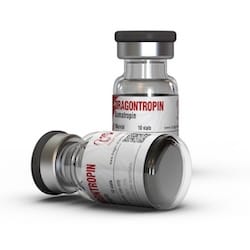
Secure Your Premium Human Growth Hormone Supply Online
How to Handle HGH Protocols and Administration
You have to understand that there is a world of difference between medical-grade Somatropin and those over-the-counter supplements you see online. One is a lab-synthesized hormone used to fix genuine biological deficits, while the other is merely an ”activator” designed to nudge your system. If you mix up your methods, you might find yourself facing metabolic issues that are a nightmare to reverse.
Think of your endocrine system like a high-performance engine. If you pour the wrong fuel in, or if you dump too much in at once, the whole machine starts to rattle. Somatropin is the pure, heavy-duty fuel used in clinical settings to combat muscle wasting or growth disorders. It is a powerful, regulated peptide that does exactly what it is designed to do.
On the other hand, you will stumble upon various ”activators” while browsing. These are usually just a mix of amino acids or herbal ingredients. They aren’t actually the hormone itself, but rather tools meant to prod your pituitary gland into working harder. It sounds like a minor distinction, but it changes everything regarding your actual physiological outcomes.
I have seen plenty of people drop significant cash on products from poseidonrx.com or other vendors, mistakenly believing they are buying the real thing. They aren’t. You are either taking a direct hormone replacement or you are taking a biological nudge. Identifying which one you are actually using is your first step toward staying safe.
The Gap Between Medical and Athletic Dosing
When you walk into a physician’s office, the approach is incredibly precise. A doctor treating a legitimate deficiency will prescribe a very specific, minimal regimen. The goal here isn’t to build a massive physique; it is simply to get your body back to a normal, healthy baseline and protect your organs and bones.
The vibe changes entirely once you step into the fitness community. Here, the focus shifts toward losing fat and packing on muscle. People often try to push past natural limits by using much larger daily increments to force rapid body recomposition. It is a risky game of biological chicken that doesn’t always end well.
What this means for you is that more is definitely not always better. While a higher milligram dose might make you feel invincible for a short window, it can also wreck your insulin sensitivity. You really have to weigh those aesthetic changes against the long-term metabolic price tag you might end up paying.
If you are looking at the cost of these different paths, expect a wide gap. A simple bottle of natural stimulants might run you about $64.99, whereas medical-grade vials can cost a lot more depending on the purity and source. Always be certain about where your supply is coming from and the quality behind it.
Mastering the Injection Process
If you are working with recombinant human growth hormone, you aren’t just swallowing a pill with breakfast. Most people use subcutaneous injections. This involves placing the needle into the fatty layer just beneath your skin rather than going deep into the muscle tissue. It requires a steady hand and very clean equipment.
I tell my friends to treat the injection as a ritual rather than a chore. You must rotate your sites—using the abdomen, glads, or thighs—to prevent lipohypertrophy. To put it simply, you don’t want to develop those hard, painful lumps of fat that happen when you keep hitting the same spot.
On the technical side, you will likely be using an auto-injector or an insulin syringe. You have to be incredibly careful during the ”reconstitution” phase, which is when you mix the liquid diluent with the freeze-dried powder. If you use the wrong liquid or mess up the measurement, that expensive medicine is gone forever.
The way antibodies react in a lab test shows just how complex these proteins are. These structures are incredibly delicate. If you’re too rough with them or if they are stored at the wrong temperature, the protein can denature, leaving you with nothing but an expensive vial of water.
Deciphering Your Dosage Levels
In this game, every single milligram is vital. If you decide to jump from a 2mg daily amount to a 4mg amount, you aren’t just doubling your gains; you could be doubling your side effects. The body doesn’t react to HGH in a straight line. Small increases can trigger massive physiological shifts that catch you completely off guard.
Common red flags from pushing the dose too high include joint tightness or carpal tunnel-style sensations. You might also experience edema, which is just the medical word for swelling. If you start feeling tingling in your hands, it is your body’s way of shouting at you to slow down.
The bottom line is that your blood sugar is essentially on the line here. HGH can cause your body to become resistant to insulin, which is a dangerous path that can lead toward Type 2 diabetes if you aren’t watching your levels. You can’t afford to fly blind when messing with your endocrine system.
I always recommend keeping a detailed log of your life. Track your energy, your sleep, and especially your blood glucose. If you see your fasting sugar levels start to climb, that is a massive red flag. Do not wait for a clinical diagnosis to act; listen to those subtle signals before they become loud problems.
| Method Type | Primary Objective | Standard Delivery |
| Clinical/Medical | Hormone Replacement | Subcutaneous Injection |
| Fitness/Performance | Fat Loss/Hypertrophy | Oral or Injection |
| OTC/Supplements | Natural Stimulation | Liquid or Capsule |
Comparing Financial Costs and Acquisition Methods
Navigating the financial landscape of HGH requires knowing exactly what you are hunting for. You might be looking for a simple supplement, a specialized research tool, or clinical-grade somatropin. Because of this variety, the price tag depends entirely on your specific goal and the method of acquisition.
Costs can start as low as $64.99 if you opt for a natural booster like HGH-X2. On the other extreme, purchasing somatropin in bulk involves much higher investment, where your final bill fluctuates based on the order size, the grade of the substance, and the complexities of international shipping or customs taxes.
Think of it as a spectrum ranging from a casual wellness boost to high-level industrial science. Understanding these tiers helps you avoid the ”sticker shock” that often hits newcomers who haven’t researched the market landscape before they pull the trigger on a purchase.
High-Level Research and Bulk Procurement
If you dive deep into professional scientific supplies, you’re going to notice some staggering price jumps. Consider an Invitrogen specialized antibody cocktail, for example. This isn’t something you’d ever consume; it’s a precision-engineered reagent meant for pinpointing specific hormones within human samples during clinical studies.
These reagents are incredibly expensive because they are meant for laboratory benches, not human biology. When you shift toward purchasing bulk somatropin—the pharmaceutical designation for recombinant human growth hormone—the logistics change. For massive laboratory research kits, you’ll often run into a Minimum Order Quantity (MOQ) of 100g or a single high-end kit.
These large-scale orders are tailored for heavy-duty research or industrial operations rather than anyone’s personal use. The math is simple: the price for every milligram drops a lot when you buy in massive volumes. However, don’t mistake ”saving money” for ”making a smart move” without thinking through the massive risks involved.
You are essentially making a massive bet that your supplier isn’t lying about the potency. There is a huge danger that the product could degrade or lose its effectiveness while traveling across borders. I have watched people hunt for the cheapest possible gram, only to end up with a pile of useless, inert powder.
If a deal feels like a steal, it probably is a trap. Real somatropin is an incredibly sensitive biological material. It demands strict cold-chain management, which means it must stay chilled every second from the warehouse to your doorstep. Skipping these protocols can turn an expensive shipment into expensive trash overnight.
Natural Boosters and Over-the-Counter Options
For the person who just wants to give their hormones a little nudge without the hassle of needles, the over-the-counter (OTC) market is your most likely starting point. These products aren’t actual hormones themselves. Instead, they act as ”activators” or precursors intended to encourage your body to ramp up its own natural output.
Take a look at HGH-X2. It’s a staple in the supplement aisle, usually retailing for about $64.99 per bottle. These are built for convenience, often arriving in easy-to-swallow capsules or liquid drops. You won’t have to worry about the intense, constant refrigeration that pharmaceutical peptides require.
The bottom line? You are paying a premium for safety and ease of use. While you won’t experience the sudden, massive physiological shifts that come from injecting actual hormones, you also avoid the legal headaches and medical scrutiny of prescription-strength versions. It’s a much gentler way to approach hormone health.
I often tell people not to expect a miracle pill. Think of these natural supplements as a gentle nudge to your endocrine system rather than a sledgehammer. They work beautifully for general lifestyle optimization, but they simply won’t transform your physique the way a clinical dose would.
Check out this breakdown to see how the different market levels compare in terms of cost and intended application.
| Market Category | Starting Price Point | Primary Application |
| OTC Activators (e.g. HGH-X2) | $64.99 | Natural Stimulation |
| Bulk Somatropin (MOQ 100g) | Variable (High Volume) | Laboratory Research |
| Specialized Lab Reagents | High Premium | Scientific Testing |
Navigating Shipping Risks and Scams
Shipping is the place where most people get burned. The moment you cross international borders, your total cost in USD can explode. This happens because of unexpected customs duties or the extra fees required for temperature-controlled logistics. If a package gets stuck in customs because it needs specialized cooling, prepare to pay a premium just to reclaim it.
Always keep your guard up against ”too good to be true” offers. If a vendor promises pure somatropin at a dirt-cheap price with no questions asked, run the other way. That is a classic red flag for counterfeits that might just be salt, or even worse, dangerous, unverified impurities.
I’ve seen many people lose their hard-earned money to ”ghost” vendors—sellers who vanish the moment your payment is processed. Try to find suppliers with a proven track record and always use payment methods that offer buyer protection. In this industry, being cheap can quickly become the most expensive mistake you ever make.
The bottom line is to put quality above the price tag. Whether you are spending $65 on a supplement bottle or thousands on a research kit, your top priority must be the substance’s integrity. Your body is too complex to gamble on cheap, unverified shipments coming from the dark corners of the web.
How You Get Your Hands on Product
Think of the market as two completely different worlds. On one side, you have the everyday shopping experience you might find on Amazon.eg. These platforms mostly stock dietary supplements that help your body naturally boost its own levels. They arrive just like any other package you order for your kitchen or gym bag.
Then there is the professional side of things, which is a whole different beast. If your focus is on actual somatropin—the pharmaceutical term for the hormone—you are stepping into the laboratory supply chain. This isn’t your typical retail trip; it is a specialized network designed for scientific research and high-purity proteins.
Navigating these options is really a trade-off between ease and precision. Retailers offer a frictionless, ”plug and play” way to shop for wellness products. But for serious scientific work, the lab route is the only way to avoid a massive letdown. You don’t want to spend your hard-earned money on an expensive, inert powder that died in a hot delivery truck.
The Split Between Retail and Research Channels
Shopping directly through a consumer retail model is definitely the path of least resistance. You can browse sites like Amazon.eg to find products that promise quick shipping and easy returns. Just keep in mind that these are almost always supplements meant to support your natural biology, not the hormone itself.
The professional lab supply world operates under a much stricter set of rules. These vendors don’t just toss items into a standard shopping cart for anyone to grab. Often, they require specific paperwork to prove you are a legitimate research entity and may enforce Minimum Order Quantities (MOQ), meaning you might have to buy a full kit.
I’ve watched many hobbyists try to bridge this gap, and honestly, it usually ends in frustration. Trying to source high-grade research chemicals through a standard retail website is a recipe for disaster. You’ll likely end up with a mislabeled package or a product that lacks the active biological agent you actually need.
The bottom line is that you must be clear about your actual intentions. If you want to add a wellness booster to your daily routine, the retail market is your best bet. However, if you are running controlled scientific studies, you must use accredited laboratory channels to keep your experimental variables pure.
Navigating Shipping and Payment Hurdles
Getting your package delivered can sometimes feel like a logistical puzzle. For basic consumer goods, you’ll usually use a standard credit card, which gives you a nice layer of protection if something goes wrong. However, in certain international or specialized markets, you might see a ”Cash on Delivery” (COD) option used to build trust.
But don’t let the convenience of COD fool you. While it feels safer because you pay at the door, you’re essentially paying for a package before you know if it survived the trip. If a shipment of recombinant protein sits out in the blistering sun for several hours on your porch, that COD payment becomes a very expensive mistake.
Then we have to talk about the ”Cold Chain.” These recombinant proteins are incredibly delicate and hate heat. They must travel in specialized, insulated packaging, like styrofoam containers packed with gel packs, to keep them at a steady, refrigerated temperature. If that temperature fluctuates, the protein denatures, turning it into biologically useless junk.
When you’re looking at delivery windows, remember that domestic shipments might take 3-5 days, while international research orders can take weeks. Those long transit times increase the chance of a temperature spike. I always suggest looking for vendors that use real-time temperature monitoring; that is the true mark of a professional.
Handling Paperwork and Legal Compliance
What you need to sign depends entirely on what is inside the box. For personal supplements, a simple receipt is usually all you’ll need. Because these are classified as food items rather than controlled pharmaceutical reagents, the regulatory headache is practically non-existent.
Things get much more intense once you move into laboratory-grade somatropin. You might be asked to provide an End-User Certificate (EUC). This document verifies who you are and exactly how you plan to use the substance, which helps prevent high-purity chemicals from leaking into unregulated markets.
I often warn people that using research chemicals for personal use is a massive legal gray area. People often navigate this poorly, but you need to be extremely cautious. These documents aren’t just annoying red tape; they serve as a legal shield for the manufacturer and a way to track high-potency materials.
What this means for you is that you should be ready for a little scrutiny. If a reputable vendor asks for your credentials, don’t take it personally—it’s actually a great sign. It means they are following the proper protocols to ensure your biological materials move through customs without being seized.
| Delivery Method | Expected Wait | Risk Factor |
| Domestic (Standard) | 3-7 Days | Low |
| Domestic (Cold-Chain) | 1-3 Days | Moderate (Handling) |
| International (Standard) | 14-30+ Days | High (Customs) |
| International (Cold-Chain) | 5-10 Days | Very High (Stability) |
Decoding the Difference: Natural Stimulants vs. Lab-Created Somatropin
Think of synthetic somatropin as a direct delivery service for your bloodstream, designed to fix serious hormone deficits immediately. It bypasses the internal communication lines to do the heavy lifting. In contrast, natural activators work much more subtly. They provide the raw materials, like specific amino acids, to nudge your system into producing more of its own hormone.
If you’re chasing lightning-fast results, synthetic somatropin is the sledgehammer in this scenario. This lab-produced version skips the pituitary gland’s usual signaling steps and creates a sudden surge in your circulating levels. It is a precise, high-impact tool meant for hitting specific physiological targets with incredible speed.
Natural activators, often found in Over-the-Counter (OTC) bottles, act more like a gentle nudge to a sleeping giant. These supplements usually rely on precursors like L-glutamine or L-arginine to give your body the building blocks it needs for manufacturing. You shouldn’t expect to wake up a different person overnight by taking these.
The real choice is between hitting the gas pedal and fine-tuning the engine. Synthetic options can trigger quick shifts in how you handle water or insulin. Natural routes require a much longer view. You are trying to optimize your biological pathways rather than overriding them. It’s less like adding fuel to a fire and more like clearing debris so the flames can breathe.
I’ve watched people get incredibly discouraged when their $64.99 bottle of supplements doesn’t deliver the same punch as a medical injection. They think they’ve bought a rocket ship, but they’ve actually just bought a compass. Your body’s internal feedback loops are very good at regulating hormones that are produced naturally.
Long-Term Safety and Sustainability
When looking at the long haul, we have to consider how your metabolism reacts over years. Synthetic somatropin is an incredibly potent instrument, but it comes with metabolic baggage. Because it is exogenous, your body might decide that its own natural production is no longer necessary, leading to a ”permanent nap.”
This process of downregulation is a legitimate concern for many. When you flood your system with outside hormones, your pituitary gland might stop putting in the effort. This can create a cycle of dependency where you need the synthetic version just to stay at a baseline. It is a high-stakes strategy that demands constant medical oversight to stay safe.
Natural activators take a much more ”low and slow” approach to wellness. Since you are supplying the raw ingredients—those essential amino acids—rather than the finished hormone itself, your body stays in the driver’s seat. This keeps those vital feedback loops active. You aren’t forcing the system; you’re just providing the premium fuel it needs.
The bottom line is that while natural supplements are a much safer bet for most people, they aren’t a magic fix. They won’t cure a profound medical deficiency, but they offer a sustainable way to support healthy aging without the metabolic rollercoaster that often follows synthetic replacement.
Cutting Through the Marketing Noise
You’re going to run into some wild claims out there, especially on platforms like Amazon, promising an ”Age-Reversing Miracle.” I suggest you approach those labels with a healthy dose of skepticism. Human biology is quite stubborn and doesn’t usually respond to a single ”miracle” pill.
Marketers love to blur the line between ”supporting healthy hormone levels” and ”reversing the aging process.” It is a clever way to sell more bottles. While improving your hormone production can boost your vitality, energy, and muscle recovery, it won’t literally turn back the clock to your teenage years. Anyone claiming to sell a fountain of youth is selling smoke.
True hormonal health is more like a mosaic than a single piece. It is built from your sleep, your diet, and how you manage stress. Supplements should be viewed as the garnish on a complex plate. If a product promises a shortcut that ignores your lifestyle, it is likely a marketing triumph rather than a biological one.
The following table breaks down the two different methods to help you visualize how they actually function and affect your body:
| Characteristic | Natural Activators | Synthetic Somatropin |
| Primary Mechanism | Boosts your own production | Direct hormone replacement |
| Speed of Effect | Gradual (weeks to months) | Rapid (within days) |
| Dependency Risk | Very Low | Possible (Downregulation) |
| Intended Purpose | Optimization & Support | Clinical Deficiency Correction |
Assessing Lab Credibility and Purity Metrics
To ensure your research stays on track, you must look for NABL accreditation. This certification proves a facility possesses the necessary technical skills through intense, standardized testing. You shouldn’t take a supplier’s word for anything; you need to see that they have passed these official benchmarks.
Think of this accreditation like a pilot’s license. It serves as proof that the lab actually possesses the specialized training to handle complex tasks. Without such credentials, you are essentially gambling with your data, which is a risk no serious scientist should ever take.
When you examine a lab’s report, look beyond a simple ”Pass” mark. You need to see evidence that they follow rigorous international protocols. If a provider can’t show you their official accreditation, you’re likely dealing with an unregulated outfit that cuts corners to save on overhead.
The bottom line is that verified certification is your best defense against errors. It shifts the burden of proof from vague promises to concrete, verifiable data. In a field where a single contaminant can wreck an entire study, these credentials are a necessity for your work.
Identifying Molecules via Antibody Cocktails
How can you truly know if a liquid in a vial contains what the label claims? This is where the heavy lifting of molecular biology happens. Scientists rely on something called an antibody cocktail to perform a ”biological fingerprinting” of any given sample.
An antibody cocktail is a specialized blend of antibodies engineered to latch onto specific targets. For example, a growth hormone antibody cocktail is designed to hunt down the hormone’s unique structure. When the hormone is present, the antibodies bind to it, creating a detectable signal.
This method is indispensable because it separates the actual hormone from various ”filler” proteins or impurities. If the cocktail fails to react with your sample, you are essentially paying for expensive, useless liquid. This test confirms the molecular makeup matches the intended function, which is the benchmark for legitimacy.
What this means for you is that a flimsy, typed-up note labeled as a ”Certificate of Analysis” isn’t enough. A legitimate CoA should explicitly name the methodologies used, such as Western Blotting or ELISA, to confirm the protein’s concentration and presence through these specific antibody reactions.
The Superiority of Purified Recombinant Human Growth Hormone
In top-tier scientific circles, you will constantly hear about ”purified recombinant human growth hormone.” While the name is a bit of a mouthful, it represents the peak of modern biotech. ”Recombinant” simply means the hormone was built by inserting human DNA into a host like yeast or bacteria.
The ”purified” aspect is where the real magic happens. During manufacturing, host cells create a messy soup of different proteins. Purification is the intense, careful process of stripping away everything until only the exact human growth hormone remains, creating a substance nearly identical to what our own pituitary glands produce.
Stick to high-quality recombinant versions to keep your data consistent. If your hormone levels fluctuate because of leftover cellular debris, your results lose all value. Serious researchers pay a premium for this precision because it eliminates contamination as a variable in their experiments.
If you see a price tag of $500 or more per vial, you are paying for that rigorous purification. It is a heavy investment, but it is the only way to be certain that the biological reaction you see is caused by the hormone itself and not some side chemical.
Evaluating Vendors and Logistics
Don’t overlook the small details on your packaging. It might seem nitpicky, but checking the expiration date and the specific batch number is a cornerstone of quality control. A vial that has sat in a warm warehouse for too long might lose its potency, making your research a total waste.
Batch numbers act as your lifeline if a problem arises. If a specific lot is found to be faulty, that number allows you to trace the source and stop using it immediately. If a seller refuses to give you batch-specific records, treat that as a massive red flag.
Before you commit to a major purchase, like a $5,000 bulk order, you need a solid vetting process. Don’t just trust a pretty website. While many premium vendors are completely transparent, others hide behind generic contact forms and ”WhatsApp-only” support to avoid real accountability.
Use this checklist to vet your suppliers before you ever send a single $ sign their way:
- Does the vendor provide a verifiable, third-party Certificate of Analysis (CoA) for every single batch?
- Is the laboratory NABL or ISO certified, and can you confirm this on the official accreditation body’s website?
- Do they offer clear, detailed shipping protocols for materials that are sensitive to temperature?
- Is there a legitimate corporate identity and a professional physical address linked to the business?
- Can they connect you with technical support staff who actually understand the molecular biology of their products?
Trackbacks & Pingbacks
[…] Order Human Growth Hormone […]
[…] Human Growth Hormone […]
[…] Order Human Growth Hormone […]
[…] Buy Human Growth Hormone […]
[…] Human Growth Hormone For Sale […]
[…] Human Growth Hormone […]
Kommentering är stängd.