Secure the Best Deals on Premium Tri Tren Online Now
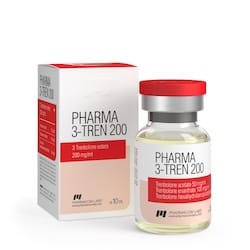
Secure the Best Deals on Premium Tri Tren Online Now
Navigating Your Trenbolone Protocol
Navigating a cycle involving Trenbolone requires a delicate touch, specifically balancing the rapid impact of the Acetate ester against the steady flow of the Enanthate variety. When your goal is leaning out, most veteran lifters land on a weekly range of 150mg to 400mg. They frequently stack Masteron into the mix to achieve a more chiseled, aesthetic appearance.
You have to treat your cycle like a high-performance racing engine that demands constant fine-tuning. If you floor the accelerator without checking your fluid levels, you’ll likely blow a gasket before the race even ends. While Trenbolone is arguably the most potent tool in your arsenal, it is a double-edged sword that requires immense respect.
Selecting your base requires a close look at the specific ester you choose. This chemical chain dictates how quickly the hormone enters your blood. Acetate is a short-acting ester, meaning it hits your system fast and departs just as quickly. This makes it perfect if you are chasing a quick, intense burst of definition.
Enanthate operates on a different principle because it uses a long-acting ester. This stays in your bloodstream much longer, which creates much more stable and consistent hormone levels. This stability is a total lifesaver for anyone trying to avoid those jagged mood swings that typically plague users of the shorter version.
Determining Your Dose and Ester Choice
When you are deep in a cutting phase, the priority is shedding fat while protecting every single gram of hard-earned muscle. Most experienced athletes aim for a weekly amount between 150mg and 400mg. Pushing past those limits is essentially playing with gasoline in a room full of open flames.
Finding your personal ”sweet spot” depends entirely on how much training experience you currently possess. A newcomer might see great results staying near the 150mg floor, whereas a seasoned pro might push toward 400mg. Pay attention to your body’s signals. If you notice your sweat starts smelling like chemicals, you are likely overstepping your limits.
The following table breaks down how these different esters typically function throughout a standard eight-to-twelve week cutting phase:
| Ester Variant | Onset Rate | Primary Use | Half-Life |
| Acetate | Fast (1-3 days) | Intense, short-term cuts | Short (about 1-2 days) |
| Enanthate | Slow (7-10 days) | Consistent fat loss | Long (about 7-10 days) |
I have watched guys blow a huge chunk of their paycheck on premium gear from poseidonrx.com or similar sources, but even the best product won’t save a broken plan. You must decide whether you want the ”spike and crash” profile of Acetate or the steady grind of Enanthate before you commit to that first vial.
Avoiding the Crash and Using Ancillaries
The ”crash” is that sudden, crushing weight of declining hormone levels once the cycle ends. It feels like a dark cloud settling over your drive and your libido. To prevent this, don’t simply stop using the substance abruptly; instead, taper your dosage down gradually over a two-week window.
This slow descent gives your natural endocrine system a chance to restart slowly. If you drop from 300mg to nothing overnight, you are begging for disaster. Think of it like slowing down a speeding vehicle; you don’t just slam on the brakes and hope the passengers are okay.
Some lifters notice that Trenbolone can lead to a ”soft” look caused by inflammation or water retention. This is where Masteron, or Drostanolone, becomes an essential ally. As a DHT-derived derivative, Masteron acts as a mild anti-estrogen, which helps reveal that grainy, hard muscularity.
Adding Masteron to your protocol can act as a protective buffer. It helps you maintain a dry, shredded physique even while the Trenbolone is working its magic. It is like using fine-grit sandpaper on wood; it smooths out the rough edges and polishes the final product. For more on endocrine health, this medical study offers deep insights into hormone management.
The bottom line is that this creates a much more controlled environment. By pairing the raw power of Tren with the drying properties of Masteron, you create a synergy focused entirely on aesthetics. Just remember: the goal is to look like a marble statue, not to end up in an emergency room.
Budgeting for Your Trenbolone Protocol
Quality Trenbolone typically runs anywhere from $40 to $100 per 10ml vial. If you are planning an eight-week stint, remember that the price tag on the vial isn’t your only expense. You must also factor in the price of auxiliary drugs like post-cycle therapy and anti-estrogens, which can swell your total spend significantly.
Avoid falling into the trap of chasing the lowest price. In this arena, you are actually paying for reliability and safety. A $40 vial might be nothing more than a diluted mess or something even more toxic. Why gamble with your health when you can invest in something pure?
A laboratory’s track record tells you everything you need to know. Top-tier manufacturers spend a fortune on third-party verification to ensure their labels are accurate. While this pushes their individual vials toward the $100 mark, it prevents you from injecting nasty contaminants that could wreck your health.
Price swings usually happen because of how difficult it is to manufacture the substance. Creating a stable ester for high-purity Trenbolone is a delicate, meticulous job. If a deal looks too good to be true, walk away. I have watched lifters burn through cash on ”cheap” gear that was basically just useless oil.
Mapping Out Your Financial Commitment
When you start planning your finances, don’t just focus on the Trenbolone itself. It is like looking at the sticker price of a vehicle while ignoring the cost of gas, repairs, and insurance. A proper eight-week cycle requires a full roadmap covering both the main hormone and its support tools.
Depending on your weekly dose, you will likely need several vials to finish the job. A moderate approach might require two or three 10ml vials in total. Once you tack on the price of necessary ancillary drugs, your total bill can easily double. This requires foresight and careful planning.
The table below shows how different dosing approaches will impact your wallet over a two-month period:
| Dosing Strategy | Vial Requirement | Base Cost | Projected Total |
| Light/Beginner | 2 Vials | $120 | $210 |
| Moderate/Standard | 4 Vials | $240 | $380 |
| Advanced/Heavy | 6 Vials | $360 | $550 |
The bottom line is that your math must include the ”extra” expenses. These items act as the support crew while the Trenbolone does the heavy lifting. If you leave them out of the equation, you are essentially trying to drive a high-performance race car without a parachute.
The Hidden Cost of Staying Healthy
Ancillary drugs are the essential backup crew that prevents your internal systems from crashing. This includes tools like Arimidex to keep estrogen under control, plus various supplements to shield your vital organs. Running a high-intensity cycle without these safety nets is a recipe for disaster.
Post-Cycle Therapy, or PCT, is another essential line item in your budget. Using substances like Nolvadex or Clomid helps restart your body’s natural testosterone production after your cycle finishes. Skipping this phase is like winning a gold medal but breaking your legs in the process; the trophy isn’t worth the injury.
You should also set aside money for regular blood work. Monitoring your biomarkers before and after a cycle is the only way to see how your body is actually reacting. It is a tiny expense compared to the long-term damage caused by organ stress or endocrine issues.
View these additional costs as an insurance premium. You do not want to be midway through a run only to realize you lack the funds for the drugs that keep you safe. Plan for the entire journey, from that very first shot to the final week of your PCT.
Acquisition and Delivery Logistics
Hunting down Trenbolone feels a lot like navigating a minefield. You are operating in high-risk zones where many shady suppliers sell diluted or even toxic substances. You have to be incredibly picky to stay safe.
I always tell my peers to look for labs that show real, independent lab verification. You want a vendor who uses stealthy shipping methods to keep your business private. Just remember that shipping from overseas is a different game than staying local.
International shipments usually take a lot longer to reach your door. They also face much more intense scrutiny from customs officers than anything sent within your own country. Don’t expect a quick turnaround when crossing borders.
Trying to buy from some random person on a message board is like stepping into a dark alleyway in a strange city; you have no idea what’s waiting around the corner. These unregulated sellers don’t have to answer to anyone.
If the gear is bunk or contains heavy metals, these sellers will simply vanish. These ”basement labs” are notorious for cutting corners, especially when it comes to sterile filtration. It is a dangerous gamble for your health.
When production is sloppy, you aren’t just getting a hormone; you are injecting bacteria or tiny bits of debris. This can cause nasty abscesses or systemic infections. These physical issues are a high price to pay for mere muscle gains.
What this means for you is that ”cheap” gear will eventually become the most expensive mistake you ever make. If a shop won’t prove their manufacturing quality, they are asking you to play Russian roulette with your endocrine system. Choose transparency over a low price.
Validating Your Gear
You can’t just take a supplier’s word at face value. In this world, ”trust me” isn’t a real way to measure quality control. You need to see the receipts, specifically third-party lab tests, often called COAs (Certificates of Analysis).
Think of a COA as a document from a neutral lab that proves exactly what is in the vial. If a label says the Trenbolone is 75mg/ml, that COA must verify that exact concentration and show minimal impurities. If they won’t show you, walk away immediately.
I recommend looking for labs that utilize HPLC (High-Performance Liquid Chromatography) testing. It is the gold standard for checking chemical profiles. This process separates the active ingredients from any solvents or contaminants, giving you a clear fingerprint of the true contents.
I’ve watched guys drop hundreds on ”premium” bottles only to realize later—via independent research—that the batch was mostly nothing more than vegetable oil. Don’t let that be you. Make the laboratory do the heavy lifting before you commit to a massive order.
Protecting Your Shipments
Once you decide to buy, your focus shifts to how the package actually arrives. You want your delivery to slip through the cracks without attracting eyes. This is why ”discreet shipping” is a non-negotiable requirement for any serious buyer.
A top-tier vendor will use vacuum sealing to stop any leaks or scent issues. They should also employ ”decoy” labels, making the package look like a boring household item or a common supplement. If it looks like a book or a cheap t-shirt, you are halfway there.
The level of risk changes depending on how far the package has to travel. Domestic orders are usually much faster and safer, often showing up at your door within 3 to 7 business days. International orders, however, are a much bigger headache.
Expect those overseas packages to sit in a customs warehouse for 10 to 30 days. There is always a chance of seizure during that window. If you order internationally, make sure the vendor gives you a working tracking number so you aren’t left guessing.
The bottom line is to stay smart to ensure your delivery goes smoothly. Use these practical rules to protect yourself:
- Always use a private, secure email address for all your communications.
- Never use your actual name on the shipping label; stick to an alias.
- Select payment methods that offer robust buyer protection.
- Avoid using your primary bank card; opt for crypto or a virtual card instead.
Navigating the Risks and Mitigation Strategies
Staying ahead of the curve requires a proactive stance toward your health. You shouldn’t just wait for problems to surface; instead, you must keep a close eye on your cardiovascular markers, cholesterol, and endocrine system. If you notice any neurological shifts or trouble breathing, take it seriously right away.
Success in this pursuit demands more than just heavy lifting. It requires regular medical checkups, a lifestyle designed to combat sleep issues, and a smart strategy for using support compounds to manage your prolactin and estrogen levels.
I have encountered many lifters who treat their internal organs like an afterthought. They chase the aesthetic results while completely ignoring the physiological toll. Think of yourself as a pilot navigating a storm; if you stop checking your instruments, you are going to crash.
The most sudden and unpleasant sensation is what many call the ”Tren Cough.” It isn’t a simple cough; it is a violent, jarring episode of gasping that hits you mid-injection. This happens when the oil enters your circulation so fast that your lungs react sharply.
Essentially, this occurs because the substance reaches your pulmonary system with extreme speed. This can cause your blood pressure to jump and create a feeling of tightness in your chest. If this occurs, stay calm, take slow breaths through your nose, and slow down your injection speed.
Tracking Your Vital Indicators
Blood pressure is a quiet predator. This substance can trigger significant water retention and vascular constriction, which drives your numbers upward. Even if you feel perfectly fine, your arteries might be enduring extreme tension. A sudden high reading is a massive warning sign to rethink your approach.
Then there is the matter of your lipids, specifically your cholesterol. This compound is famous for tanking your HDL levels while simultaneously driving up your LDL. This imbalance can make your blood feel thick and sluggish, which puts immense strain on your heart over time.
What this means for you is that ”feeling good” is not a valid metric for health. You must get blood work done every 8 to 12 weeks to see the real picture. If your numbers look messy, you may need fish oil or even medical prescriptions to protect your cardiovascular health.
I suggest tracking your blood pressure every morning. If you notice a steady climb, you are walking a razor’s edge. Keep these standard targets in mind for your baseline:
| Metric | Target Range | Frequency |
| Blood Pressure | 120/80 mmHg | Daily/Weekly |
| HDL Cholesterol | >40 mg/dL | Every 3 months |
| LDL Cholesterol | <100 mg/dL | Every 3 months |
Managing Rest and Body Heat
Night sweats and insomnia are often the price of a high-intensity cycle. You might find yourself wide awake at 3:00 AM with a racing heart. This usually stems from the massive metabolic heat and the intense strain placed on your central nervous system (CNS).
The night sweats happen because your body’s internal thermostat is basically malfunctioning. You could wake up with completely soaked sheets even in a cold room. To help, keep your bedroom very cool and consider taking magnesium glycinate to help settle your nervous system before bed.
I’ve personally found that skipping caffeine after midday and avoiding heavy late-night meals helps a lot. If the lack of sleep becomes too much, talk to a professional about mild, non-habit-forming aids. Never add extra variables to your stack without expert guidance.
Pro-tip: Some guys swear by a dedicated cooling mat to combat those temperature spikes. It is a small investment, often around $150, but it can be a lifesaver for your sanity when the sweating starts.
Maintaining Endocrine Stability
A major blunder is neglecting the ”ancillary” part of your protocol. While the androgenic properties get all the glory, this substance impacts your hormonal landscape in intricate ways. You have to keep an eye on prolactin and estrogen to avoid serious issues.
High estrogen (estradiol) can lead to the development of breast tissue in men. It also causes bloating, water retention, and sudden mood swings. You should always be prepared with an Aromatase Inhibitor (AI), like Arimidex, to ensure these levels don’t redline.
Prolactin is a different kind of beast. Elevated levels can lead to sexual dysfunction or ”tits.” While it isn’t as common as other issues with this specific compound, a heavy stack can still cause a spike. Keeping this in check is vital for your mental stability and libido.
The bottom line is that a heavy cycle requires a plan for these two specific hormones. Always have an AI and a prolactin inhibitor ready before you even start. It is much easier to prevent a hormonal crash than to fix one once it has started.
How to Navigate Your Post-Cycle Phase
Reclaiming your natural hormonal baseline requires a calculated approach known as Post Cycle Therapy (PCT). You cannot simply walk away from a cycle and expect your body to fix itself. You need to utilize Selective Estrogen Receptor Modulators (SERMs) to trigger your pituitary gland to resume its natural hormone secretion.
Commonly used tools like Clomid or Nolvadex serve as the primary signals for your system to wake up. Timing is the most critical variable in this entire process. You must wait until the exogenous substances have fully cleared your blood before starting PCT, or you risk a devastating hormonal crash.
Think of it like a light switch. When you run heavy compounds like Trenbolone, you’ve essentially bypassed your body’s internal wiring. You’ve told your system it doesn’t need to do the heavy lifting anymore. Once the cycle ends, that switch stays in the ”off” position unless you intervene.
Reawakening Your Internal Hormone Production
Imagine your endocrine system functions much like a home’s thermostat. By injecting potent steroids, you are cranking the heat to a permanent high. Because the external source provides all the warmth, your internal furnace simply shuts down to save energy. The problem starts when you turn off the external heat and find the house is freezing.
This is where Post Cycle Therapy (PCT) steps in to act as your biological jumpstart. Most people rely on Clomid (Clomiphene citrate) or Nolvadex (Tamoxifen) to get things moving again. These SERMs work by blocking estrogen receptors in the brain. By tricking your mind into thinking estrogen is low, your pituitary gland starts signaling your testes to produce testosterone once more.
The timing here is a high-stakes balancing act. Start too early, and the synthetic hormones will still be circulating, making your medication useless. Wait too long, and you might face a massive ”crash” where your libido vanishes and your hard-earned muscle mass disappears. You are essentially trying to catch a falling knife without getting cut.
Generally, you should aim to begin this intervention between 14 and 21 days after your final injection. This window depends heavily on the specific half-life of the compounds you were running. If you miss this sweet spot, you might face months of depression and fatigue. Always map out your PCT before you even think about your first cycle.
Evaluating Different Recovery Methods
There is no universal blueprint for hormonal restoration. Some athletes prefer a ”heavy” approach to force a quick bounce-back, while others lean toward a ”gentle” taper to minimize side effects. You really have to weigh the immediate costs against the long-term health of your endocrine system.
Many lifters find Nolvadex easier to tolerate. It is excellent for preventing gynecomastia—the development of breast tissue—but it might be less aggressive at boosting luteinizing hormone (LH) than Clomid. It is the ”gentler” route if you are worried about mood swings or vision changes.
Clomid, however, is the heavy hitter in the toolkit. It is incredibly effective at driving both FSH and LH levels upward. The downside is that it can be a bit of a wild ride. Some users report feeling incredibly ”wired” or dealing with sudden emotional volatility. It is a powerful tool, but it comes with a bit more turbulence.
Take a look at how these two common SERMs compare during a recovery protocol:
| Strategy | Primary Medication | Main Benefits | Potential Drawbacks |
| High Intensity | Clomid (Clomiphene) | Strong LH/FSH stimulation | Mood instability |
| Moderate Intensity | Nolvadex (Tamoxifen) | Fewer side effects | Weaker LH boost |
| Comprehensive | Sequential use of both | Full-spectrum coverage | Increased expense |
The bottom line is that your specific choice should be dictated by your blood work and your individual reaction to the cycle. If estrogen levels were a problem, Nolvadex might be your best friend. If your testosterone was totally non-existent, you might need the extra power of Clomid. Always have a doctor interpret your results for you.
Dietary Adjustments to Protect Your Gains
Once you transition into PCT, your metabolism enters a period of total chaos. Without the supercharged boost of exogenous hormones, your body loses its ability to hold onto muscle mass quite easily. This is the ”danger zone” where many people watch their hard-earned physiques evaporate in just a few weeks.
To fight back, you must prioritize nutrient density over just eating massive amounts of calories. You might have been crushing 4,000 calories of junk food to keep up with your cycle’s metabolism, but you need to pivot now. High-quality proteins and healthy fats are your best allies for stabilizing your hormones.
I strongly suggest focusing on monounsaturated fats, like olive oil or avocados. These provide the cholesterol that serves as the fundamental building block for all steroid hormones. If you cut out healthy fats during PCT, you are essentially cutting off the fuel supply to the very engine you are trying to restart.
Micronutrients are just as vital. Zinc and Vitamin D are absolutely non-negotiable because they are deeply involved in natural testosterone synthesis. Spending $50 to $100 on top-tier supplements is a tiny price to pay compared to losing an entire year of training progress. Stay consistent, stay clean, and be patient with the process.
Trackbacks & Pingbacks
[…] Buy Tri Tren […]
[…] Tri Tren For Sale […]
[…] Tri Tren For Sale […]
[…] Order Tri Tren […]
[…] Tri Tren […]
[…] Buy Tri Tren […]
[…] Order Tri Tren […]
[…] Tri Tren […]
Kommentering är stängd.