Secure Your Premium Tren Supply Online Today
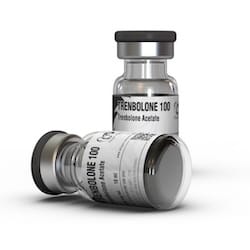
Secure Your Premium Tren Supply Online Today
Analyzing the Potency of Trenbolone Acetate in Lab Settings
When you’re diving into high-level research, the speed of a compound’s action is often your primary concern. Investigators frequently turn to Trenbolone Acetate (CAS 10161-34-9) because it kicks into gear much faster than its longer-lasting cousins. It’s a heavy hitter that allows us to map out anabolic pathways with incredible urgency.
Precision is your best friend in the lab, so never cut corners on verification. You must strictly adhere to ”research use only” guidelines and verify every CAS number to keep your findings legitimate. If your starting material isn’t exactly what you think it is, your whole study might be a house of cards before the first trial even starts.
The Role of Ester Modification in Molecular Behavior
Think of the ester as the steering wheel of a molecule; it determines which direction and how fast the compound travels through a biological system. Even a minor tweak to the base structure can fundamentally change how a substance behaves metabolically. That’s why understanding steroid chemistry starts with looking at that specific attachment.
Trenbolone Acetate (CAS 10161-34-9) utilizes a short acetate ester, which essentially acts like a fast-burning fuse. This particular configuration leads to a much shorter half-life compared to other versions. It’s a specific tool designed for scientists who need to observe immediate physiological shifts rather than slow, creeping changes.
On the other end of the spectrum, you have Trenbolone Enanthate (CAS 1629618-98-9). This version uses a much longer enanthate chain, which functions like a slow-release reservoir. This chain slows down the rate at which the compound enters the bloodstream, providing a steady, stable presence over a prolonged duration.
If you are hunting for the cleanest materials, it’s worth checking out vendors like poseidonrx.com to compare different chemical profiles. Always cross-reference your Certificate of Analysis against the expected CAS number. A single error in your sourcing phase can lead to skewed data that is impossible to replicate later on.
How the Molecule Influences Animal Growth Models
To truly grasp why this substance is so influential, you have to look back at its origins in the farming industry. Engineers originally developed Trenbolone to supercharge muscle development in horses and cattle. It works by driving up nitrogen retention, which effectively signals the body to prioritize tissue construction.
In studies involving bovine or equine models, this compound proves to be an incredibly aggressive anabolic agent. It latches onto androgen receptors with an intensity that leaves many other substances in the dust. This high affinity is the secret sauce behind the rapid lean muscle gains observed in veterinary growth studies.
What this means for you is that you are dealing with a substance that is profoundly anabolic. In lab terms, this refers to the rapid assembly of proteins from simpler components. When you observe this process under a microscope, the sheer velocity of protein synthesis can catch you off guard.
The biological mechanism essentially acts as a master key for cellular growth. By flooding the androgen receptors, the compound instructs cells to favor muscle building over fat accumulation. This makes it a vital instrument for any researcher looking to study extreme hypertrophy in controlled animal environments.
Staying Within Legal and Laboratory Boundaries
Navigating the murky waters of chemical regulations requires a very steady hand. You must maintain a crystal-clear understanding of ”research use only” status. This is a strict designation: the material is strictly for investigation within a lab and should never be intended for clinical use or human consumption.
When you invest in high-purity samples from specialized suppliers, you aren’t just paying for the substance; you’re paying for consistency. Aim for USP-grade (United States Pharmacopeia) samples whenever possible. These undergo intense scrutiny to ensure no contaminants sneak in to derail your experimental results.
The bottom line is that your facility must follow rigorous protocols to stay on the right side of the law. This involves keeping airtight logs of every chemical you acquire. You have to be vigilant to ensure that no materials are diverted from their intended research purposes.
Always keep a sharp eye on the fine print in your vendor’s service terms. Many of the top-tier distributors will refuse to ship to anyone without a verified institutional address. This rule exists to keep potent substances like Trenbolone Acetate locked within the professional scientific community.
| Chemical Variant | CAS Number | Primary Research Use |
| Trenbolone Acetate | 10161-34-9 | Rapid-acting metabolic studies |
| Trenbolone Enanthate | 1629618-98-9 | Long-term growth modeling |
Evaluating Costs and Acquisition Options for Trenbolone Acetate
Prices for Trenbolone Acetate fluctuate wildly depending on the market’s current state. You’ll find that your final bill depends heavily on your required concentration and how much you are ordering at once. If you are just grabbing a small batch for testing purposes, expect to pay between $50 and $150 per unit.
When you move into the realm of large-scale academic studies, the price per milligram tends to drop significantly. This is a classic case of economies of scale. Buying in bulk is essentially your leverage to secure more stable pricing from a vendor. The bottom line is that volume changes the math.
Think of your shopping list like a trip to the jewelry store versus a yard sale. A specialist vendor offers incredible stability and confirmed cleanliness. Meanwhile, general suppliers usually move lower-grade industrial stuff at a much lower price point. You have to decide if you need a precision instrument or just something to pass the time.
If you are just looking for something that roughly works, any source will do. But in scientific work, this choice determines if your data is pure gold or complete trash. If a vendor offers a massive shipment at a suspiciously low price, keep your guard up. That discount might just be a mask for degraded or dirty material.
Consider the real cost of a failed study. Wasting a whole month of research because your reagent was 90% pure instead of the required 99% is a massive financial hit. Don’t let a cheap sticker price ruin your entire budget. Sometimes, the most expensive option is actually the one that works the first time.
Navigating Supplier Classes and Delivery Methods
You will generally run into two main categories of vendors. The first group consists of specialized chemical houses that cater strictly to the scientific community. These people live for high-purity standards and provide every single piece of documentation you could possibly ask for. They are the only real choice for a professional lab setting.
Then you have the general laboratory distributors, which function like the supermarkets of the chemical world. They stock a massive variety of goods and can be much more budget-friendly for industrial-grade uses that don’t require extreme precision. They are fantastic for basic solvents, but they often lack the strictness needed for high-end hormonal studies.
Shipping is a whole different beast that can catch you off guard. Certain sensitive batches actually need to travel in cold conditions to prevent thermal degradation. You aren’t just paying for the chemical itself; you are also paying for the temperature-controlled transit and the specialized insulation required to keep the sample stable.
I have seen researchers burn through a huge chunk of their funding just on shipping costs. If a supplier tells you that sending a temperature-sensitive compound via ”standard ground” is perfectly fine, run the other way. High-tier materials require high-tier handling. If they can’t get the shipping right, they probably aren’t managing their chemistry correctly either.
Here is a quick look at how the costs typically break down across different procurement tiers:
| Procurement Type | Typical Quantity | Estimated Price Range |
|---|---|---|
| Specialized Research Sample | 200 mg | $50 – $150 |
| Standard Lab Grade | 1 gram | $200 – $400 |
| Bulk Industrial Grade | 10 grams+ | $1,200 – $2,500 |
| Ultra-High Purity (USP) | Small Vial | $150 – $300 |
What Drives Purity and Quality Standards
The gap between premium manufacturing and cheap industrial stuff usually boils down to the ”purity profile.” Top-tier materials undergo several intense refinement stages to scrub away any residual solvents or metabolic leftovers. This ensures that when you run your tests, you are actually measuring the substance you intended to study.
Industrial-grade stuff is a different animal entirely. These products are made for massive manufacturing runs where precision isn’t the top priority. They stay much cheaper because they skip those expensive purification steps. Trying to use these in a precision experiment is like trying to perform brain surgery with a steak knife.
Ultimately, your purity levels decide what you pay per milligram. A sample sitting at 99.9% purity is going to cost exponentially more than one at 95%. You aren’t just paying for that extra 4.9% of matter; you’re paying for the high-tech equipment needed to reach that perfection. It is a fee for the certainty of your results.
You need to look for the ”fingerprint” of real quality. This means demanding a clear, detailed Certificate of Analysis (CoA) and a verified CAS number. If the vendor starts acting cagey or the numbers look blurry, walk away immediately. In this line of work, your professional reputation is only as solid as the chemicals you use.
Evaluating Acetate versus Enanthate Esters
The core distinction boils down to how long the ester chain stays attached to the trenbolone. Acetate is a fast-acting option that floods the bloodstream almost immediately. You will notice sharp peaks in concentration followed by a sudden drop. This makes the experience quite jagged if you aren’t careful.
Enanthate works on a totally different timeline. Because the ester is longer, it enters the system with a measured, slow release. This provides a much more leveled-out profile. You get steady, enduring concentrations that don’t bounce around wildly throughout the day.
Imagine you are managing your energy levels. Acetate is the caffeine hit from a double espresso; you feel an instant surge, but you’ll crash hard once it wears off. It is a high-octane choice that demands constant vigilance to avoid the side effects caused by those physiological swings.
Enanthate, conversely, behaves like a slow-release nicotine patch. The larger molecular structure takes its sweet time to break down. This leads to a far more consistent journey with fewer of those uncomfortable ”rollercoaster” sensations. It is the go-to when you need rock-solid stability during your research.
The bottom line is a trade-off between quick reaction and steady flow. If your protocol demands you tweak concentrations on a dime, the acetate version is your primary tool. If you want a flat line where levels remain predictable day in and day out, the enanthate ester wins every time.
Metabolism and How Long They Last
The ”ester” is essentially a chemical handle we attach to the base steroid to dictate its release rate. Acetate is a tiny, lightweight chain. Because it is so small, the body’s internal enzymes can snip it off the moment it hits the blood. This results in an incredibly brief metabolic half-life.
Enanthate is a much heavier, more complex beast. Your body needs a significant amount of time to process this larger molecular structure. This creates a ”reservoir effect” within your tissues, where the substance is released into the circulation in a slow, measured trickle over many days.
This difference in size creates massive volatility for acetate users. Because it vanishes so quickly, you might encounter significant dips in your concentration levels between sessions. These rapid shifts can lead to ”crashing,” where the effects disappear abruptly, making it a nightmare to maintain a steady baseline.
The enanthate ester effectively kills this volatility. By slowing down how fast the body absorbs the compound, it prevents those scary spikes and troughs. For a serious researcher, this level of predictability is worth its weight in gold. It allows for precise control since the substance stays in play much longer.
Practical Lab Applications
Deciding between these two isn’t just a chemistry problem; it’s a scheduling problem. If you are running a high-frequency study that requires you to adjust dosages on a daily basis, acetate is your best friend. It allows for rapid adjustments to your experimental variables because of its fast turnover.
However, if you are diving into a long-term study and want to remove ”timing of administration” as a variable, enanthate is the clear winner. It grants you much more freedom in your schedule. You won’t be constantly racing against the clock to keep levels steady, which results in much cleaner data sets.
You also need to keep an eye on the viscosity of your liquid. Some trenbolone enanthate preparations can feel thick or even oily. This might make the actual delivery process a bit of a headache compared to the thinner, easier-to-handle acetate solutions. Always test your carrier oil compatibility before you dive in.
Your choice effectively defines your entire daily workflow. A researcher working with acetate is like a pilot fighting constant crosswinds, constantly making micro-corrections to stay on course. A researcher using enanthate is like a long-haul captain cruising on autopilot. Pick the pilot your specific protocol requires.
Comparing Injection Schedules
With the acetate ester, there is zero room for error. If you miss even a single dose, the levels in your system will plummet. To keep the concentration within a specific experimental window, you will likely need a very strict, often daily, administration routine.
Enanthate is much more forgiving of a busy schedule. Since it lingers in the system, you can often go several days between doses without witnessing a massive crash in blood concentration. This makes it much more manageable for anyone working in environments where minute-by-minute precision is difficult to maintain.
The following table summarizes what you can expect for maintaining steady levels:
| Ester Category | Typical Interval | Stability Rating | Crash Risk |
| Acetate | Daily or every other day | Low (High Volatility) | Significant |
| Enanthate | Every 5–7 days | High (Stable) | Minimal |
Keep in mind that working with acetate is like playing with fire. That rapid breakdown means you are always chasing the next peak. If you prefer a smoother, more professional ride for long-term research, the enanthate ester is the standard choice.
Managing Shipments and Global Procurement
Securing high-purity research chemicals is a high-stakes game that requires mastering complex customs laws and strict thermal requirements. You must hunt for suppliers who prioritize specialized cold-chain logistics to keep your materials intact. Without verifiable tracking, you are essentially playing Russian roulette with the risk of product seizure or heat-induced degradation.
Think of chemical procurement like navigating a dense fog. You can have a flawless experimental design, but if your supplies arrive as a compromised, warmed-up mess, your entire project hits a wall. You have to prepare yourself for the logistical bumps that inevitably occur in this field.
The hard truth is that many high-grade substances are incredibly fickle when exposed to their surroundings. If a parcel bakes inside a shipping container on a sun-drenched tarmac, the molecular makeup can shift. You might not notice the change visually, but your data will scream when purity levels plummet.
What this means for you is that cheap shipping is often a false economy. You have to calculate the ”total cost of delivery.” Saving a few bucks on a standard label means nothing if the chemical arrives useless. Always bake the potential cost of environmental exposure into your initial budget.
Handling Heat-Sensitive Deliveries
When you are working with certain premium compounds, basic ambient transit is simply not an option. You will frequently encounter ”cold shipment” mandates. This process utilizes insulated packaging and specific gel packs to lock in a stable, chilled environment from the warehouse to your laboratory door.
Expect to see a price jump if your provider mandates cold shipment protocols. You aren’t just paying for fancy insulation; you are paying for expedited, climate-monitored transit speeds. Consider this a mandatory investment rather than a luxury if you want to maintain the potency of your laboratory reagents.
I’ve watched researchers try to cut corners by using standard ground mail for items that need refrigeration. It is a reckless gamble that almost always fails. Once that thermal seal is broken, the chemical’s reliability vanishes. In a professional setting, you simply cannot afford that kind of scientific uncertainty.
The bottom line is to align your shipping method with the specific stability needs of your compound. Always scan the technical data sheet before you pull the trigger on a purchase. If the manufacturer demands a specific temperature, hold them to that standard. A top-tier vendor will gladly provide evidence of the temperature maintained throughout the journey.
Clearing International Borders
Moving synthetic steroids across international frontiers is a delicate dance with various customs agencies. Every nation maintains its own unique list of controlled substances. A substance that cruises through a laboratory in one country might be flagged as restricted the second it touches a different border.
Remember, customs officers aren’t there to hold your hand; they are there to enforce strict regulations. If your paperwork has even a minor error, they won’t call to fix it. They will simply confiscate the package and hold it indefinitely, creating a nightmare for researchers who rely on strict timelines.
To sidestep these headaches, ensure every shipment is correctly labeled using Harmonized System (HS) codes. These codes act as the global language for international trade. One wrong digit can trigger unnecessary inspections or lead an agent to misclassify your materials as something far more illicit.
Your best defense is total transparency and precision in your documentation. Trying to ”smuggle” items through by mislabeling what’s inside is a fast track to disaster. If an official spots a discrepancy, you lose the package, your money, and potentially your standing with local regulatory authorities.
Verifying Documentation and Quality
If you are operating a legitimate research facility, your paperwork must be bulletproof. A professional vendor should always include a Certificate of Analysis (CoA) with your delivery. This piece of paper is your proof that the substance inside the vial actually meets the purity and concentration promised.
You should also expect a complete paper trail, including an itemized packing list and a clear invoice. For legitimate laboratory work, this often includes the Material Safety Data Sheet (MSDS). Never view this as mere ”busywork”—it is the essential safety manual for your lab environment.
Learning how to vet a supplier is an essential skill. Don’t just take a website’s word for it; look for a track record of reliable deliveries and sophisticated tracking. A professional partner will hand you a tracking number the moment the box moves and will have a clear protocol if things get delayed.
Use this checklist to vet your next procurement partner:
- Does the vendor provide a Certificate of Analysis (CoA) for every single batch?
- Is there a reliable, real-time tracking system available for your orders?
- Do they offer specialized, temperature-controlled shipping for heat-sensitive items?
- Are detailed MSDS documents provided for every chemical agent?
- What is their official procedure for managing customs seizures or transit delays?
The bottom line is that your experimental results are only as reliable as your supplies. If you can’t trust the delivery, you can’t trust your science. Spend the extra time vetting your vendors to ensure they have the logistical strength to deliver your materials safely and on schedule.
Natural Options and Over-the-Counter Supplements
You will often see ”steroid alternatives” hitting the market, which are really just herbal dietary aids. These products aim to assist with lean mass development through botanical extracts. Unlike Trenbolone, a heavy-duty synthetic anabolic steroid, these pills possess no chemical capacity to mess with your protein synthesis or drive your hormones into overdrive.
Watch out for products like Tren-Max, which vendors push hard as a ”legal alternative” to the real deal. If you are chasing serious transformations, this is a massive red flag. These formulas typically rely on basic building blocks like amino acids or ashwagandha to give your performance a tiny nudge.
Let’s use a metaphor to make this clear: if Trenbolone is like installing a high-performance turbocharger in your engine, these supplements are just a premium gas additive. They might help the car idle a bit smoother, but they will never provide the massive horsepower gain that a serious mechanical upgrade delivers. The gap in real-world results is vast.
What this means for you is a massive gap between what you want and what you get. Many athletes grab these blends thinking they found a loophole to get steroid-level gains without the baggage. The truth is much colder. You are basically paying a steep price for a glorified multivitamin.
The Power Gap: Synthetic Compounds vs. Plant Extracts
When we bring up Trenbolone Acetate, we are talking about a powerhouse synthetic molecule. It is engineered to latch onto androgen receptors with aggressive precision, forcing your anatomy into a state of hyper-anabolism. This is incredibly efficient for building muscle, but it can wreak havoc on your natural hormone production.
On the other hand, you have these herbal mixtures. These are usually just collections of various vitamins, minerals, and herbs tucked into a capsule. While they might assist with your recovery time, they simply do not have the molecular architecture needed to mimic a high-affinity androgen. They can only help you reach your current ceiling.
You must realize that no amount of ”natural” goodness can match the raw strength of a research chemical. Botanical blends offer a slow, barely perceptible shift in your physiology. Conversely, a synthetic steroid hits the system with a sudden, total, and often overwhelming force that disrupts your internal balance.
Comparing these two is like weighing a feather against a sledgehammer. One is designed to crack through walls, while the other is meant to barely tap them. When marketers use the word ”alternative,” they are often just using a clever way to lure in people looking for an easy way out.
Regulatory Status and Safety Realities
The reason you see these products everywhere is because of how the law views them. Most ”steroid alternatives” stay legal by staying in the dietary supplement category. Since they lack controlled substances, they can sit on a shelf at Amazon or in a local shop without attracting federal heat.
But don’t confuse being ”legal” with being ”safe” or ”effective.” They won’t get you arrested, but they aren’t a free pass either. Overdoing certain herbal extracts can actually stress your kidneys or liver quite badly. Just because a label is approved for retail doesn’t mean it is vetted for long-term health.
There is also a huge divide in how the law handles these versus research chemicals. The biosynth website clarifies that compounds like Trenbolone enanthate are strictly for research and not for human use. These follow rigid lab protocols, whereas the supplement industry operates under much more relaxed consumer guidelines.
This creates a bit of a ”Wild West” for the buyer. Research chemicals are tightly controlled and often demand specific paperwork. Supplements, however, often hide behind ”structure-function” claims—vague wording that suggests a product helps a goal without claiming it actually treats a medical condition. It is a massive loophole.
Sorting Through Marketing Hype and Reality
The bottom line is that you need to keep a skeptical eye on everything you buy. When a brand promises a ”safe and legal alternative” to a banned substance, they are playing on your psychology. They want you to enjoy the thrill of the drug without the legal anxiety.
To keep your wallet and your body safe, you need a way to vet these claims. Ignore the flashy packaging or the ”before and after” shots, as those are frequently faked. Instead, flip the bottle over and check the ingredients. If you see a ”proprietary blend,” they are intentionally hiding exactly how much of the active stuff you are actually getting.
Check this table to help you make sense of the different products on the market:
| Feature | Research Chemicals | Dietary Supplements |
| Primary Mechanism | Direct Hormonal Manipulation | Indirect Metabolic Support |
| Legal Status | Often Controlled/Restricted | Generally Legal/OTC |
| Expected Impact | High/Rapid/Extreme | Low/Slow/Subtle |
| Risk Profile | High Systemic Risk | Low to Moderate Risk |
The truth is often a bit of a buzzkill for those hunting for overnight miracles. If you are serious about changing your physique, no powder or pill will ever replace the heavy lifting and strict nutrition required. Supplements are just the icing on the cake, not the cake itself.
Trackbacks & Pingbacks
[…] Tren […]
[…] Tren For Sale […]
[…] Order Tren […]
[…] Tren For Sale […]
[…] Tren Online […]
[…] Tren […]
[…] Tren Online […]
[…] Buy Tren […]
Kommentering är stängd.